Red Dot Sights
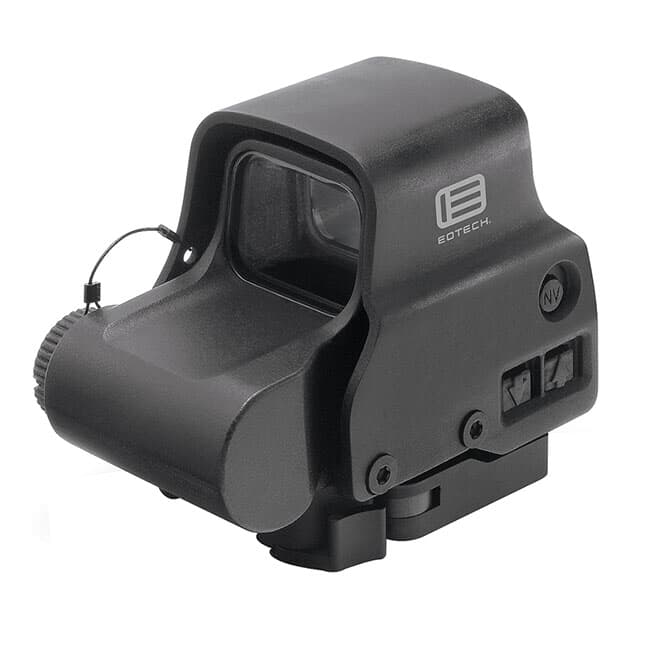
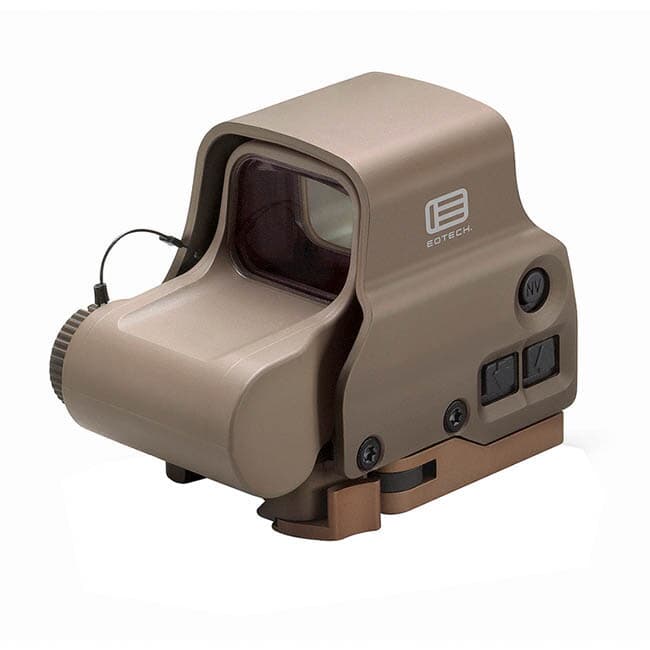
Compare red dot sights and reflex optics for rifles, shotguns, pistols, competition, hunting, and general-purpose setups at EuroOptic. The selection also includes related holographic sights. Use the available brand, product-type, and specification filters to narrow your options, then check each model’s features and mounting requirements.
Choose a Red Dot by Platform and Use Case
Start with the firearm and intended use, then compare the optic’s mounting requirements, dimensions, and controls. Pistol, rifle, and shotgun setups can call for different configurations, but the right choice depends on the specific optic and platform rather than size alone.
Pistols
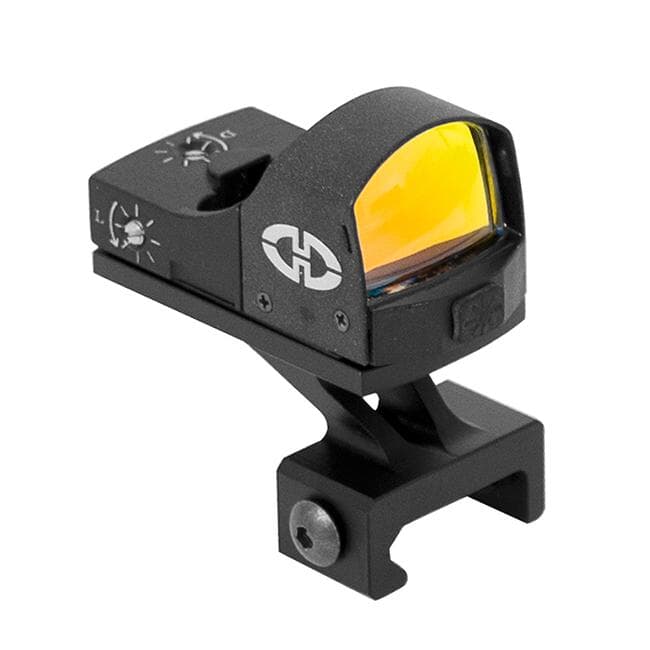
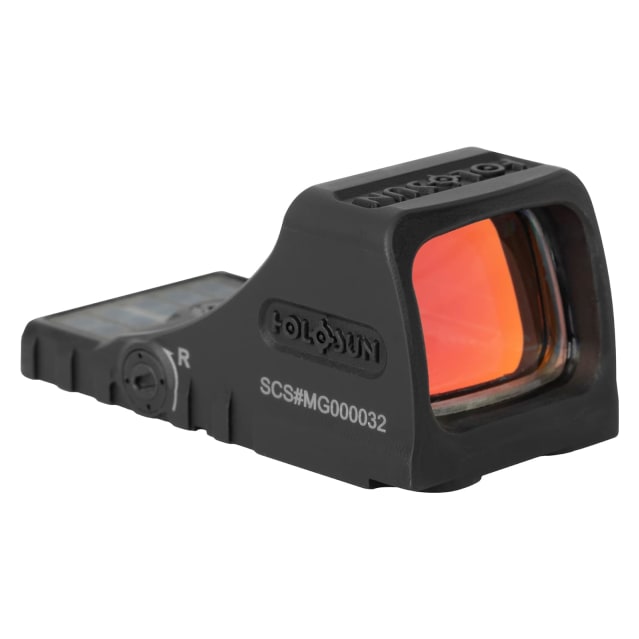
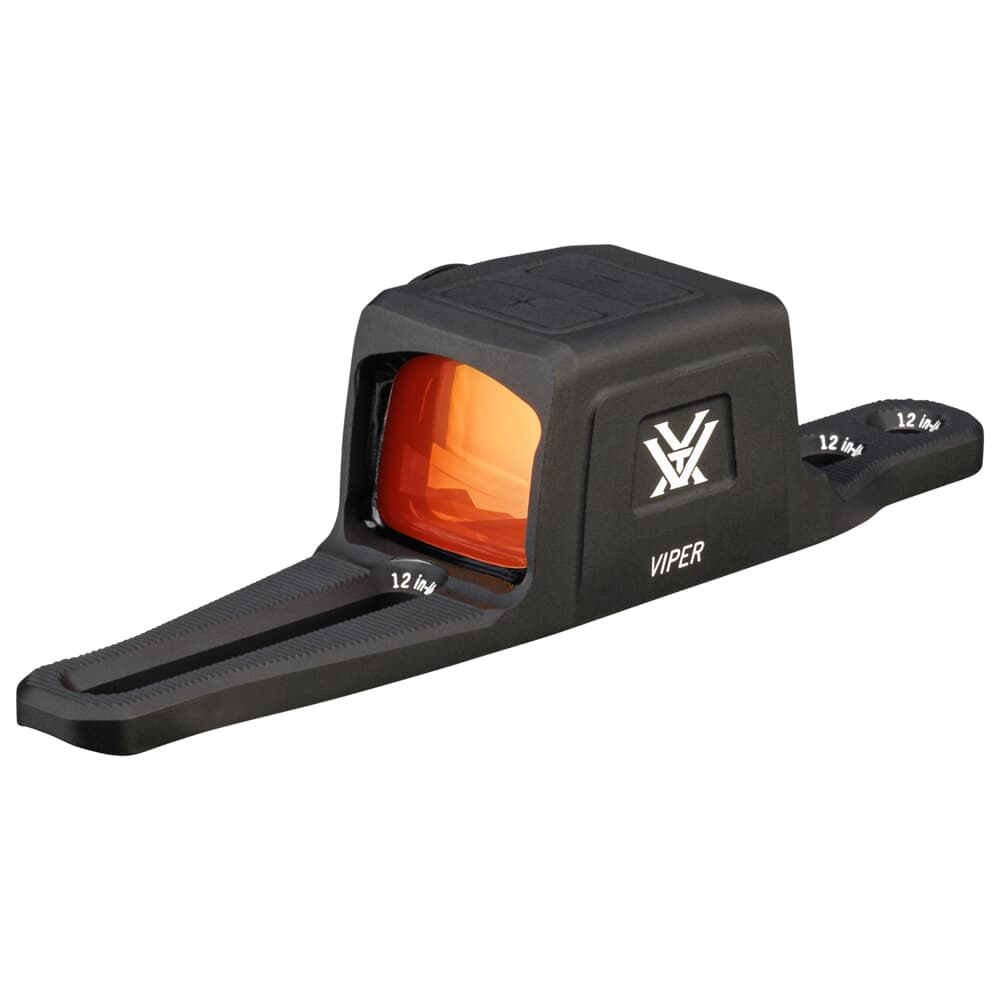
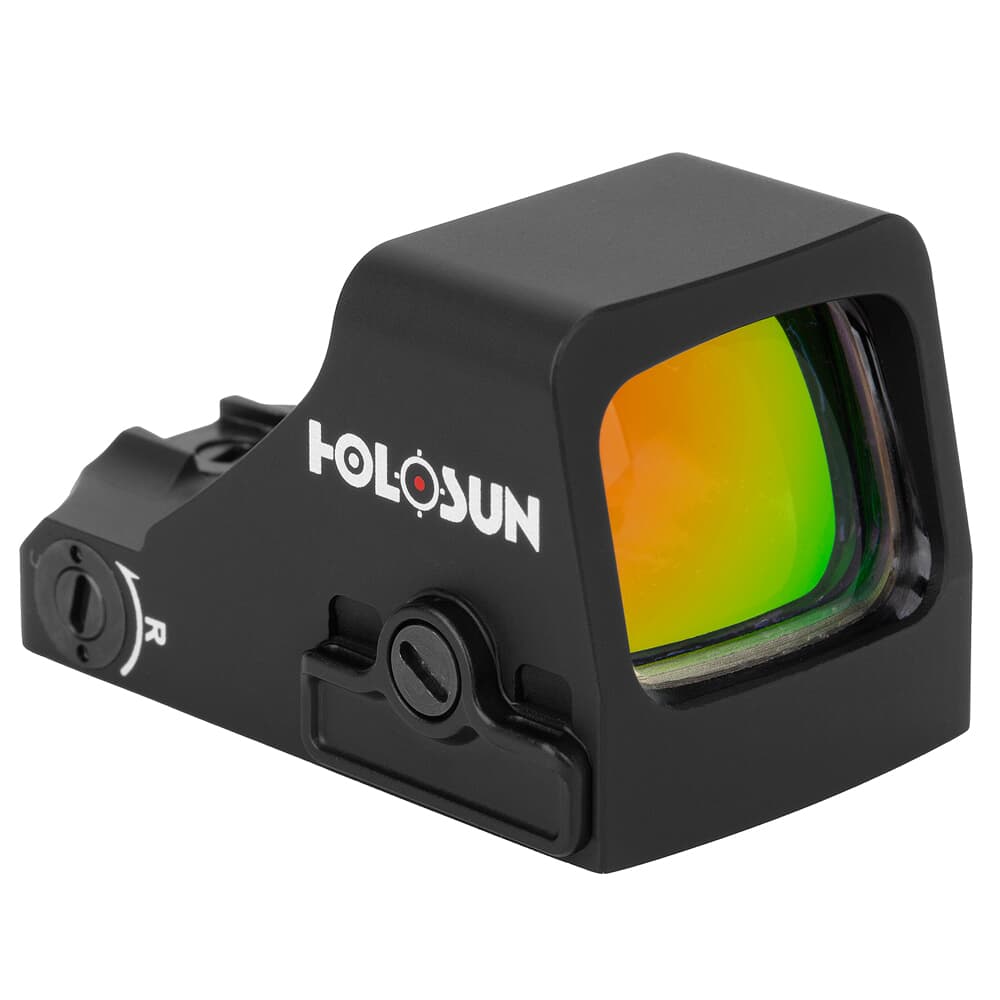
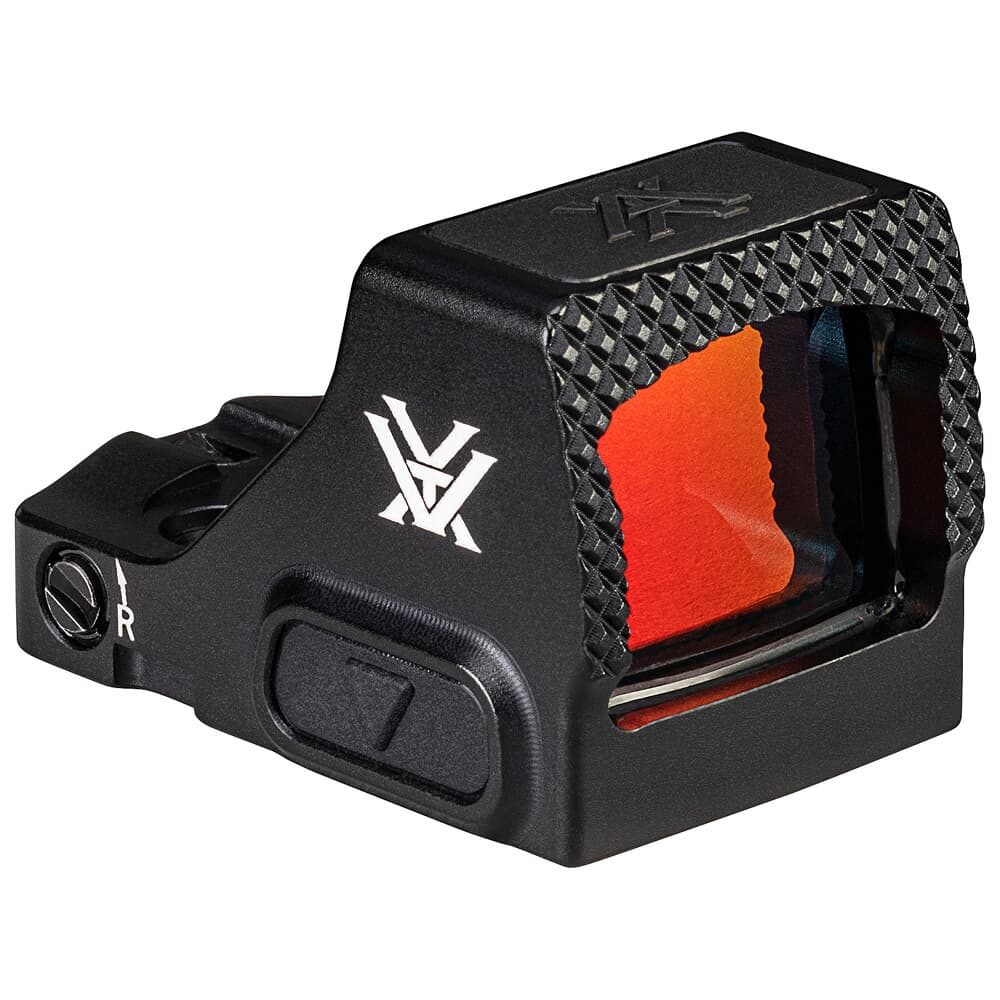
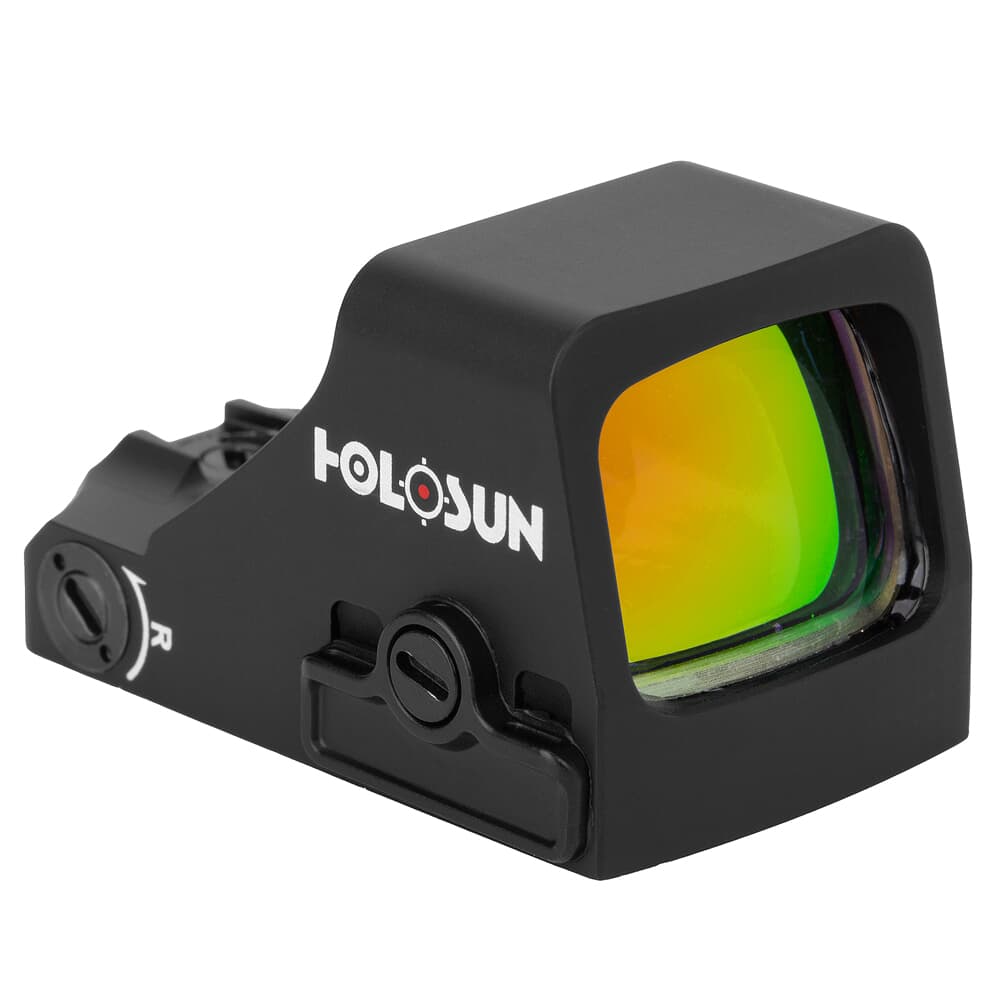
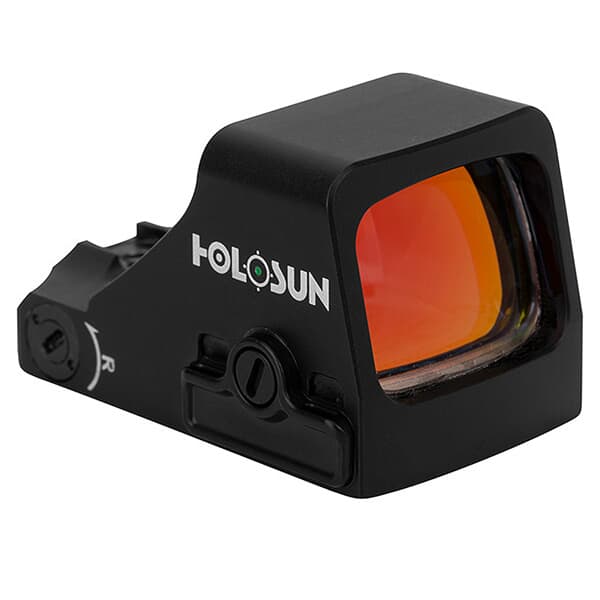
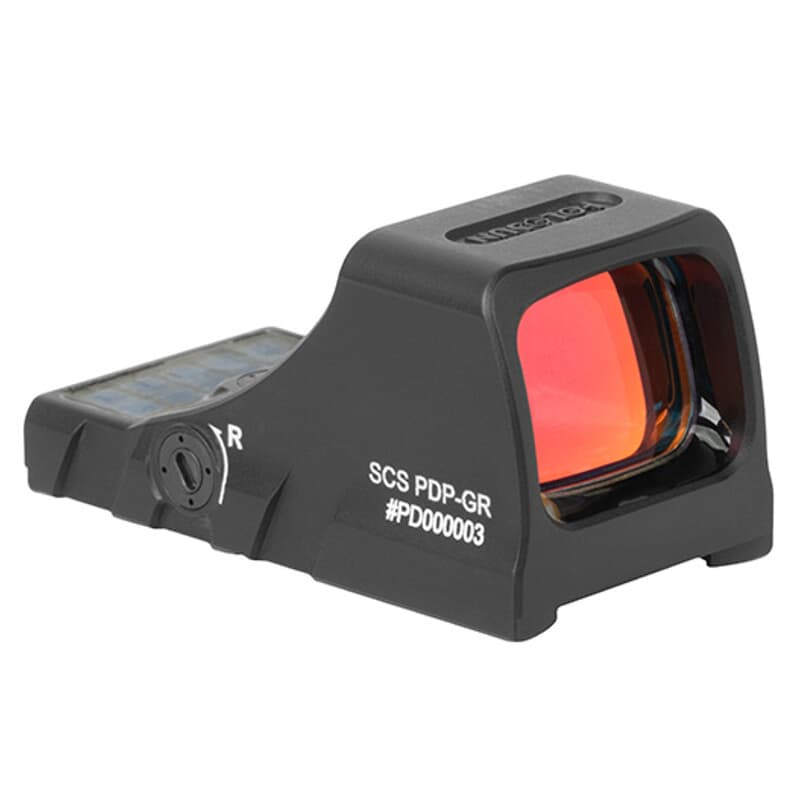
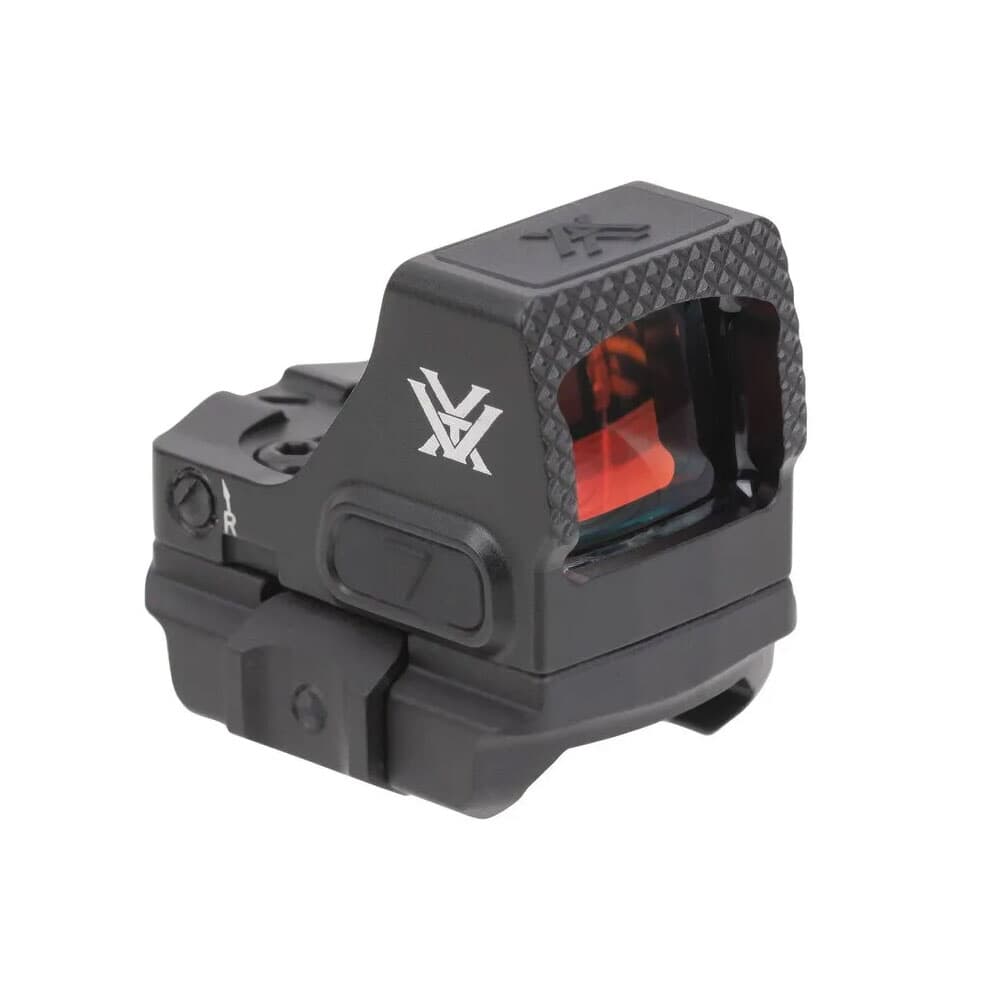
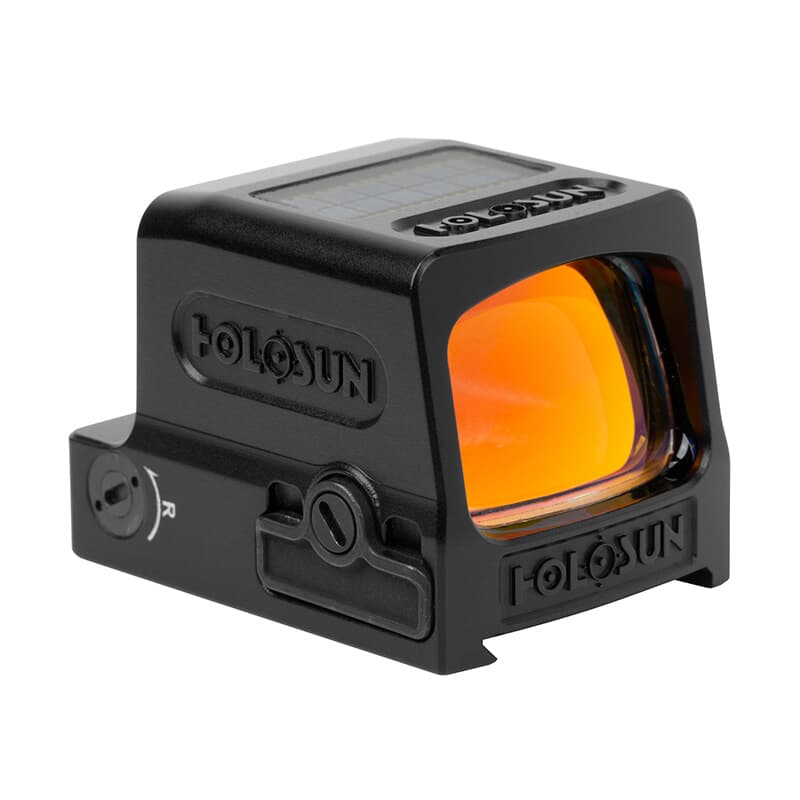
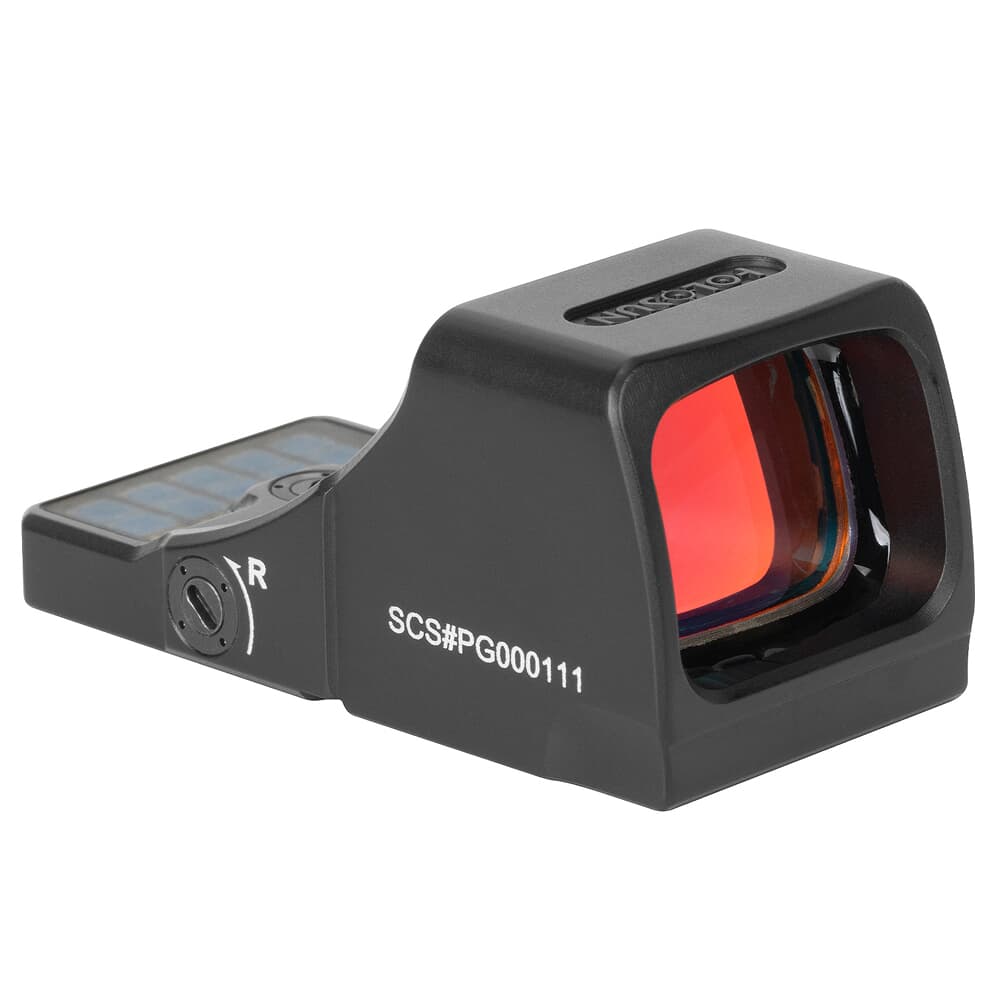
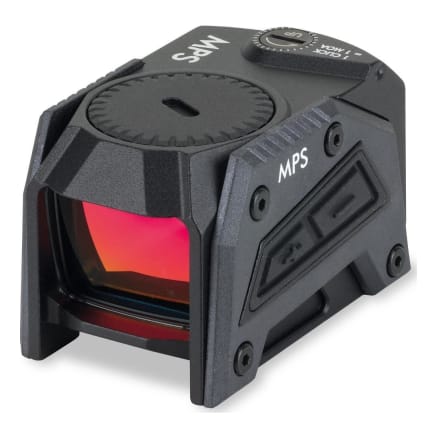
A red dot sight for pistol applications emphasizes compact dimensions and a suitable mounting footprint. Micro-sized optics can provide a compact option, while larger pistol optics offer a larger viewing window and a different feature set.
When comparing reflex sights for a handgun, check the exact optic footprint against the firearm and any required mounting plate. RMR and RMSc are different patterns, and compatibility can depend on more than the footprint name. Confirm a manufacturer-supported combination rather than assuming an adapter will make any optic fit.
Rifles
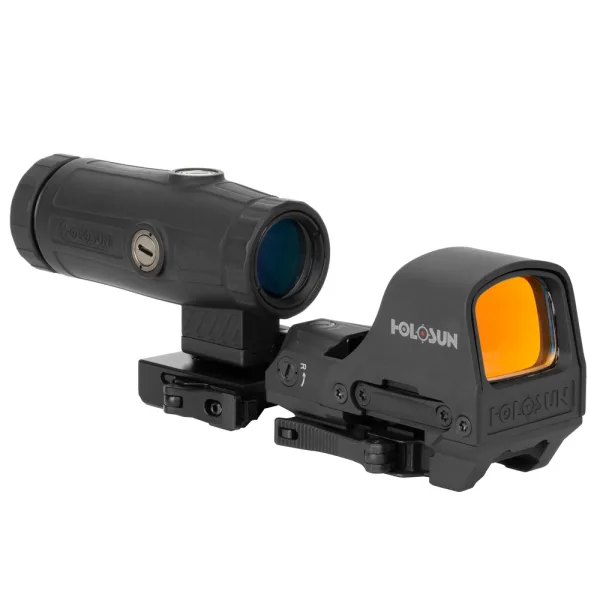
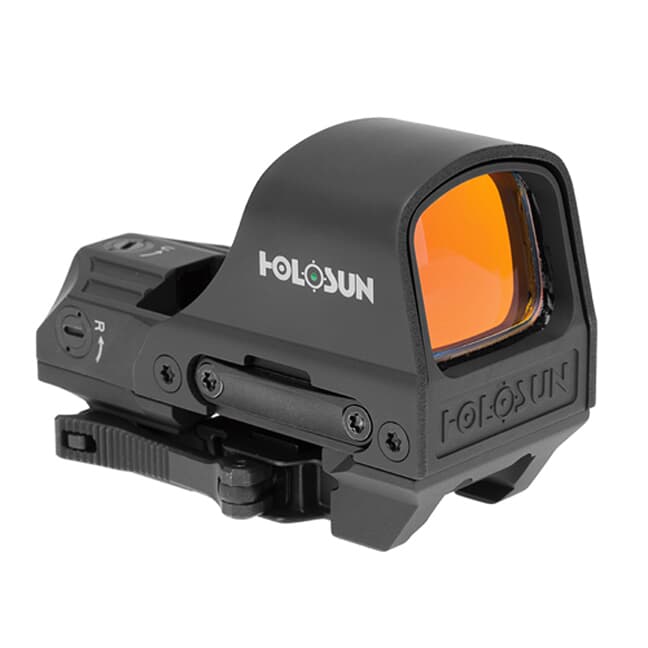
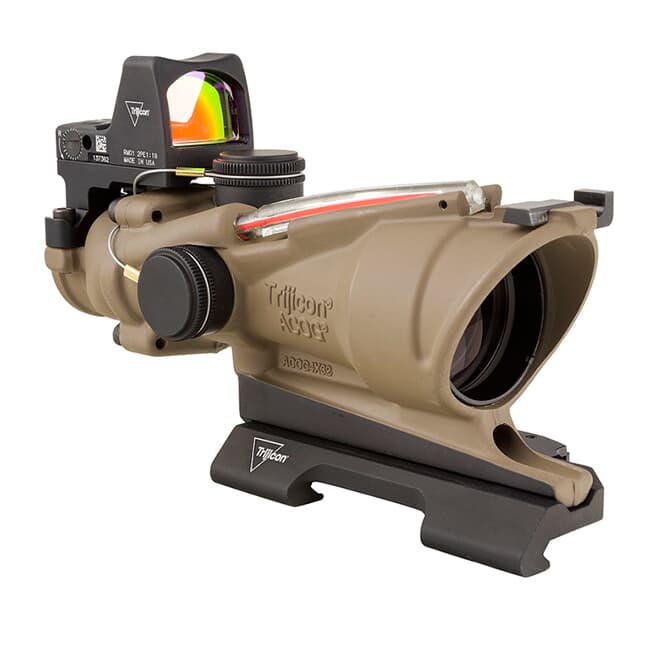
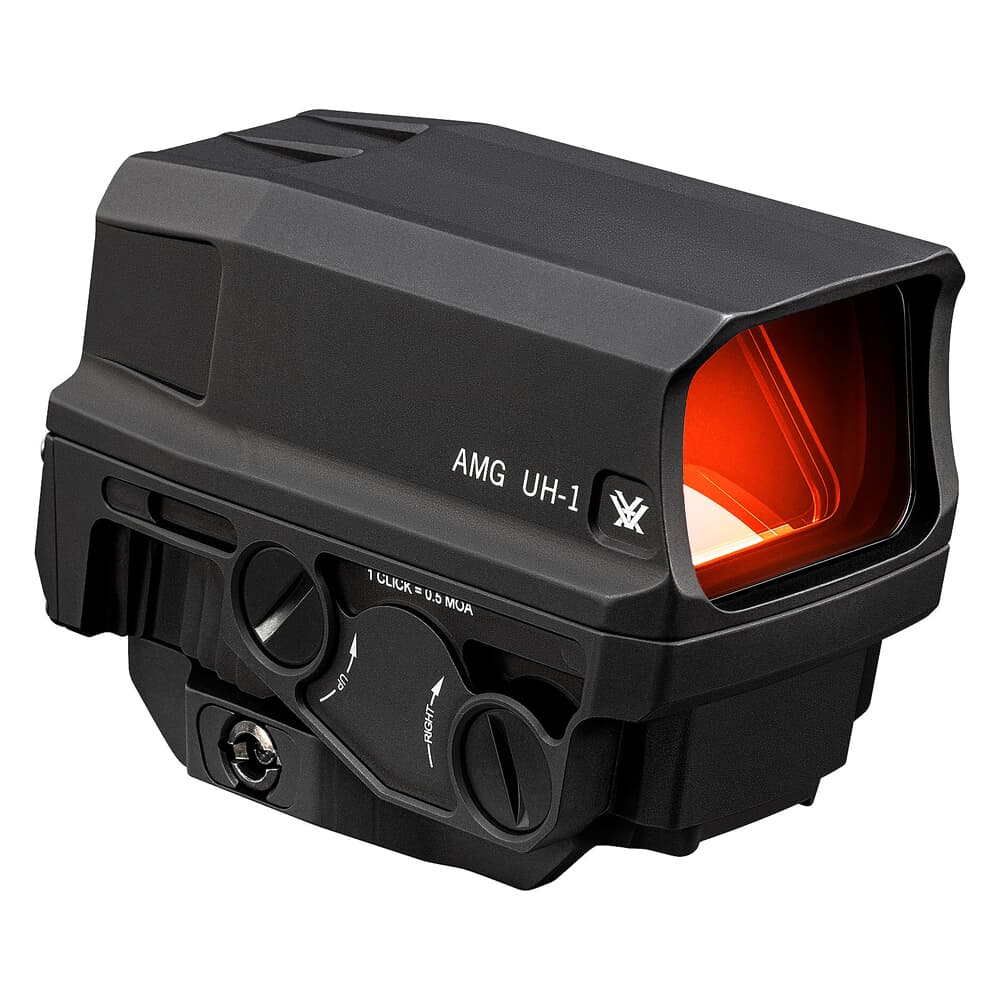
Red dot sights for rifles include compact options and larger designs with different viewing windows and feature sets. Consider how you plan to use the rifle, the distances you’ll be firing from, and whether you want to pair the optic with a magnifier.
Compare viewing-window dimensions separately from overall housing size and weight. A larger window and a lighter package are different priorities, so check the specifications of the models you’re considering rather than assuming one follows from the other.
Shotguns
If you are looking for red dot sights for a shotgun, simplicity is your friend. These optics need to be rugged and stable. You want an optic that allows you to quickly acquire the dot and get rounds on target.
Compare optic dimensions, footprint, mounting requirements, reticle characteristics, battery features, and overall configuration before you order.
Competition
Competition shooters value the finer details of red dot sights, including sight picture, dot characteristics, optic size, controls, and any applicable competition rules. A larger viewing window may be appealing for some competition builds, while others may prioritize a compact package.
Check the rules of the competition circuit you compete in or are interested in before ordering.
Hunting and General-Purpose Use
For hunting, consider the conditions the optic will be exposed to. You should also think about factors like size, weight, reticle design, illumination, battery features, and MOA.
For a general-purpose setup, prioritize confirmed compatibility, usable brightness controls, battery access, and a size and weight that suit the firearm. Personal preference matters after those practical requirements are met.
Compare Optic Design and Key Specs
When shopping for red dot sights, consider some specific variables.
Open Versus Enclosed Emitters
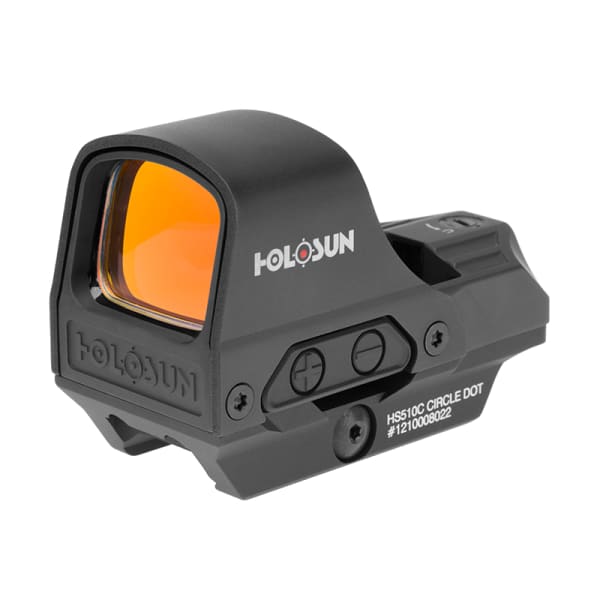
An open-emitter design leaves the emitter’s optical path exposed, while an enclosed-emitter design protects that path within the housing. Compare the specific models’ weather protection, dimensions, weight, and price rather than assuming every enclosed optic is larger, tougher, or more expensive.
Optic Size
Consider the size of the viewing window. A larger viewing window makes it easier to acquire your dot and get rounds on target quickly. A smaller optic size is vital for sub-compact and micro pistols.
Dot and Reticle Size
The dot or reticle size is described in minutes of angle (MOA). A higher MOA value describes a larger aiming dot or reticle element, not a physically larger optic.
Footprint and Mounting Requirements
Compare the optic’s footprint and mounting requirements with your firearm’s specifications. When browsing red dot mounts, verify the exact optic and platform compatibility rather than assuming that a matching footprint or an available adapter guarantees fit.
Battery and Power Features
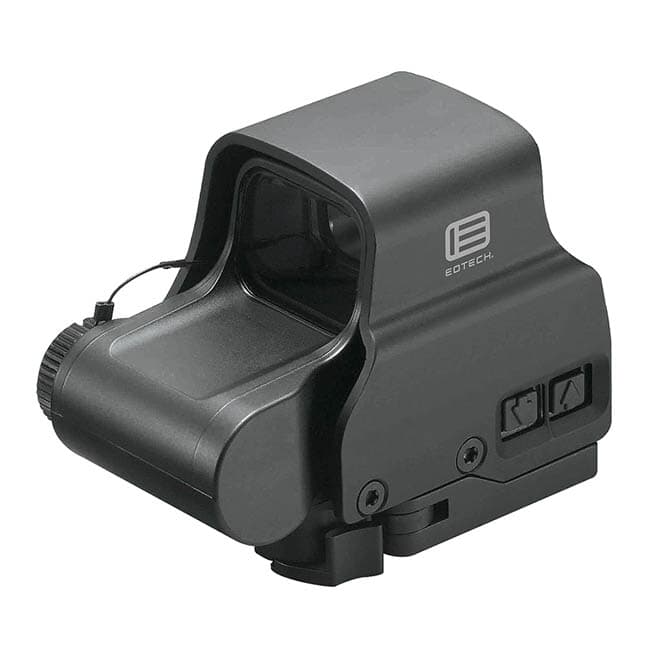
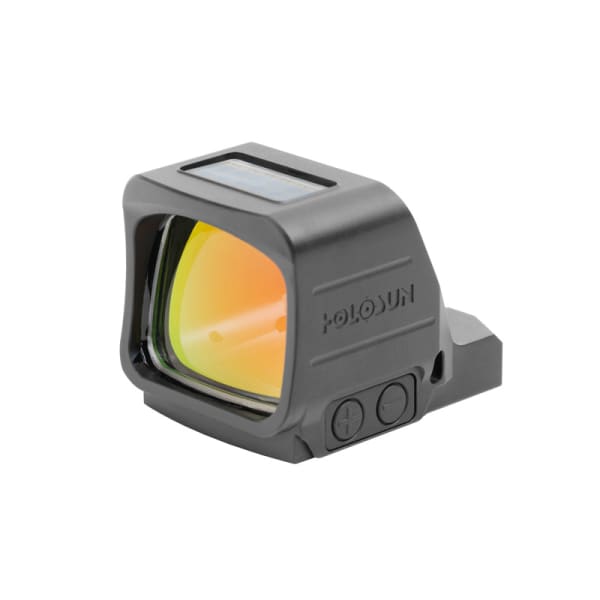
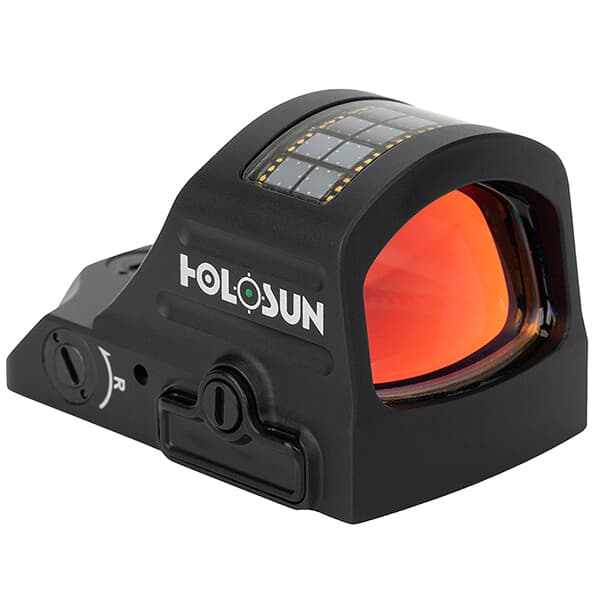
Compare battery type, battery access, stated runtime, and available power-saving features. Motion-activated illumination can reactivate a reticle when the optic senses movement after inactivity. Solar-assisted features vary by model and available light, so check the manufacturer’s operating conditions rather than assuming the optic will work without battery power in every situation.
Magnifier Compatibility
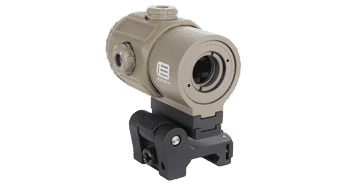
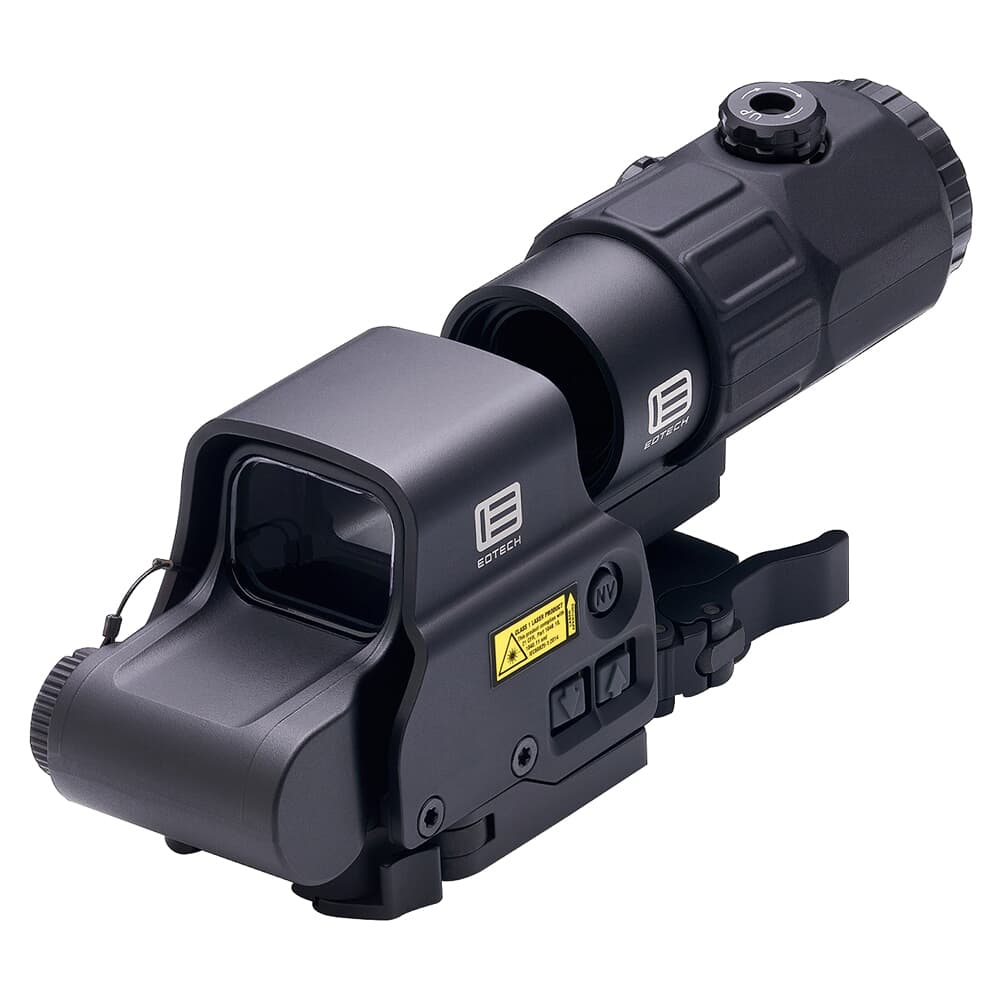
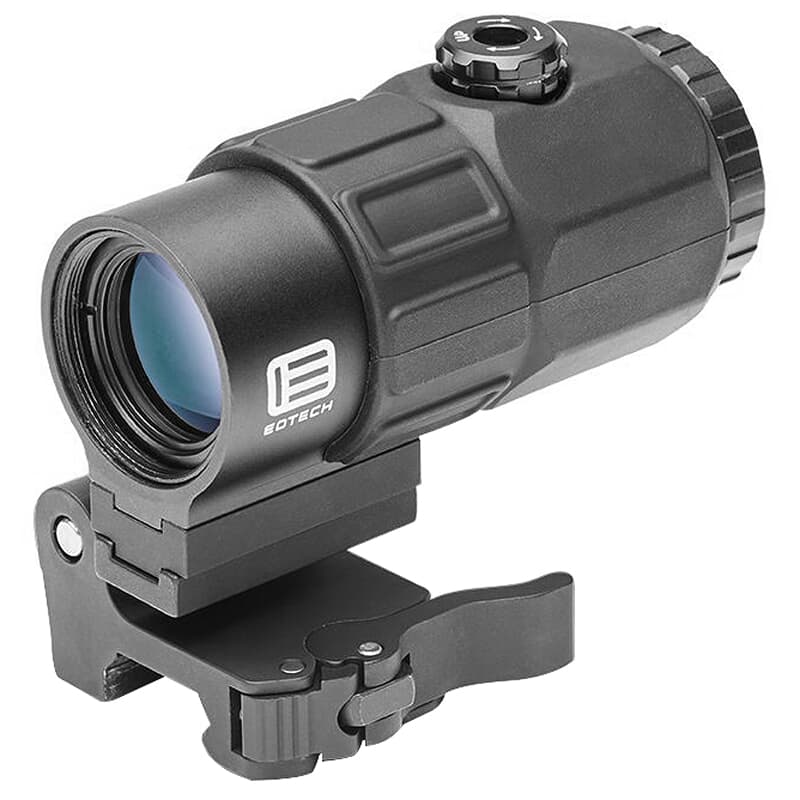
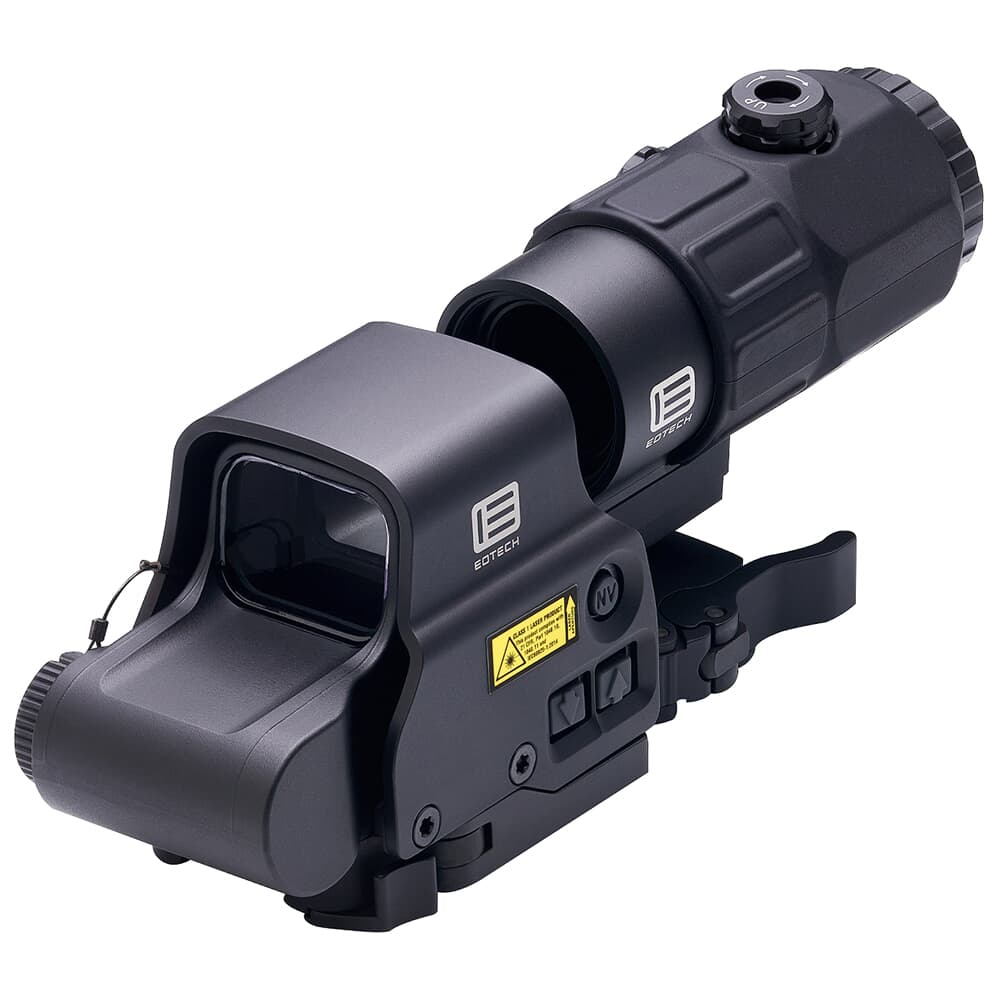
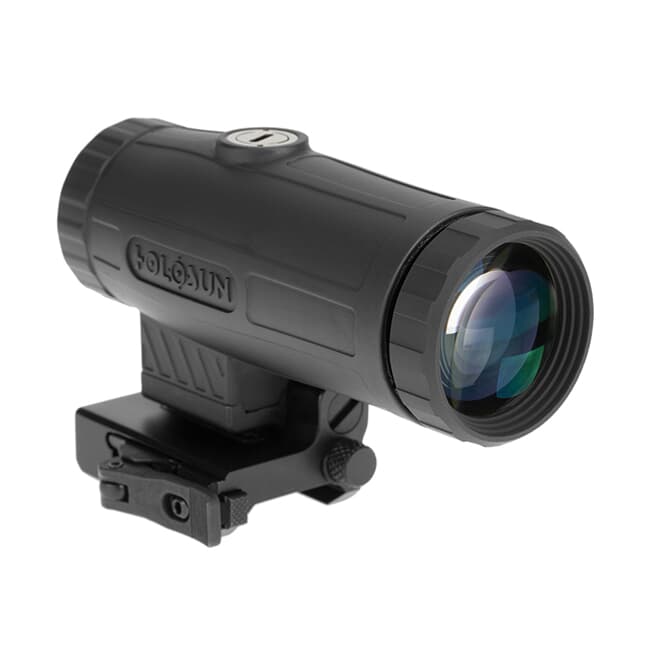
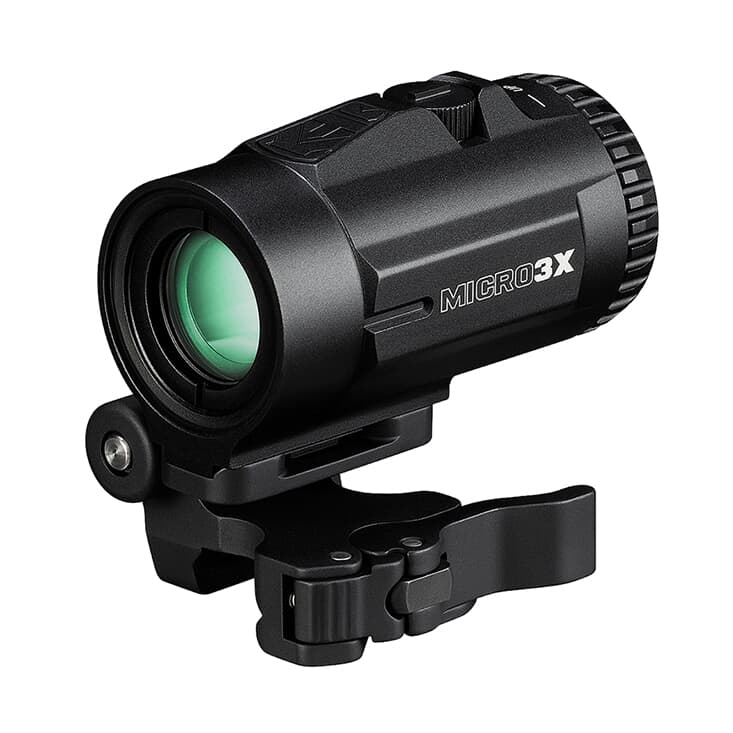
When comparing red dot magnifiers, check compatibility with the specific sight and mounting configuration. A manufacturer-matched combination can simplify comparison, but confirm the included components and requirements before ordering.
Compare Brands and Product Families
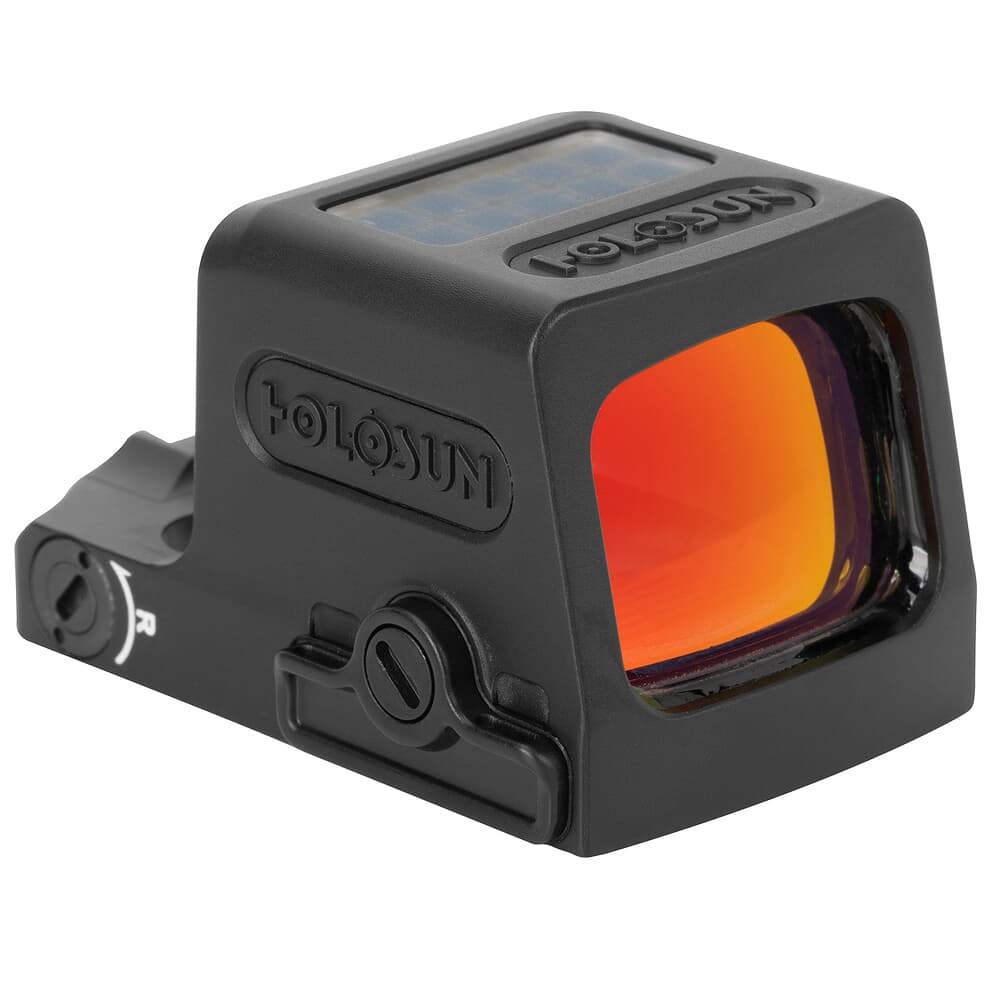
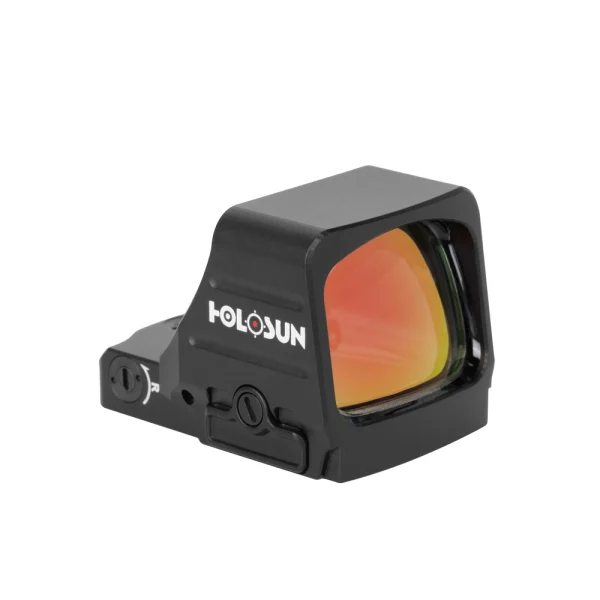
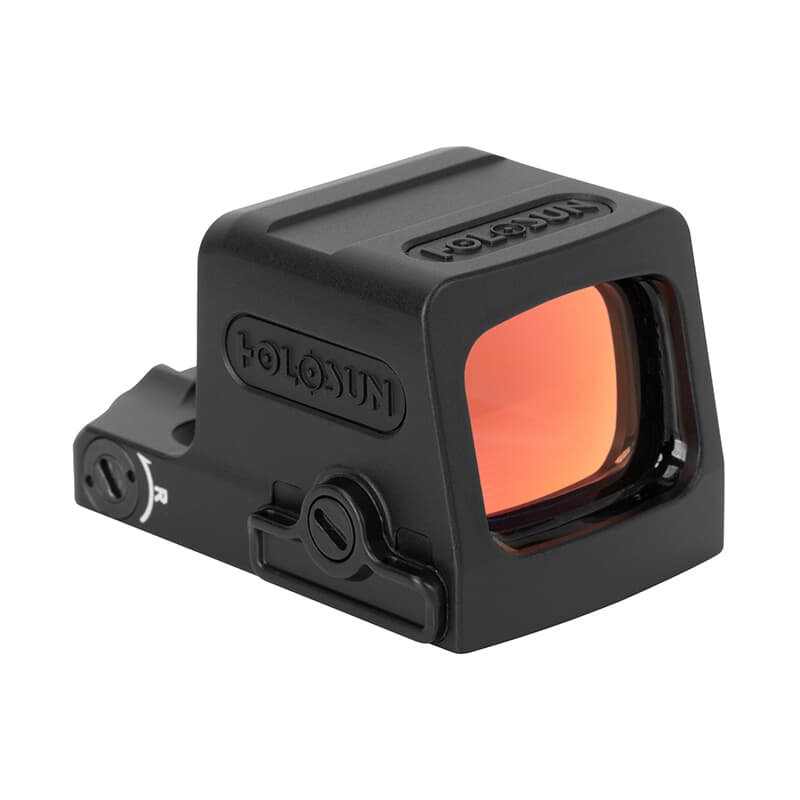
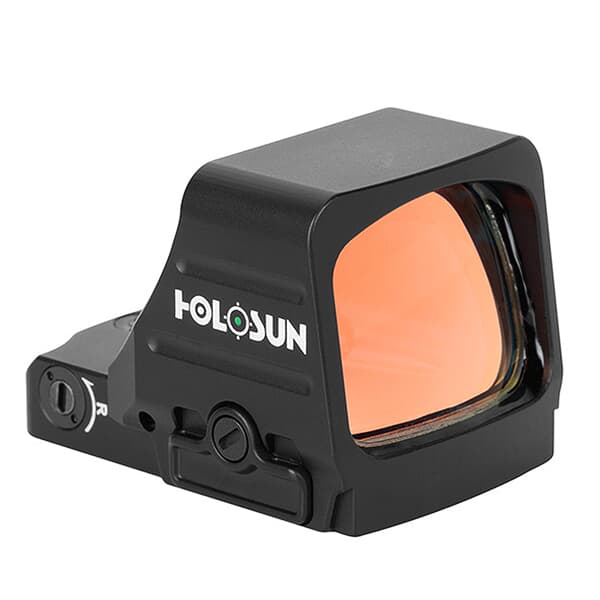
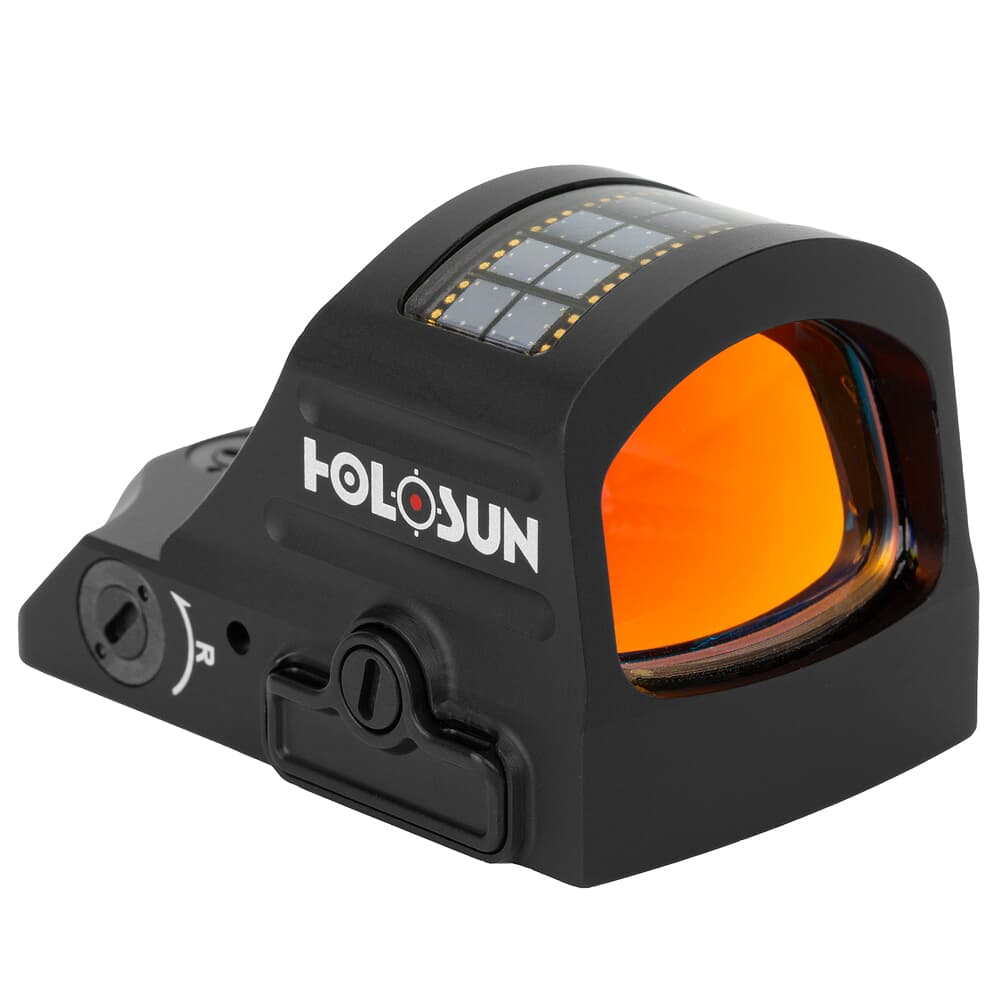
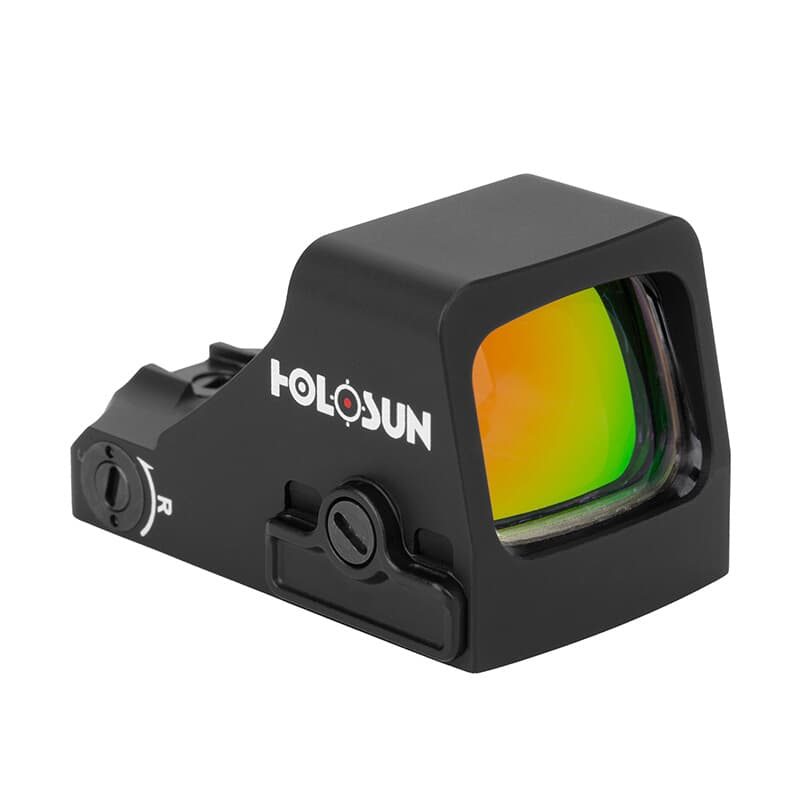
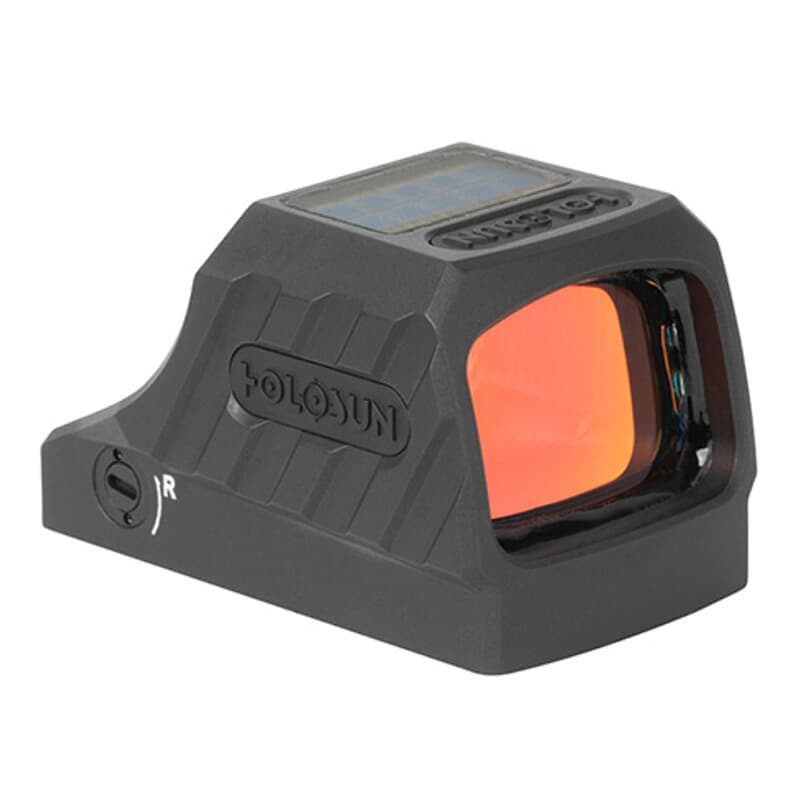
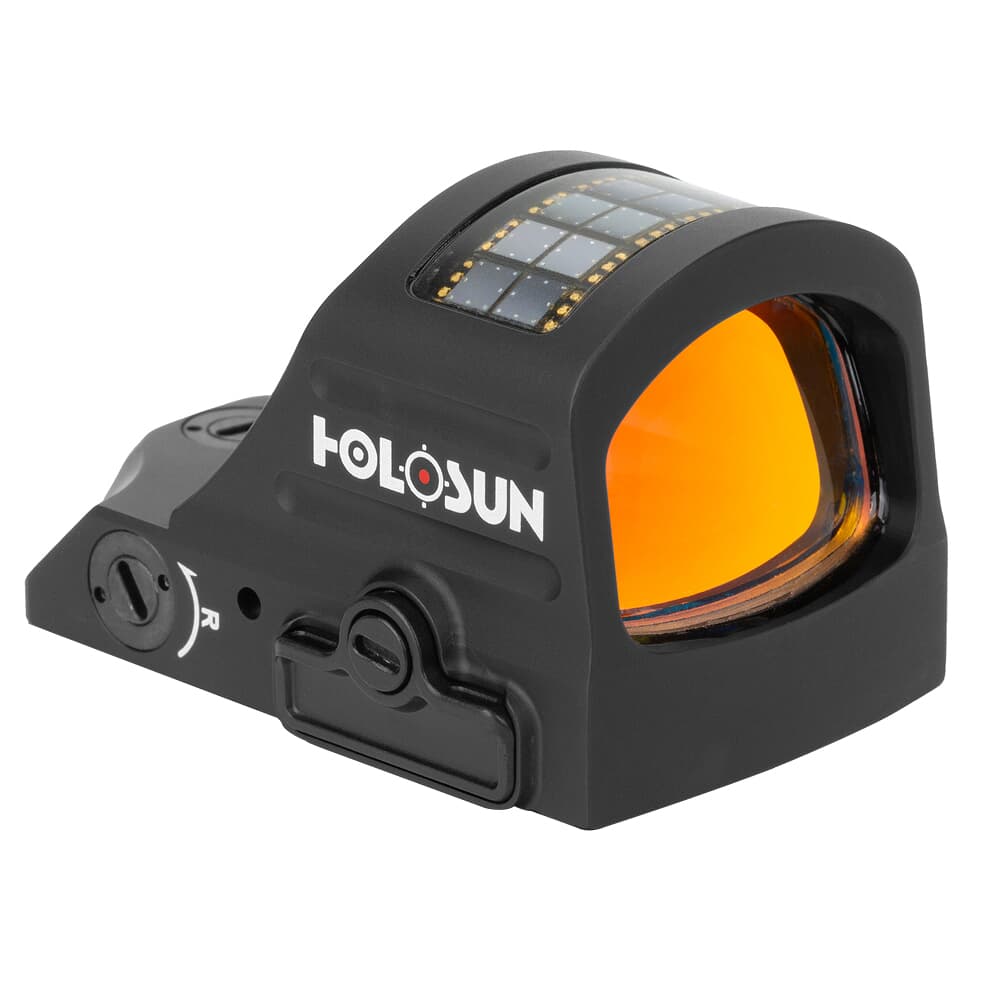
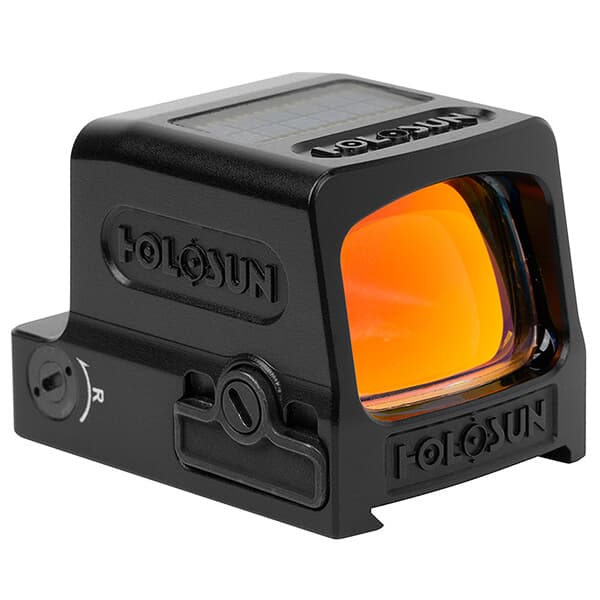
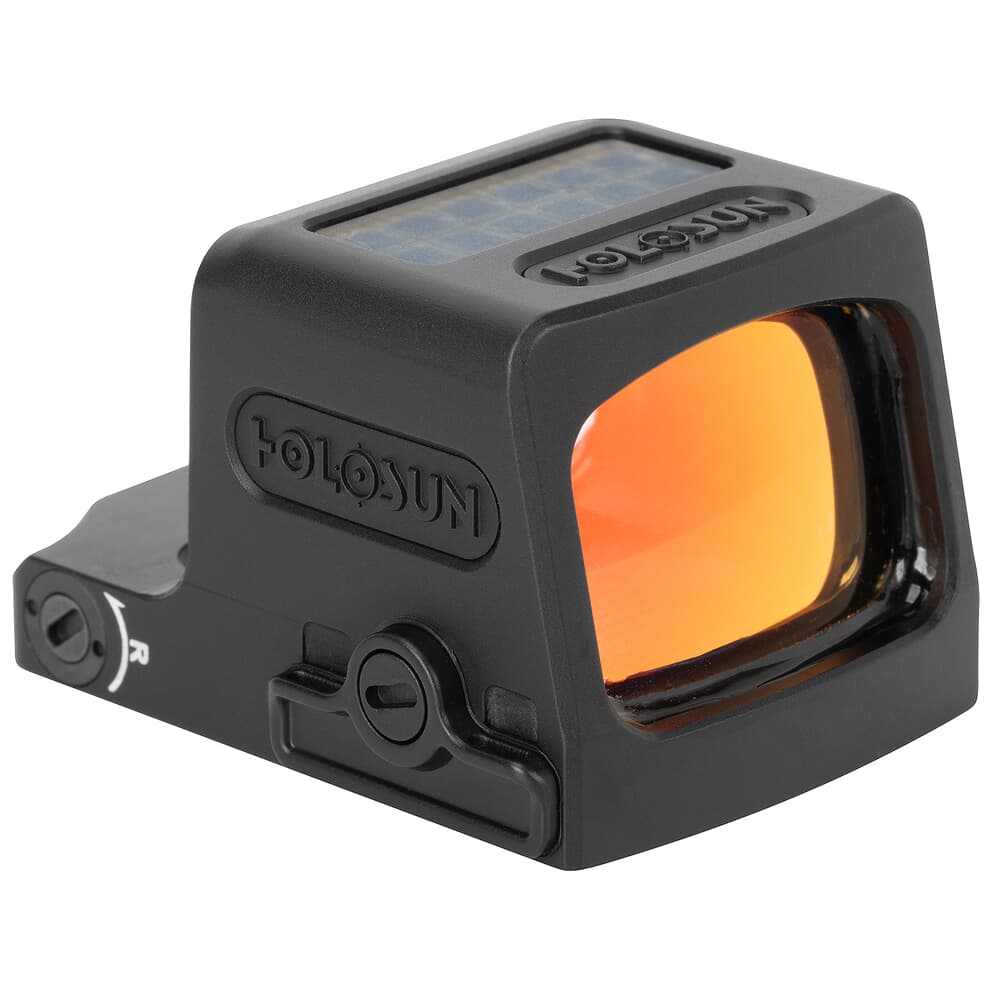
Compare Holosun optics by emitter design, reticle options, and power features. Explore Aimpoint optics for additional red dot families and related accessories.
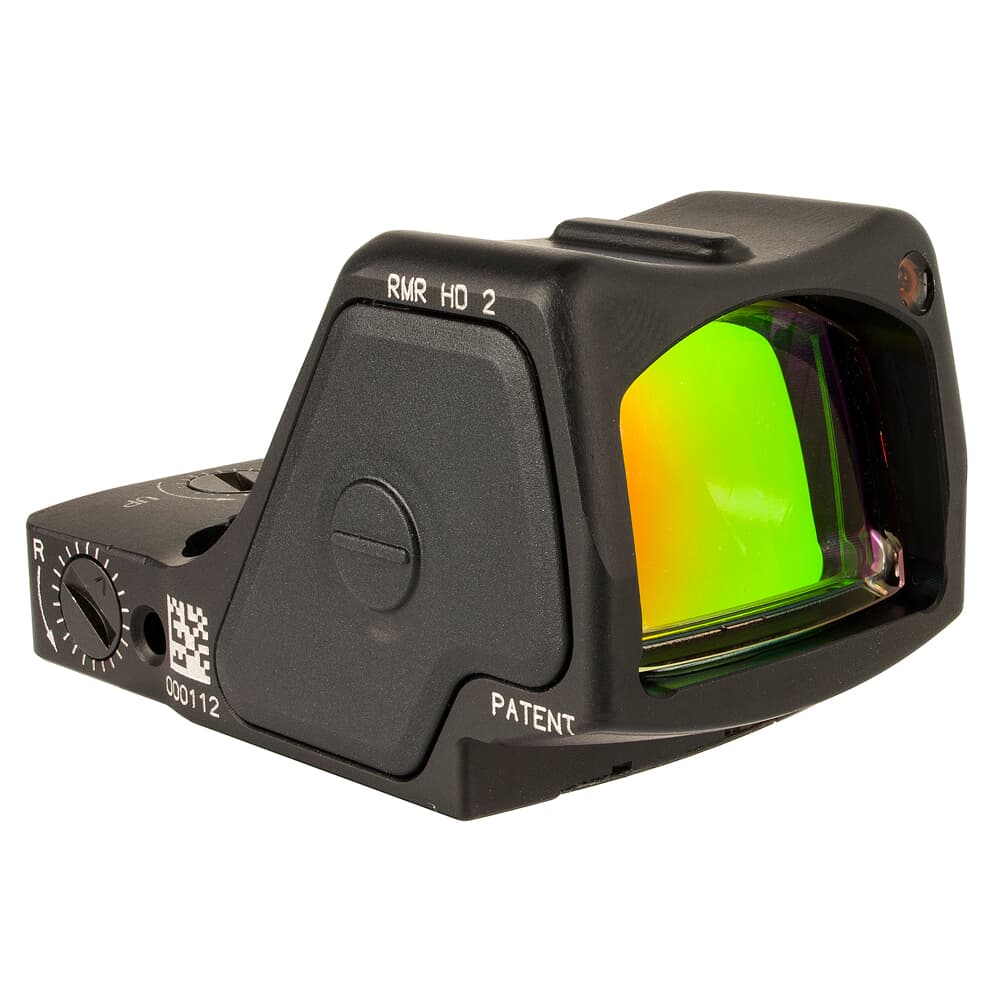
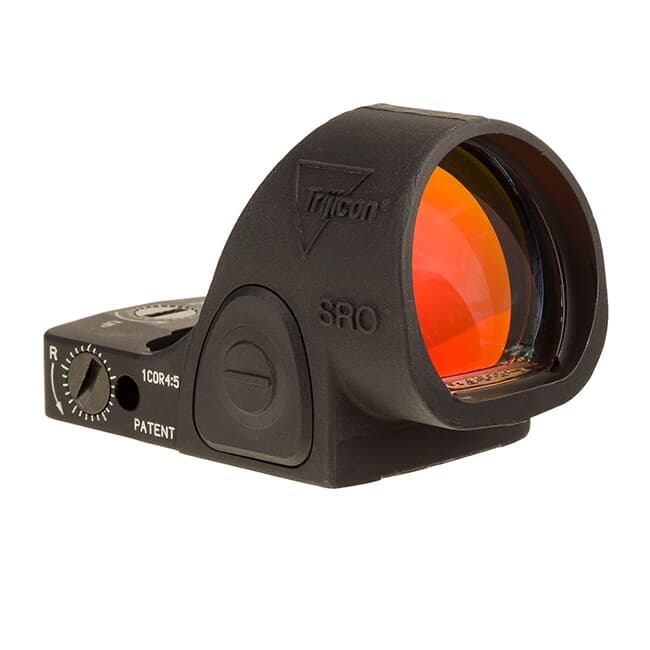
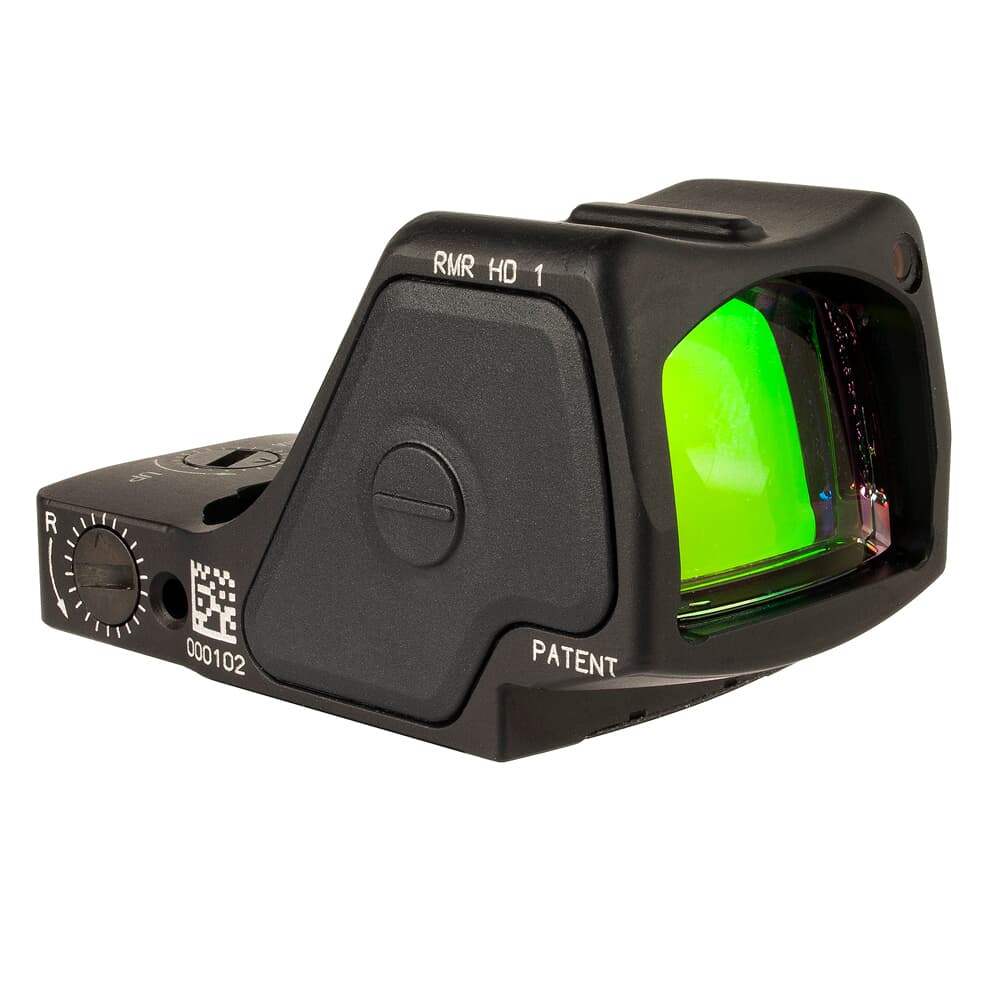
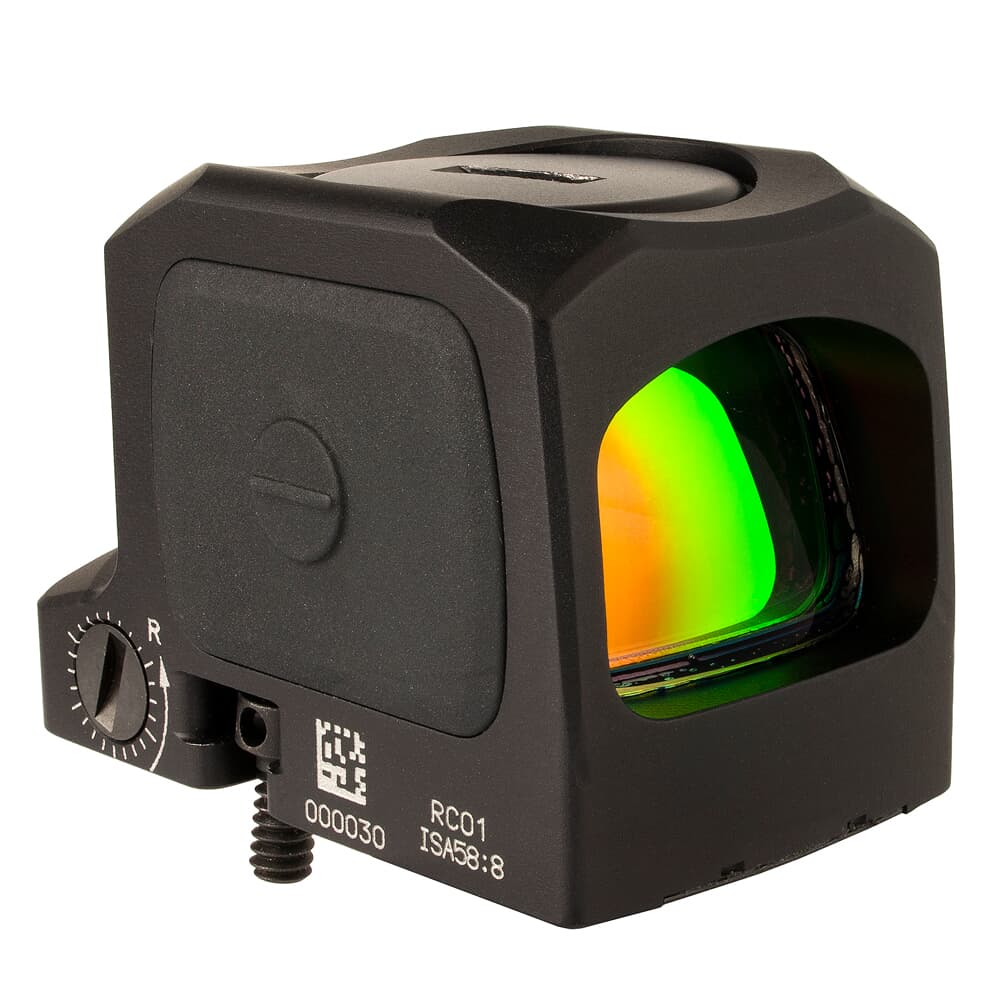
For focused Trijicon comparisons, explore Trijicon RMR HD sights and Trijicon SRO sights rather than treating the two families as interchangeable.
Use those dedicated selections to compare model-specific details, or contact our team for help confirming the right sight and mounting requirements before ordering.