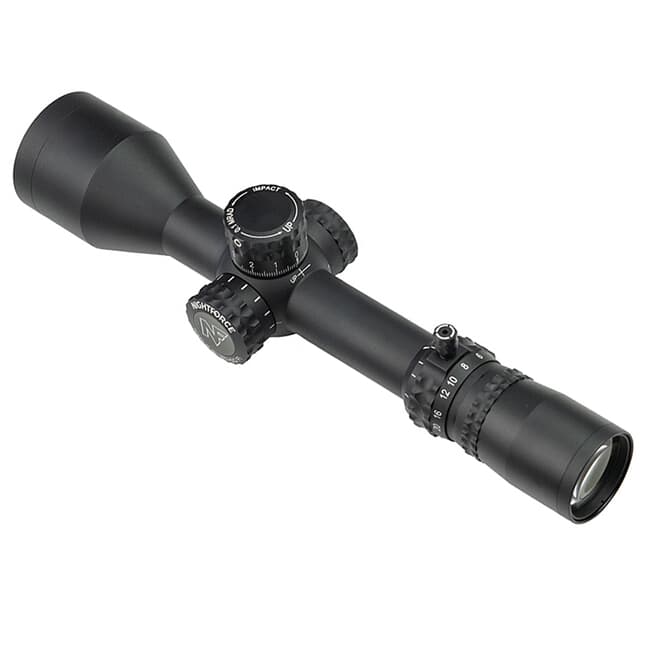
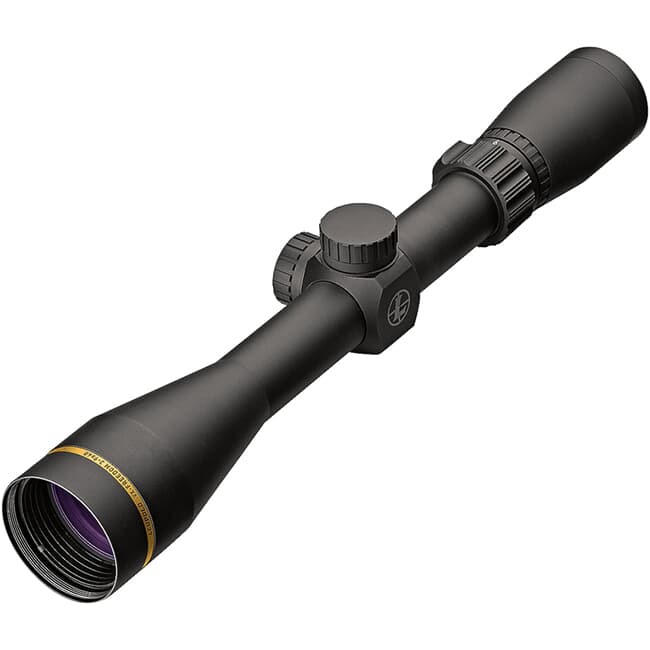
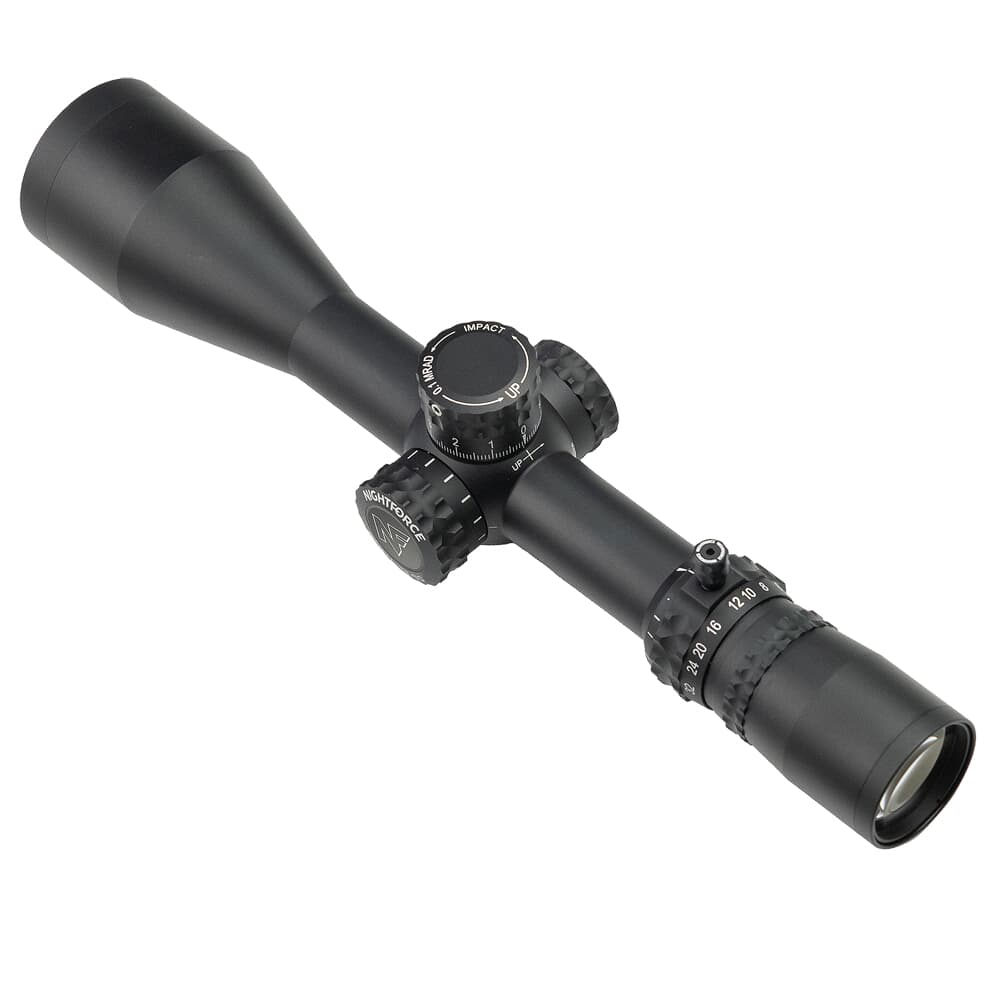
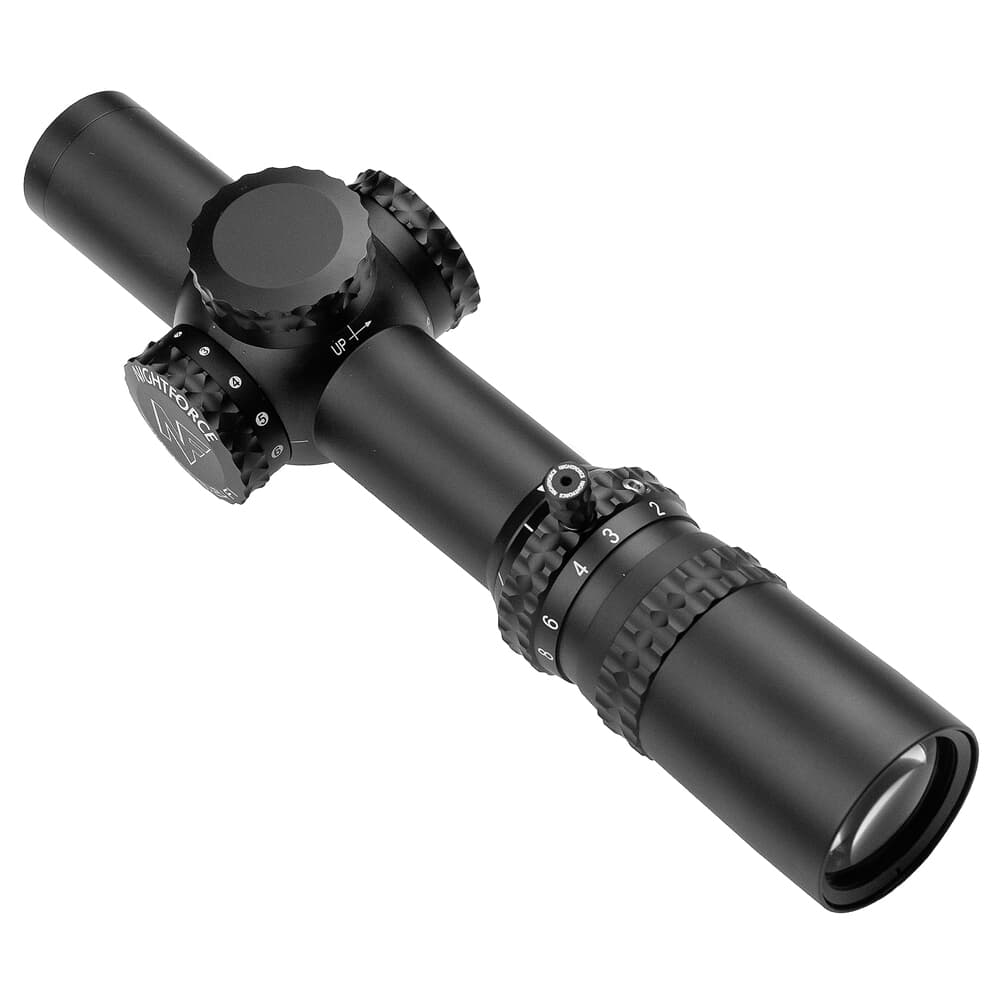
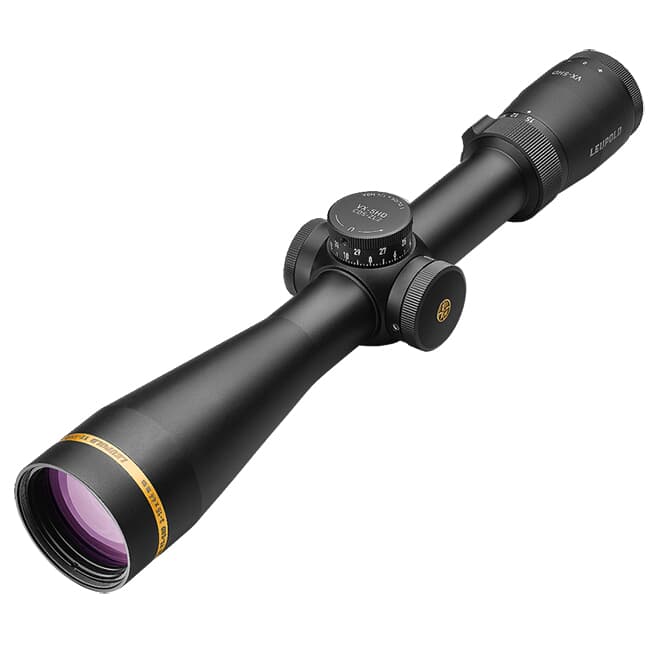
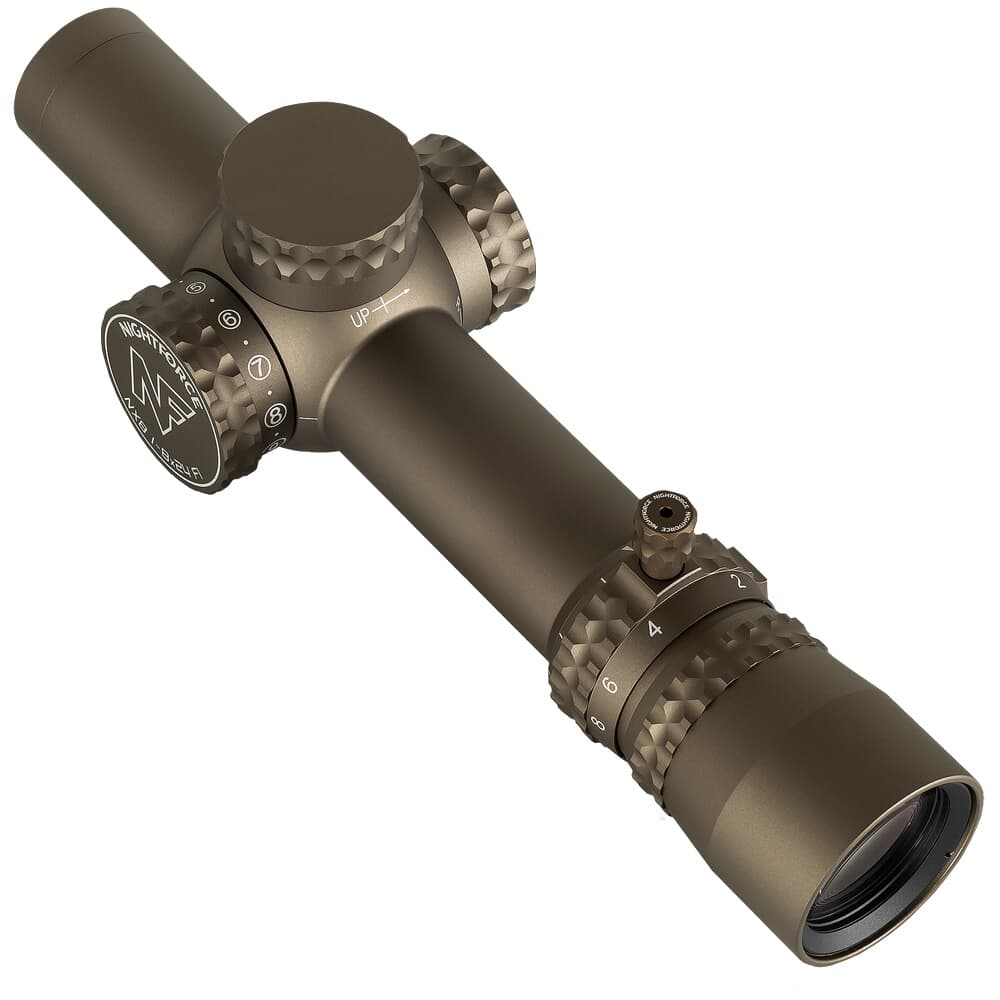
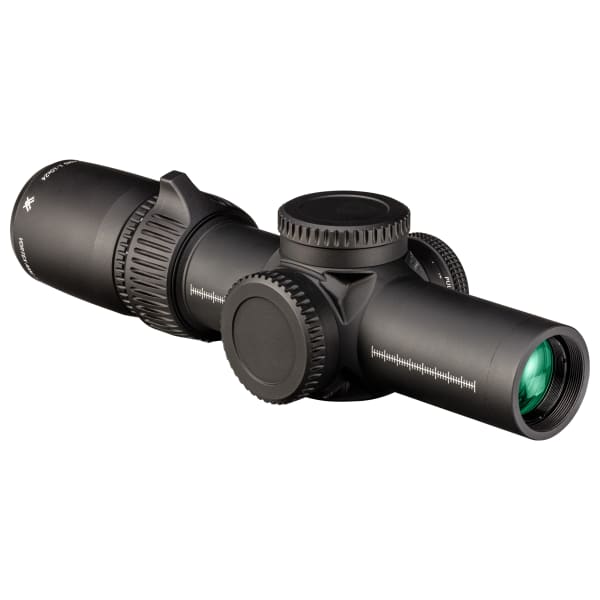
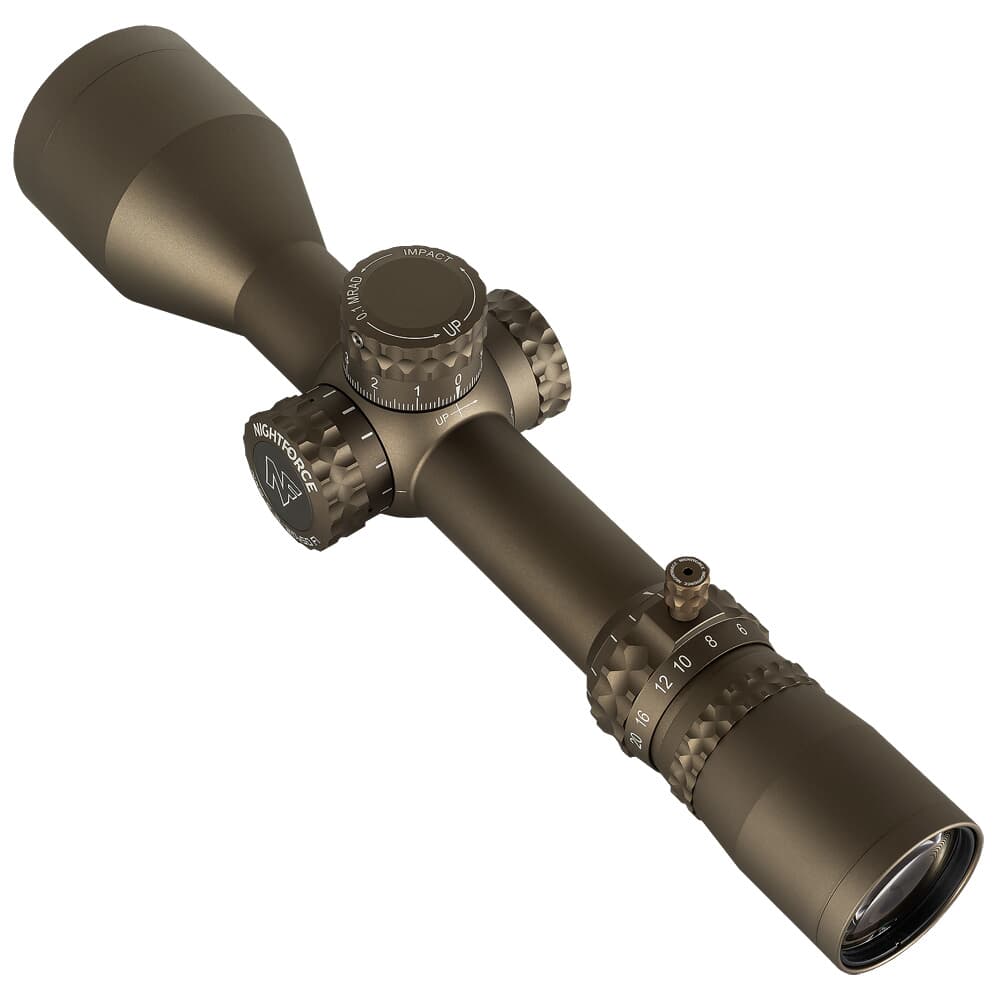
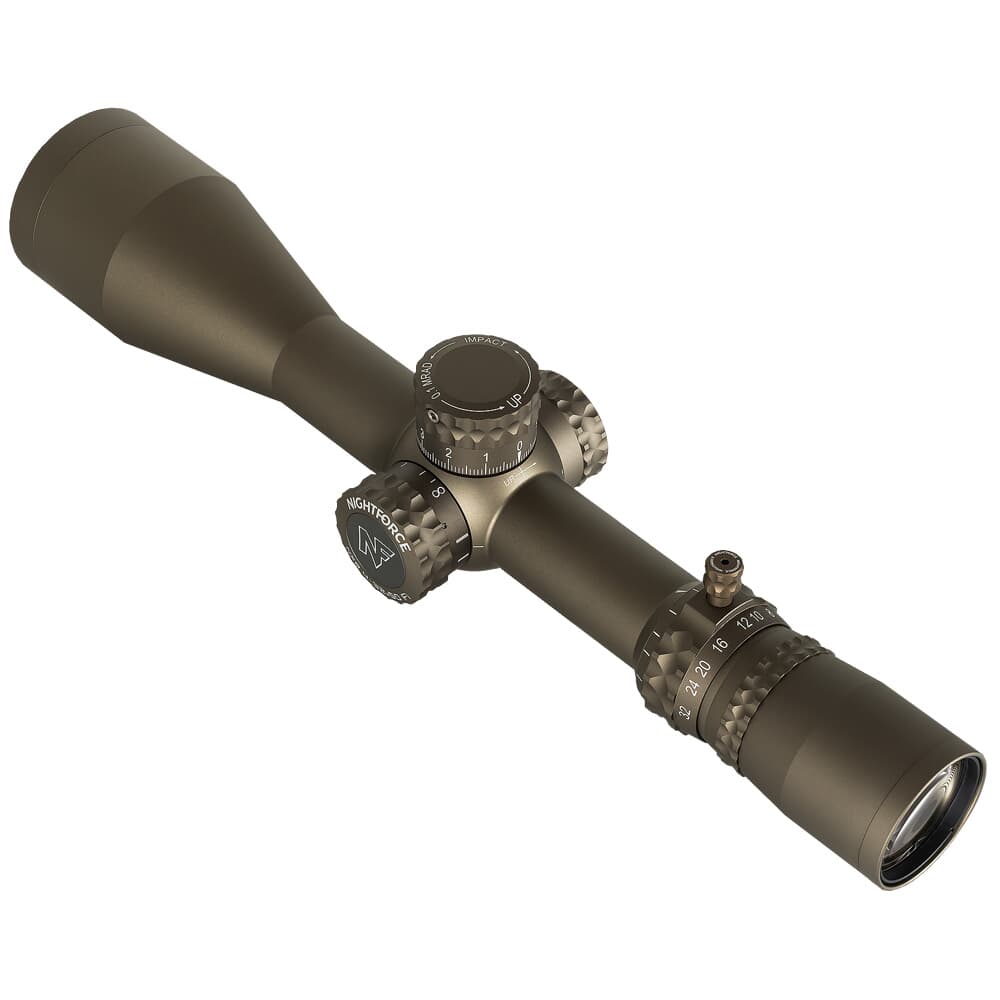
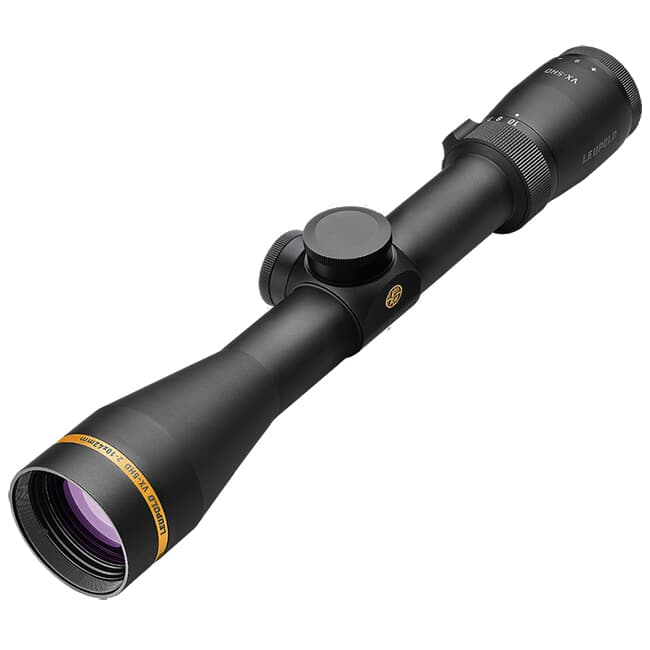
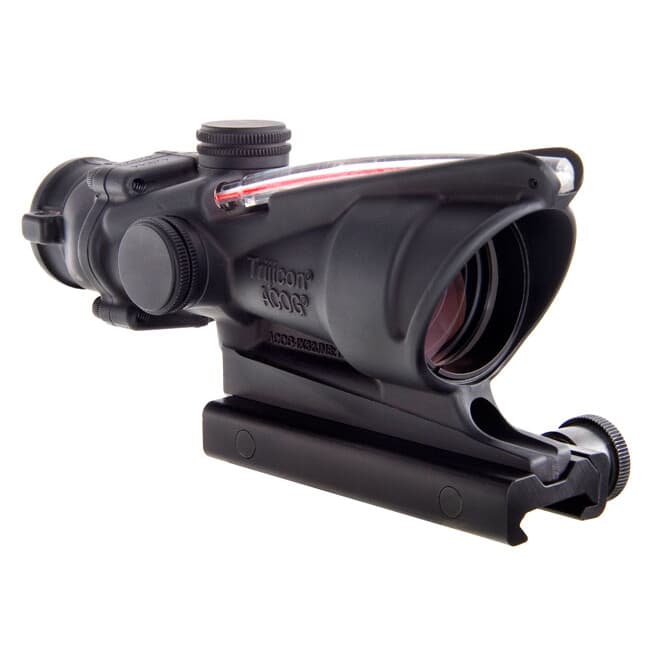
Rifle Scopes
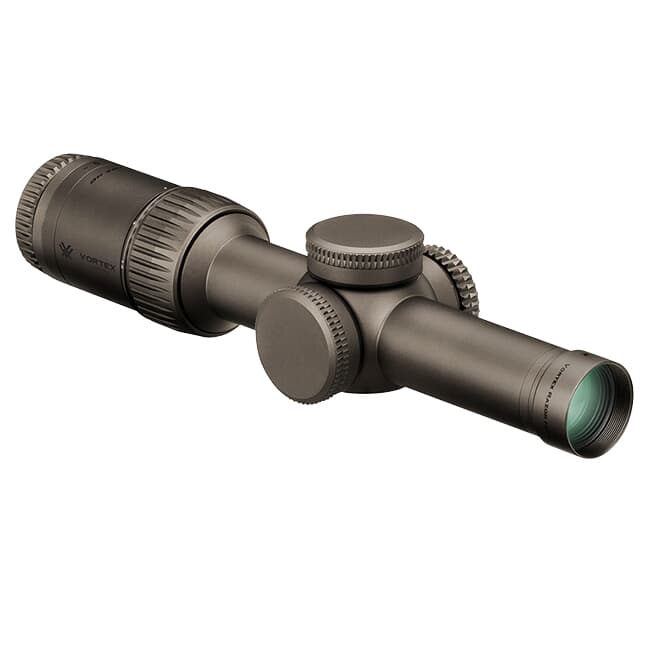
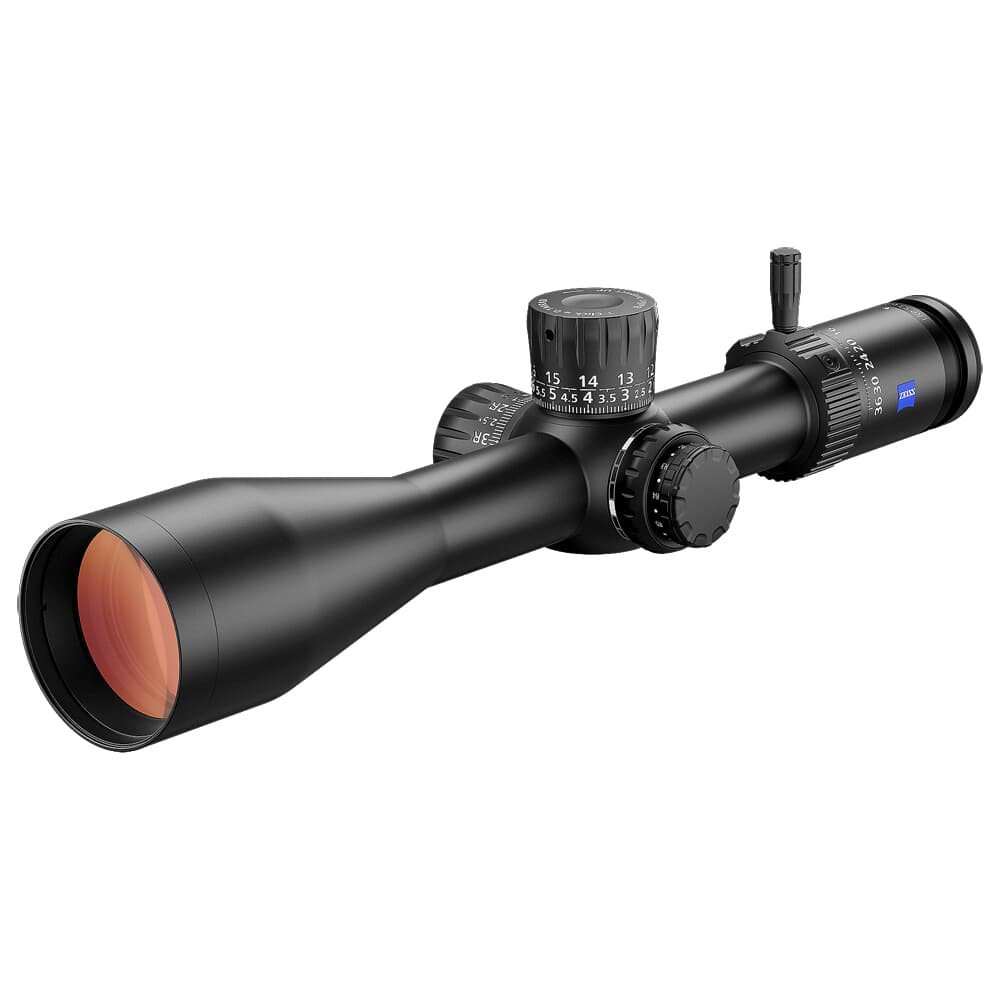
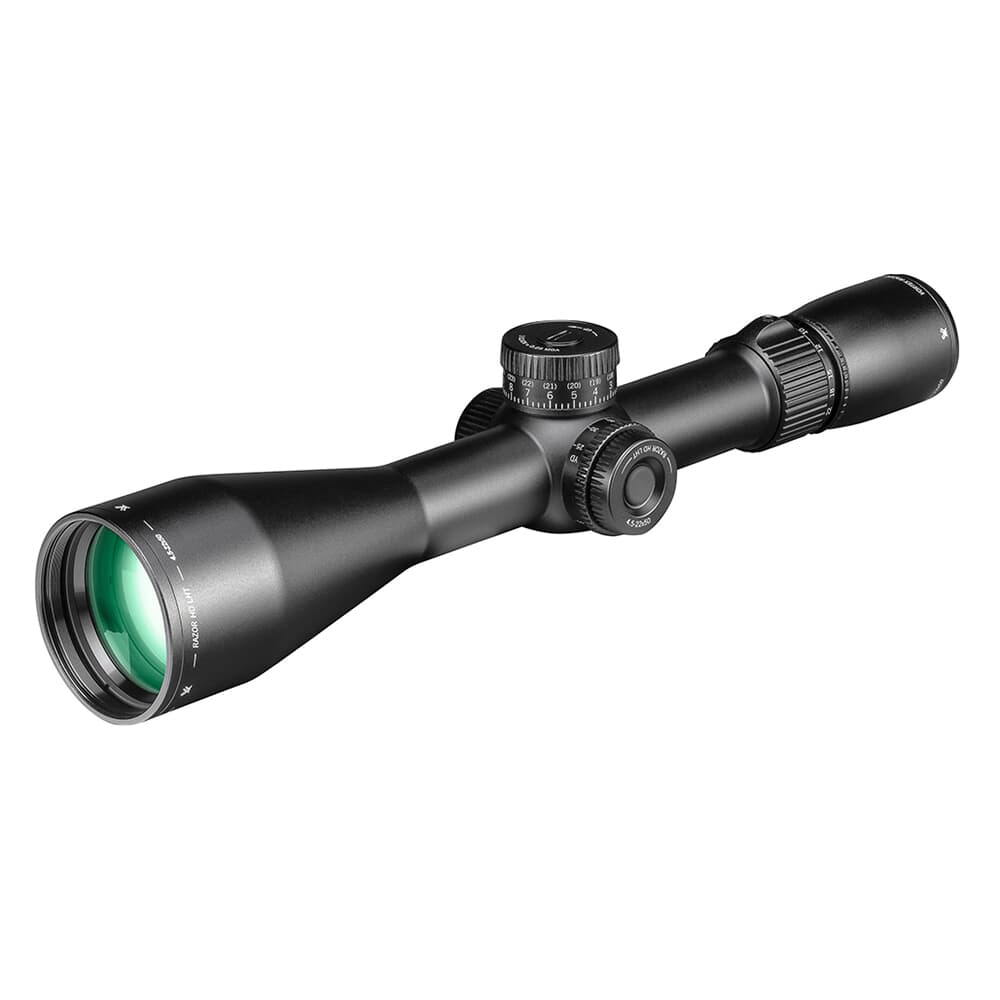
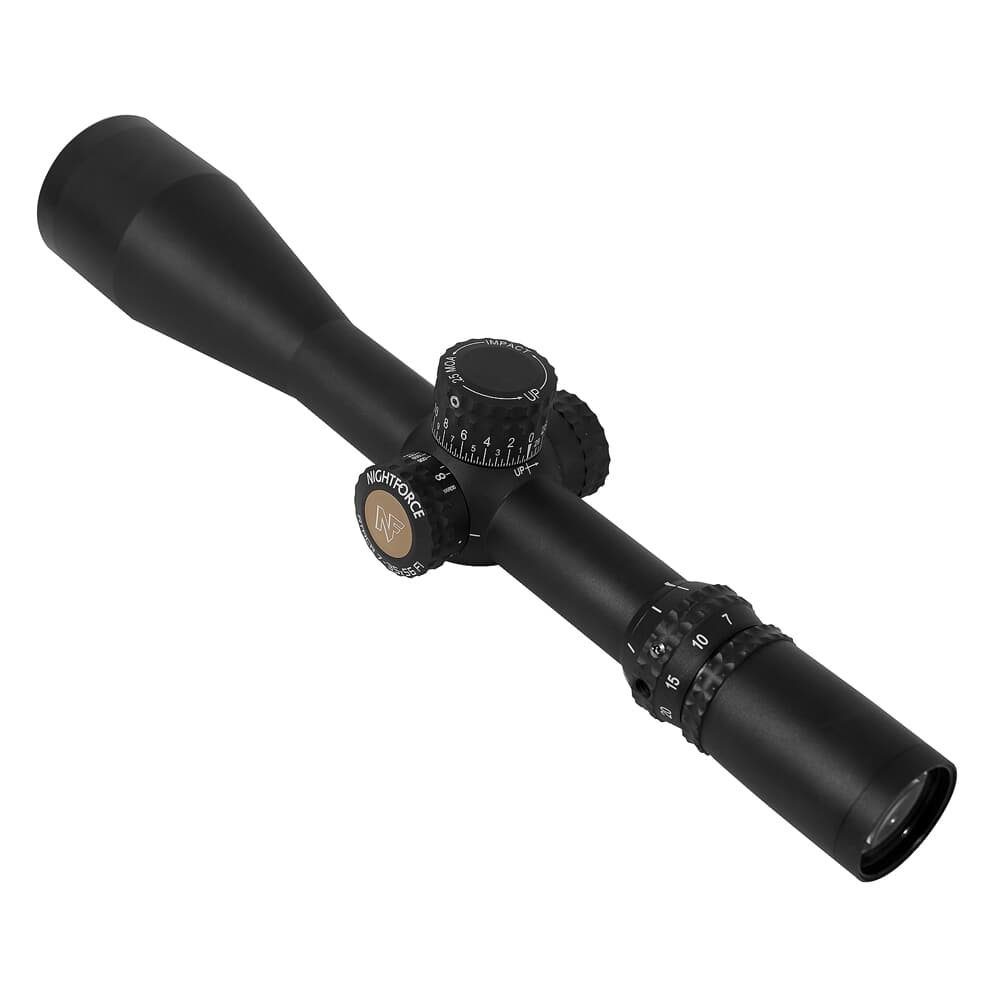
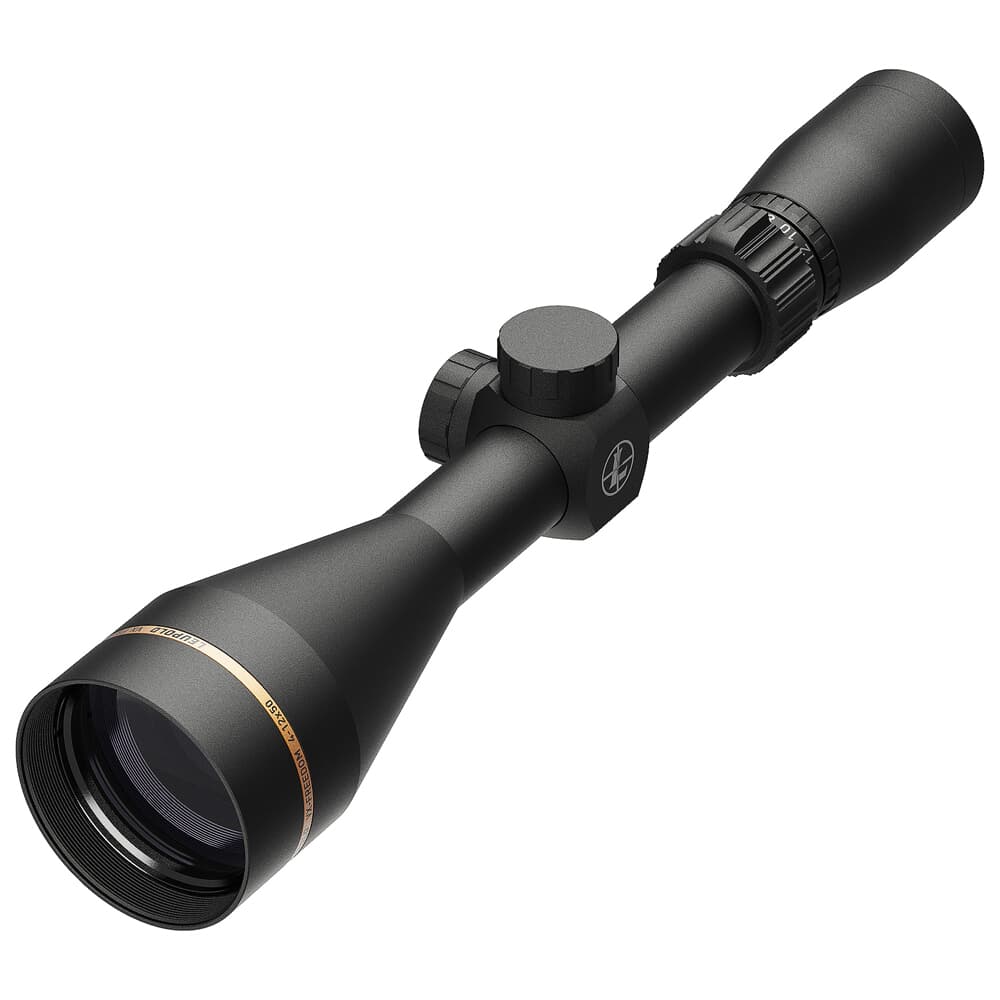
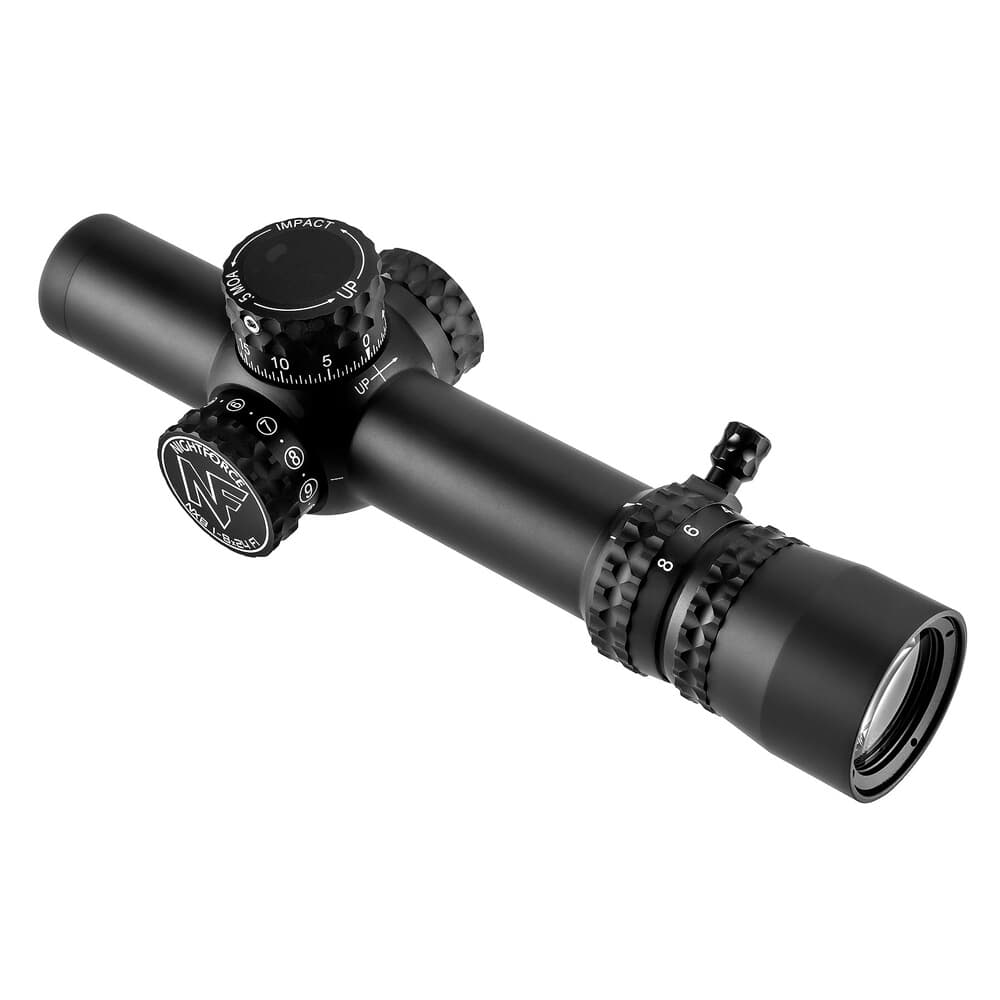
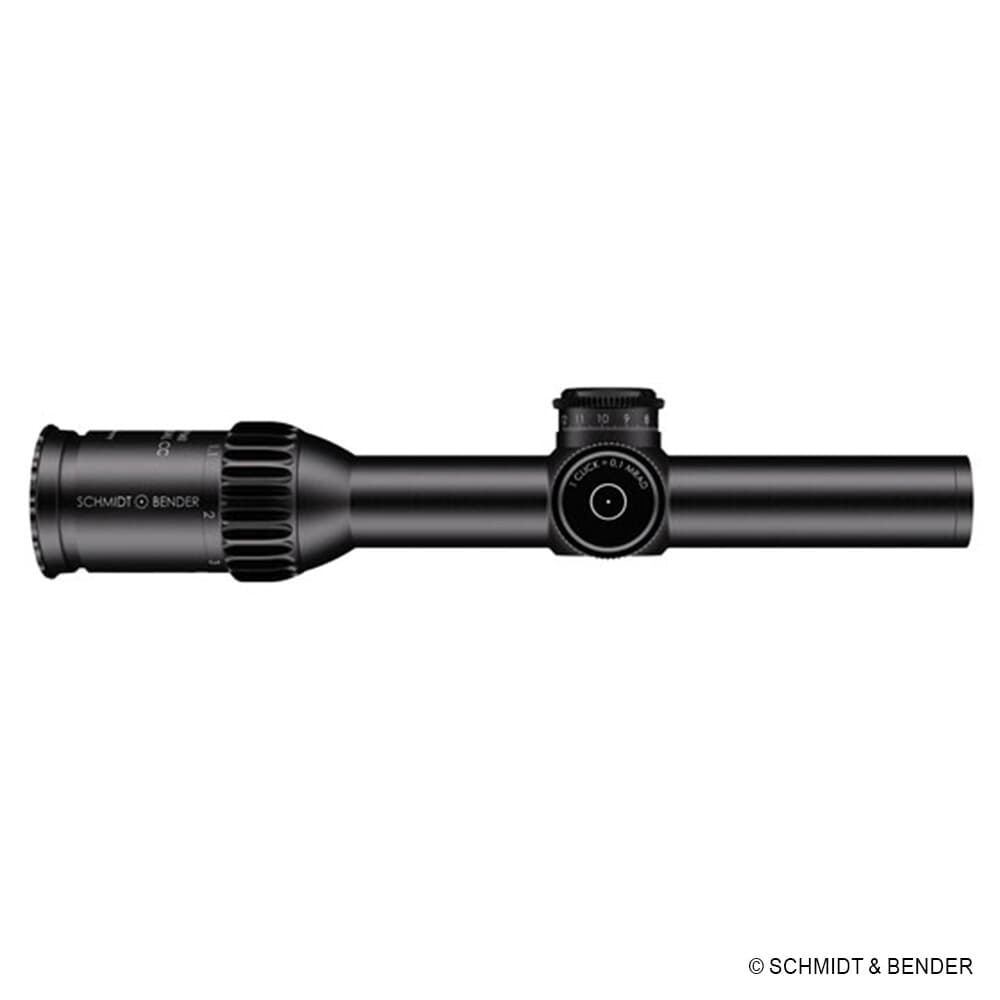
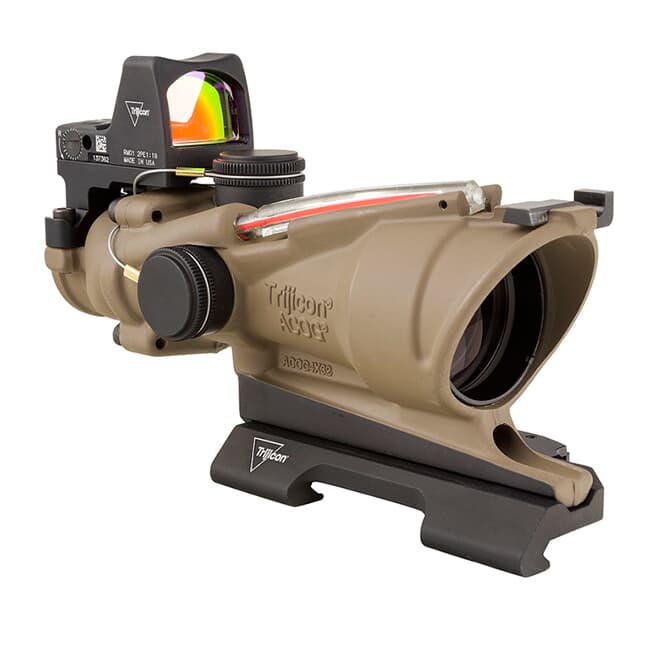
Shop rifle scopes for hunting, long-range shooting, precision, competition, and more at EuroOptic. Our huge selection of riflescopes and user-friendly filters makes it easy to narrow your options by magnification, focal plane, reticle style, and other specifications that are important to you.
If you already know the type of scope you need, start with the available rifle scopes and compare models within the configuration you want. If you need help narrowing your choices, the EuroOptic team has you covered. Reach out to one of our experts before placing your order.
Choose a Rifle Scope by Use Case
Start with your intended use and compare rifle scopes that match the distances, terrain, lighting conditions, and shooting style you expect to encounter.
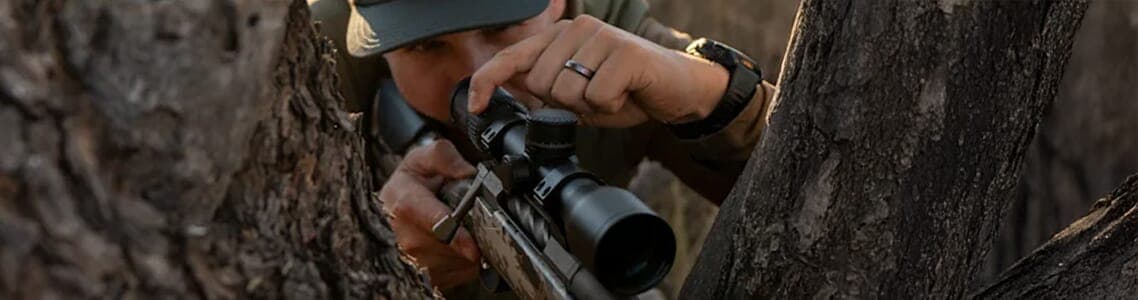
Hunting rifle scopes span a wide range of practical magnification ranges and manageable sizes. Low-light performance is an important consideration if you’ll be hunting around dawn or dusk.
When comparing hunting scopes, consider the average ranges you hunt from and the type of terrain you operate on.
Long-range rifle scopes offer higher magnification ranges and reticle features that support precise aiming. However, you shouldn’t simply choose the highest magnification available. Instead, choose an optic that provides adequate magnification and other features that will help you achieve accurate shot placement at the desired range.
Balance the magnification level with the field of view so that the optic is practical for your use.
If you are a precision shooter or compete in marksmanship competitions, focus on rifle scopes that allow you to make repeated adjustments on the fly and provide detailed reticles. The magnification ranges should match the type of shooting you perform.
A low-power variable optic (LPVO) is a versatile option for buyers who want low-end magnification around 1x with additional magnification available in the same scope. LPVOs are commonly used on AR-style and other general-purpose rifles, while rimfire shooters should compare scopes that match the typical distances and configuration of their setup. Compare the exact magnification range, reticle, focal plane, size, and weight instead of assuming every LPVO or rimfire scope serves the same role.
Compare the Specifications That Matter
Once you’ve filtered our rifle scopes based on your intended use, you can dig into the specifications that impact how the scope performs on your rifle.
Magnification Range
Magnification range is the scope specification that most shooters focus on first, and for good reason. The magnification capabilities of your rifle scopes impact your field of view and how much you can enlarge the target image.
Choose a range that fits your typical shooting conditions rather than choosing an optic with as much magnification as possible.
First Focal Plane vs. Second Focal Plane
A first focal plane reticle changes apparent size as magnification changes, so its subtension values remain consistent throughout the magnification range. That matters when you rely on reticle references at more than one magnification setting.
A second focal plane reticle, on the other hand, stays the same apparent size as you change magnification.
Reticle
Reticle design affects how quickly and easily you can use the scope for your intended application. Compare simple hunting reticles with more detailed designs for precision or competition use. Reticle design is largely a matter of preference, so compare a few different options before making a decision.
Tube Diameter
The diameter of the scope tube will impact how the optic mounts to your rifle, or whether it can be mounted at all. Make sure the tube diameter is compatible with your existing scope rings or mounting hardware.
Objective Size
The objective lens influences the amount of light that can reach the scope’s optical system and contributes to the overall size of the optic. A larger objective may offer advantages in certain configurations, but it can also affect how the scope fits your rifle and mounting setup.
Illumination
An illuminated reticle can improve reticle visibility in certain lighting conditions. Compare illumination features based on your intended use and the reticle design.
Parallax
Adjustable parallax lets you account for differences in target distance that can affect the apparent relationship between the reticle and target.
Adjustment System
Compare adjustment formats and turret configurations. These details matter when you want a scope for a very specific use case.
Brand and Product Family
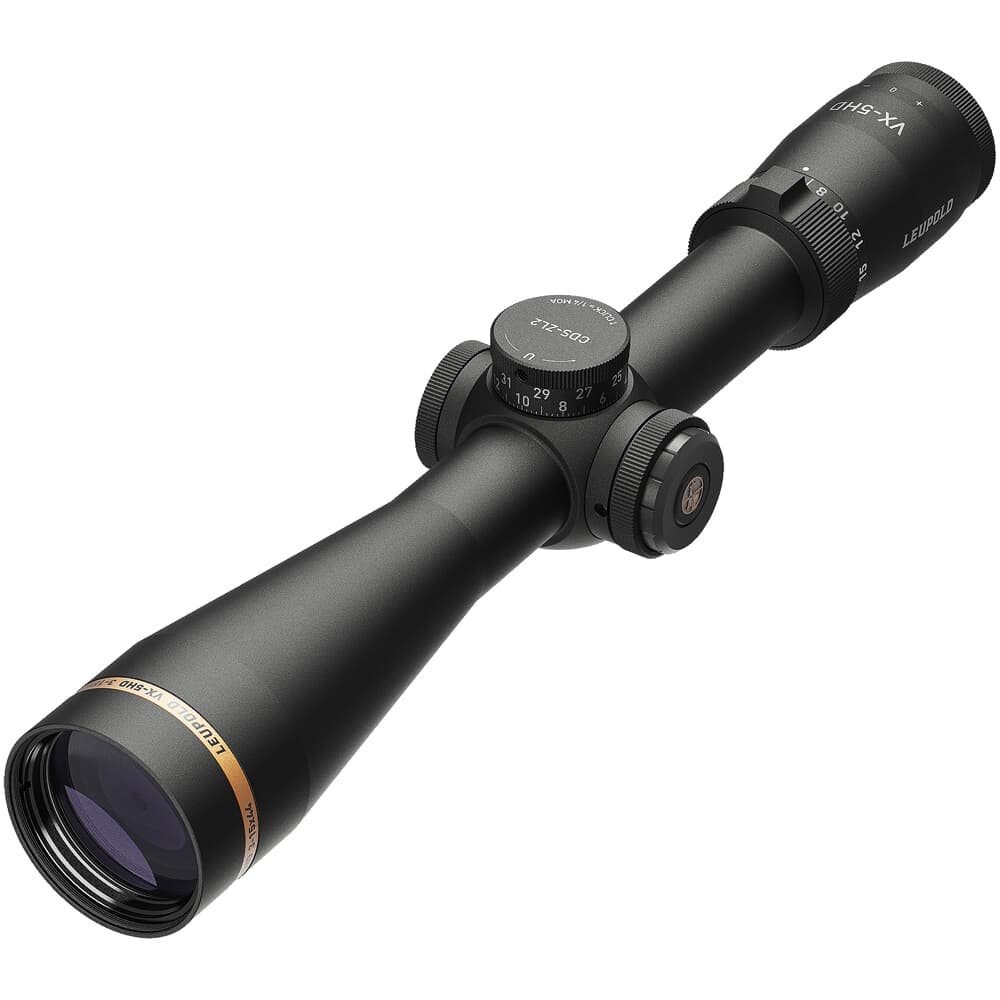
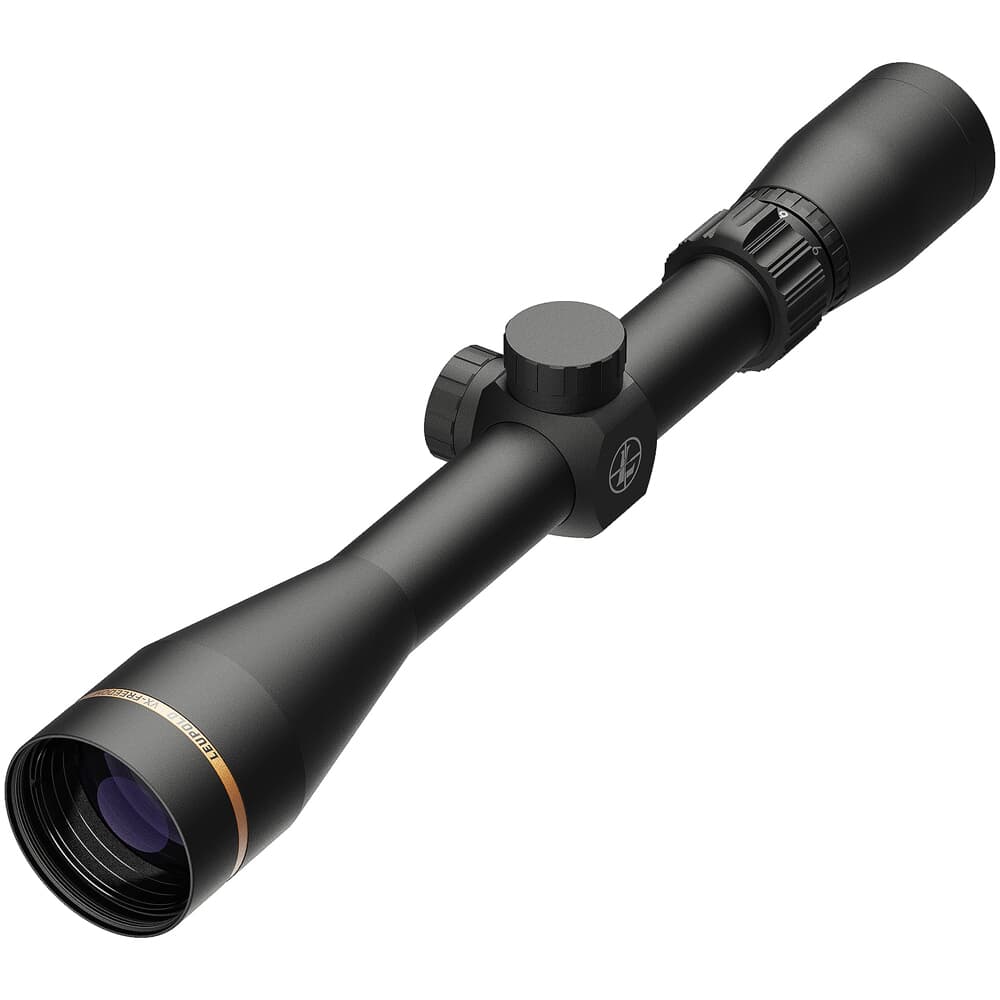
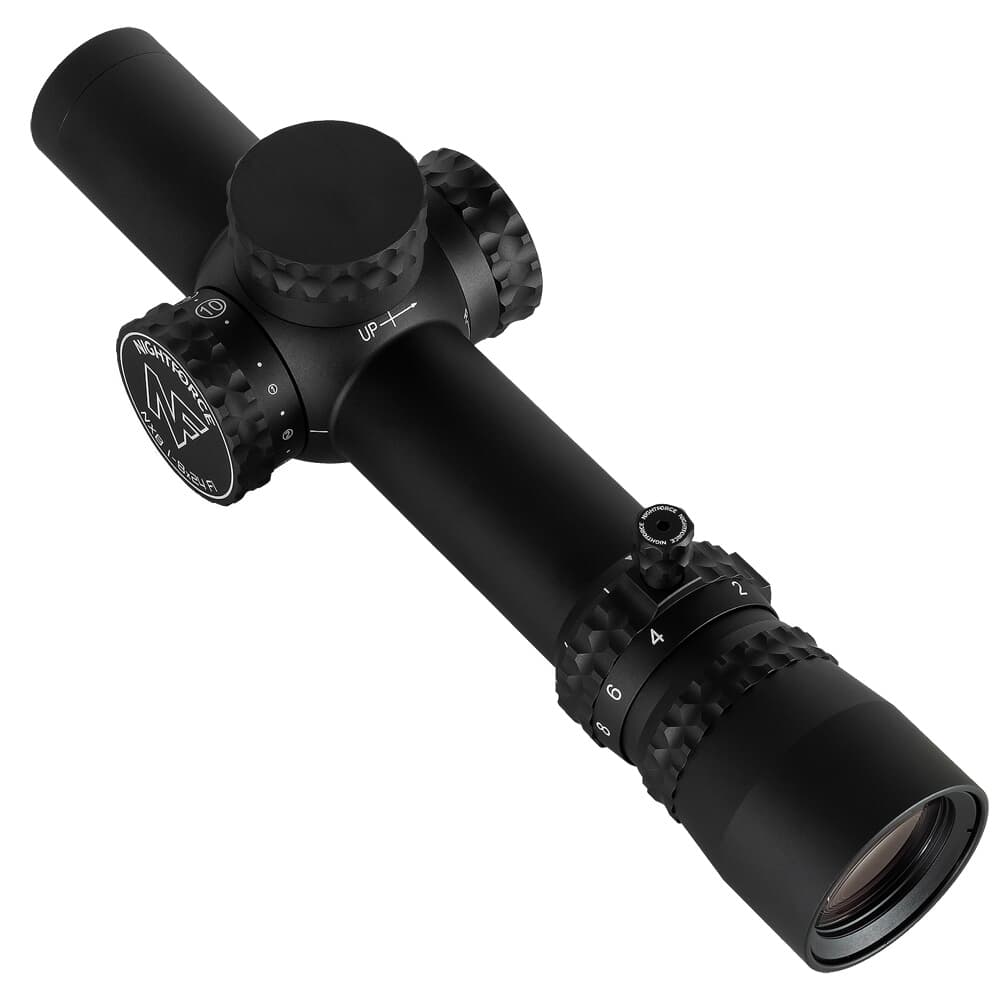
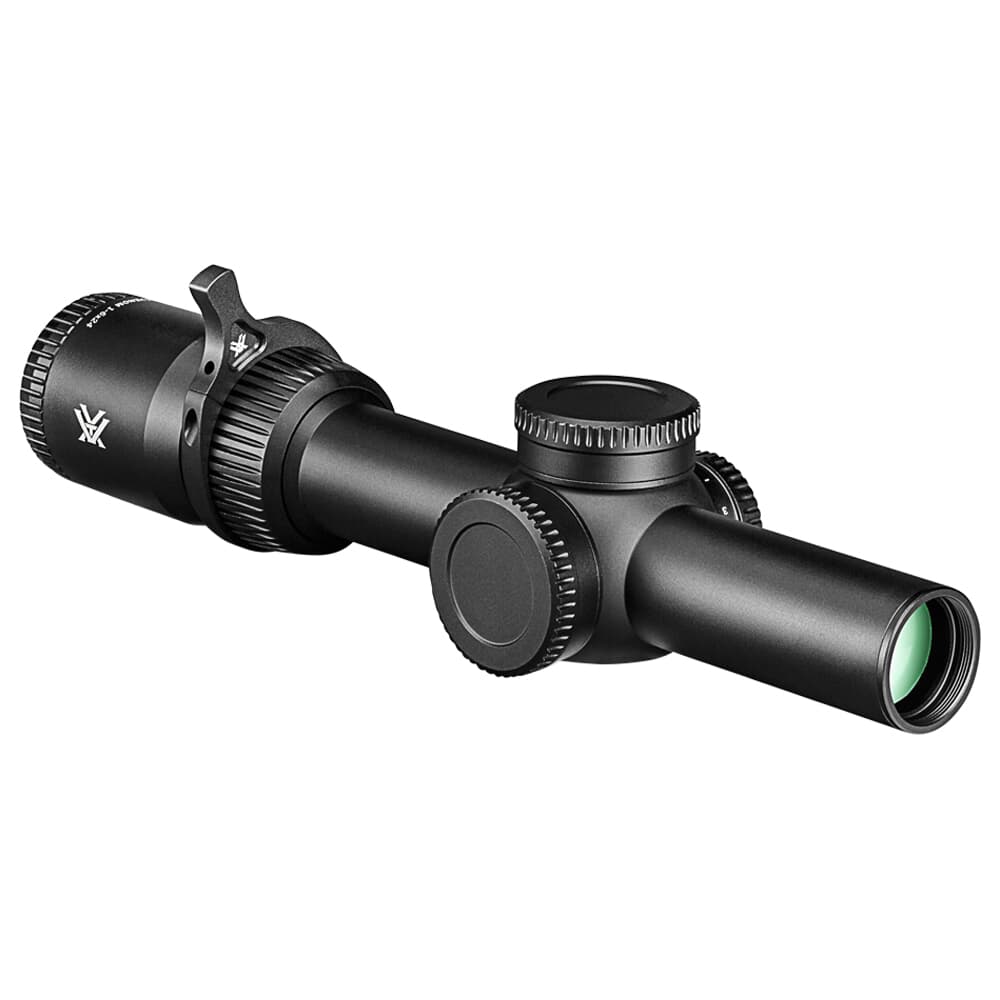
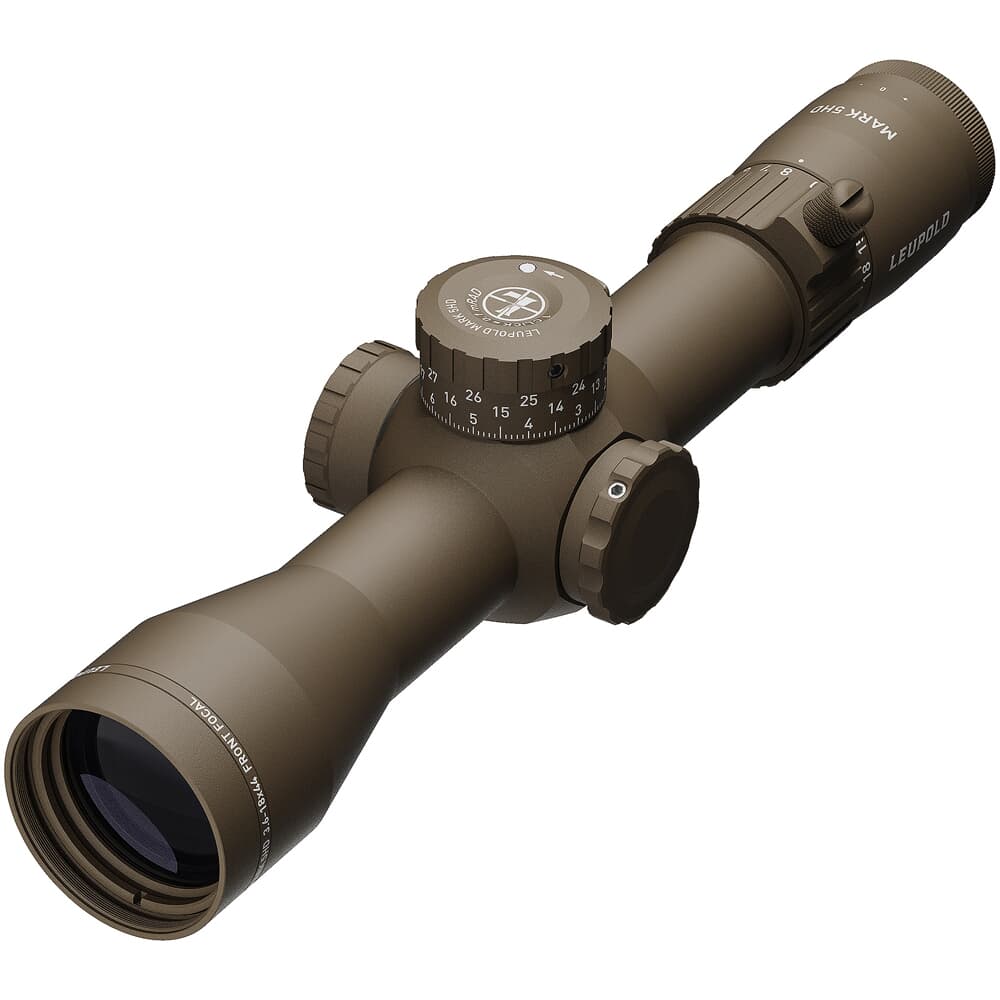
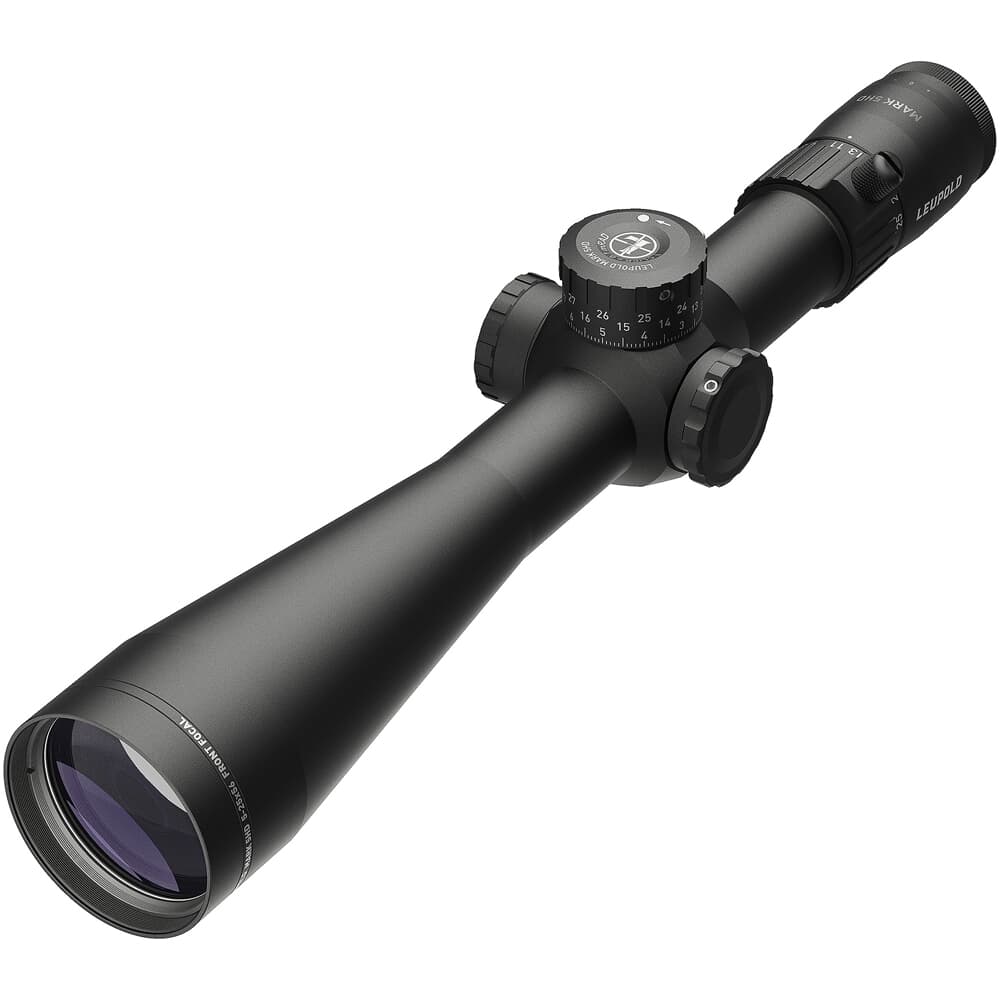
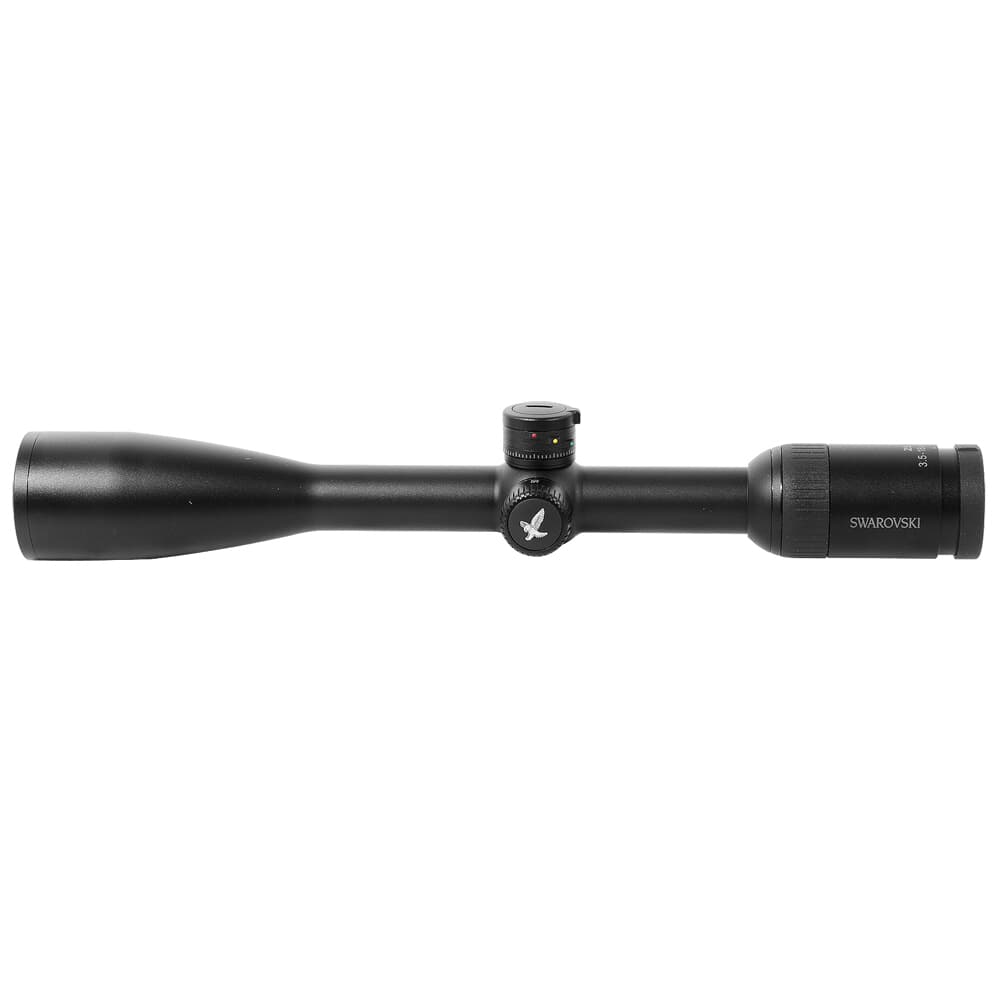
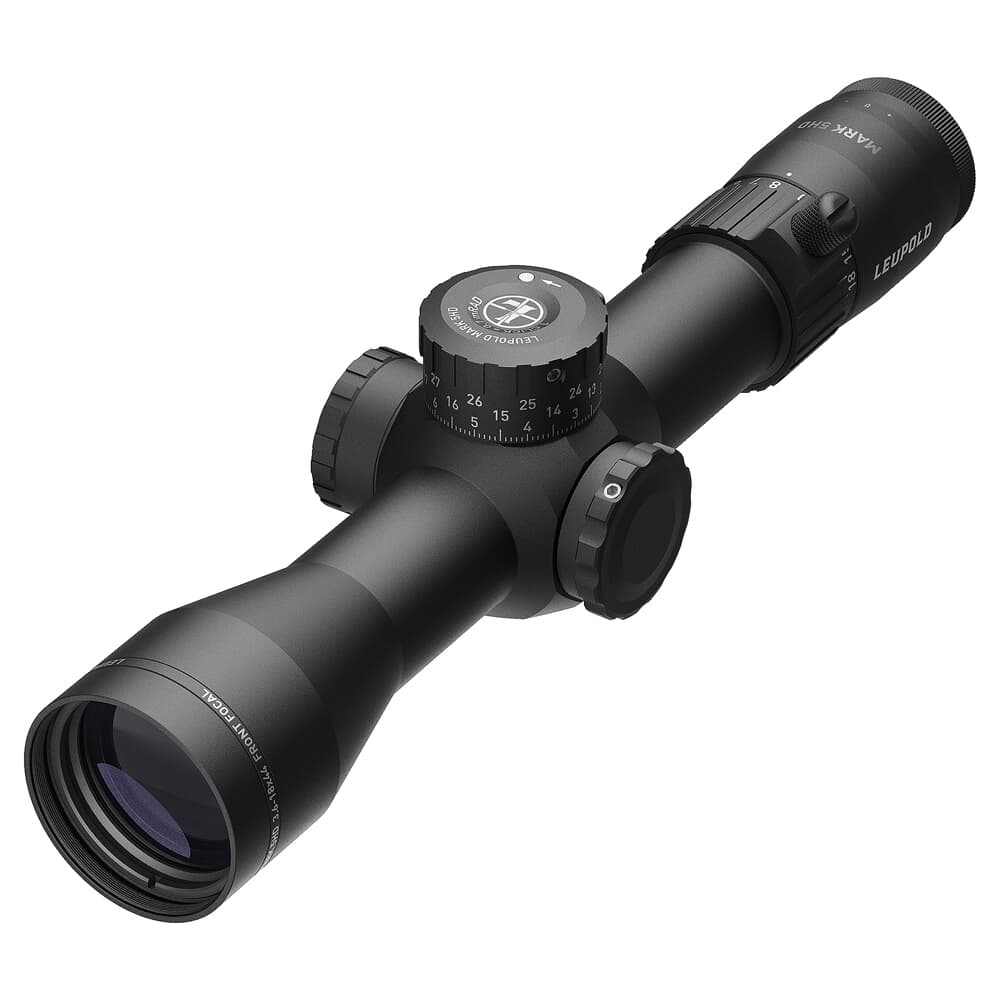
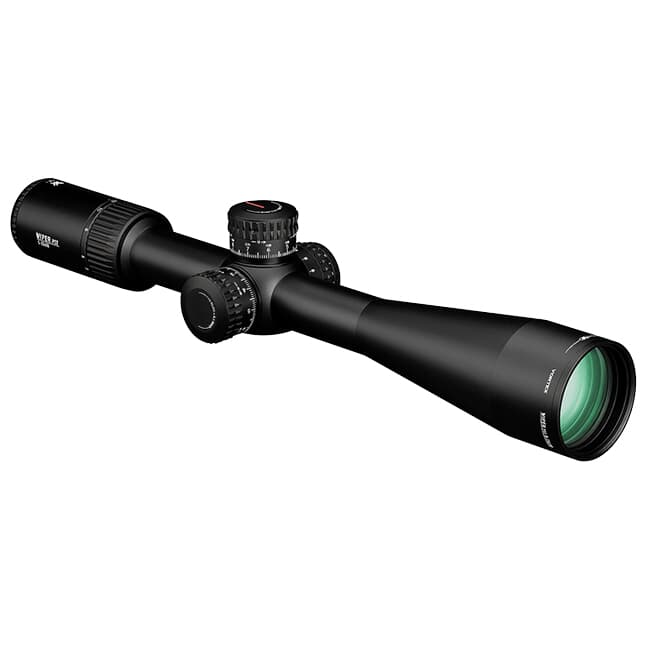
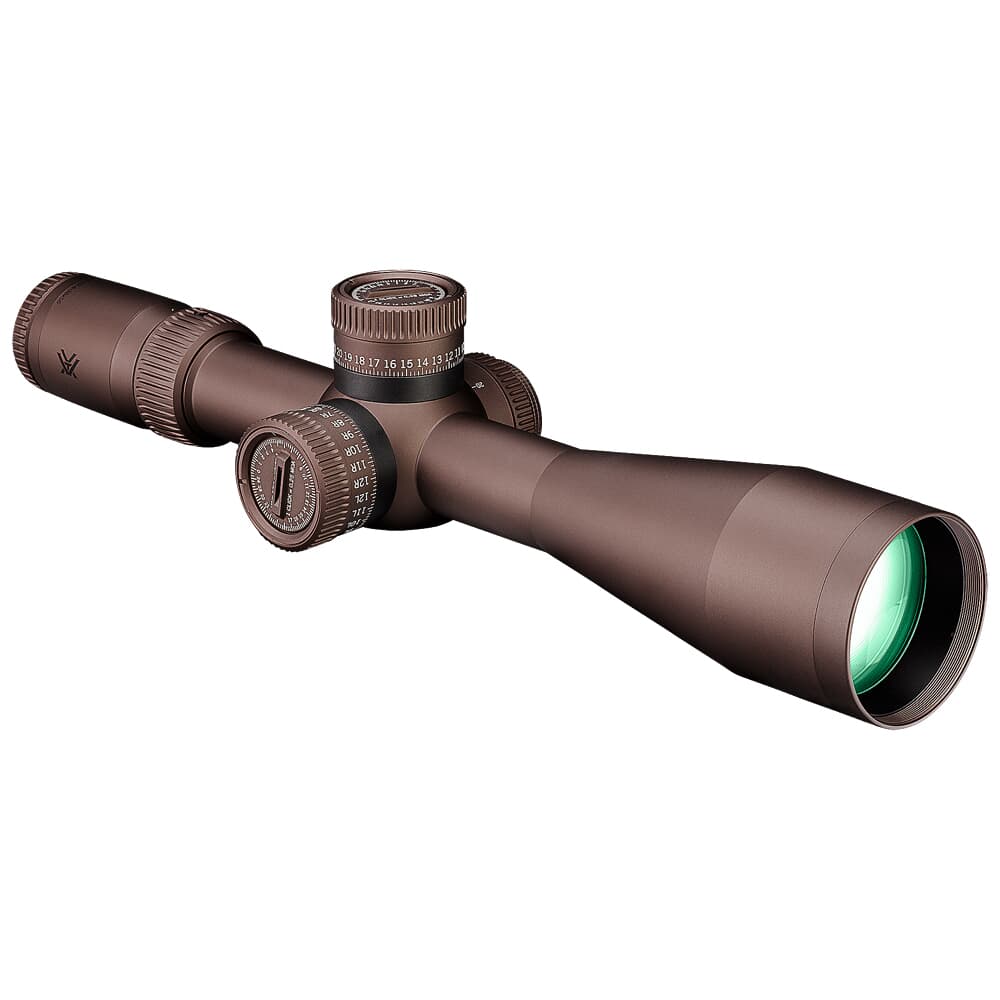
EuroOptic carries rifle scopes from major optics manufacturers across hunting, long-range, precision, competition, and general-purpose configurations. If you already have a manufacturer in mind, compare dedicated selections for Vortex rifle scopes and Leupold riflescopes, or review Nightforce riflescopes and Swarovski rifle scopes for additional brand-specific options. If you’re still narrowing the field, use the brand and specification filters on this selection, then contact EuroOptic if you need help comparing similar configurations.