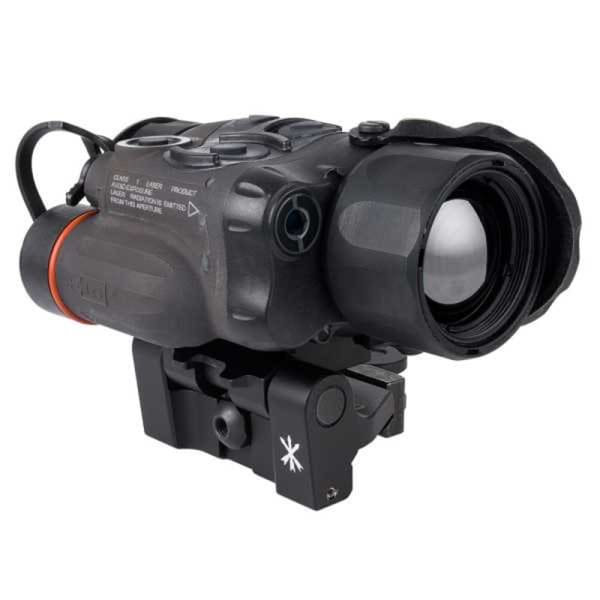
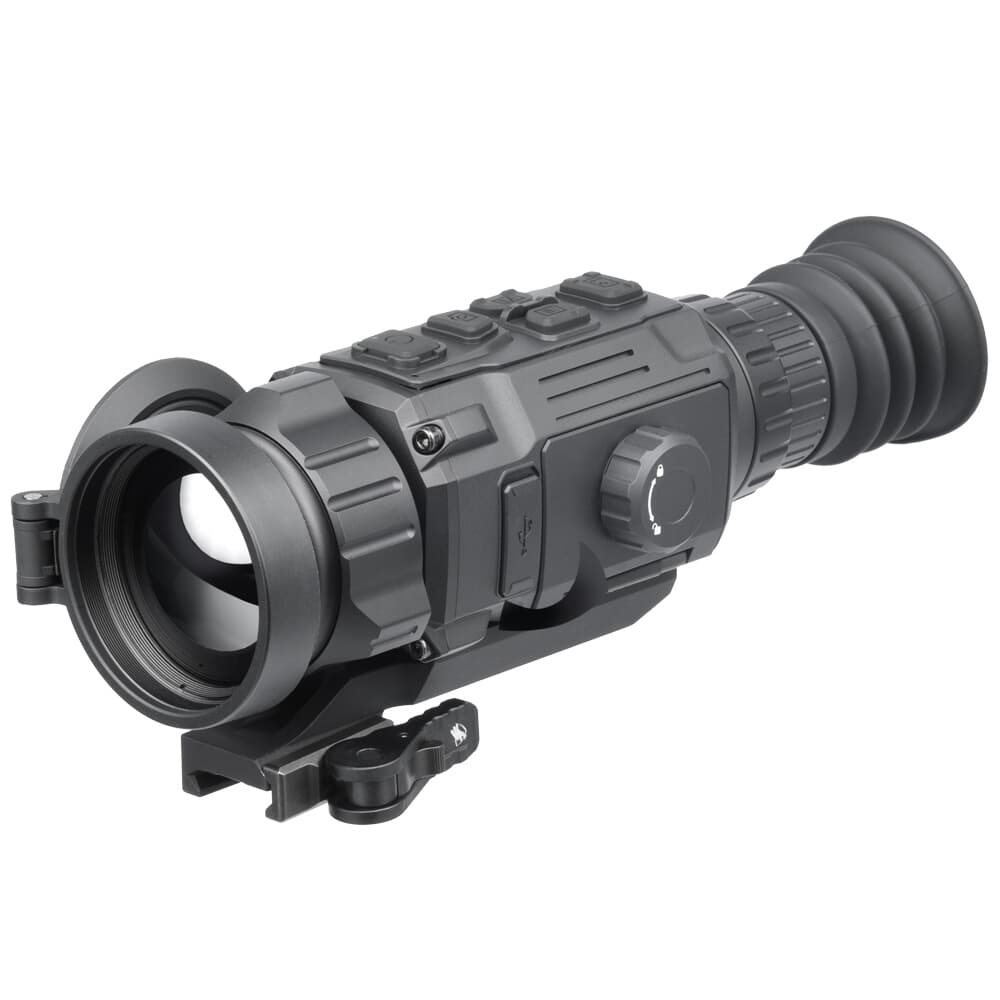
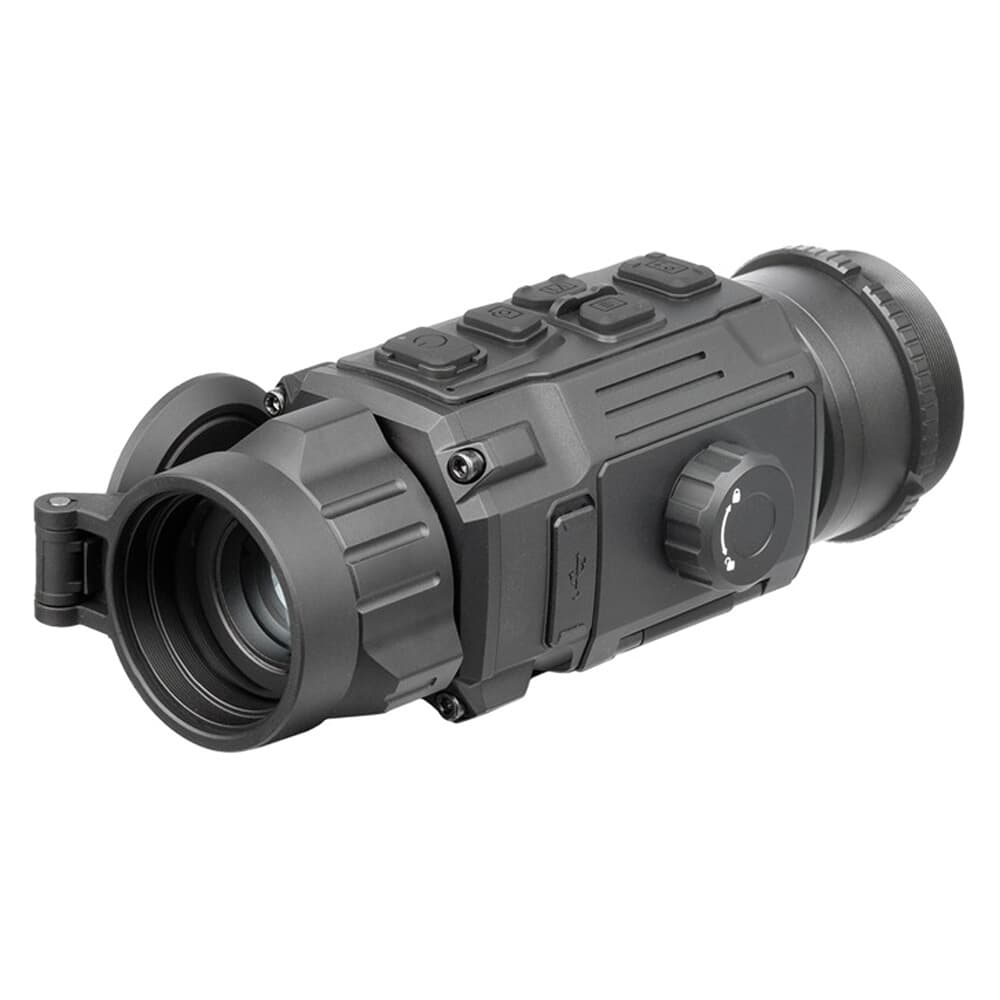
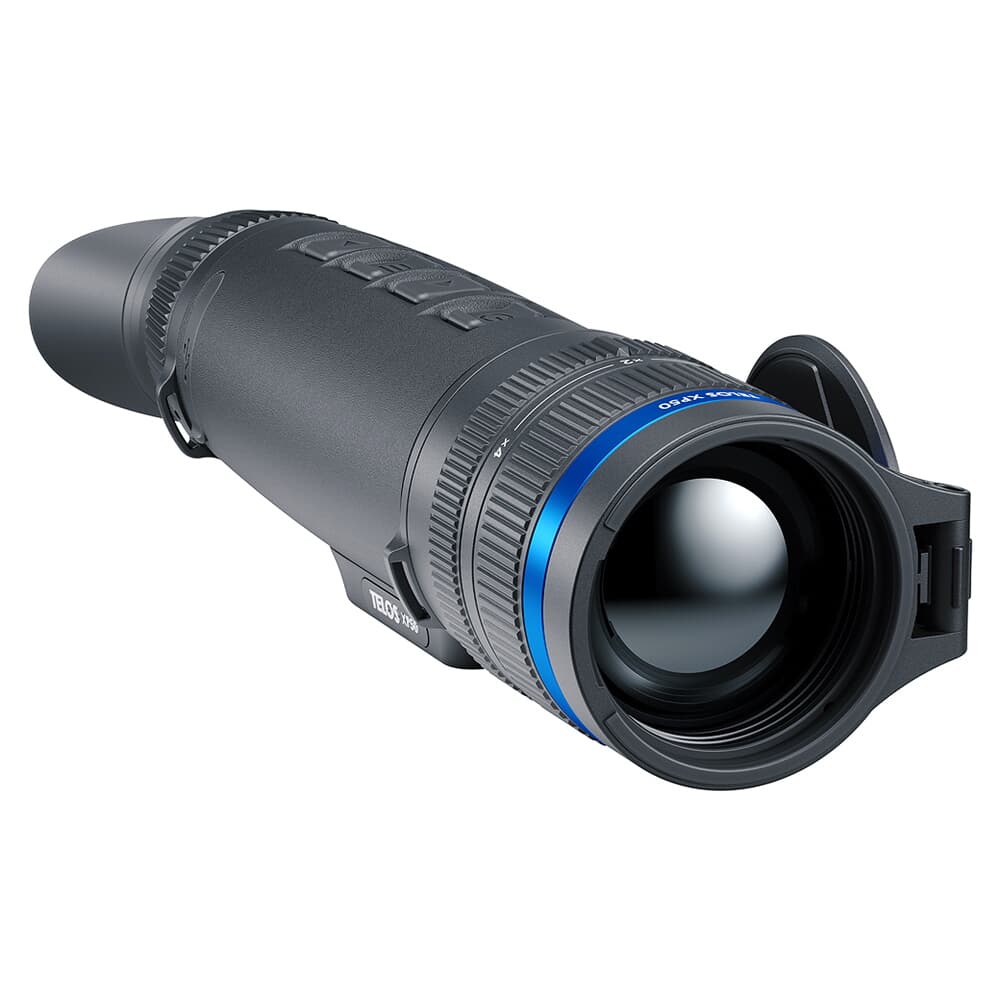
Thermal Scopes and Thermal Optics
Compare thermal rifle scopes, handheld monoculars, binoculars, clip-on devices, and related accessories at EuroOptic. Start with the device type that fits your intended application, then compare the specifications of the individual models.
Use the available product-type and brand filters to narrow the selection. Review each product’s sensor, display, magnification, field of view, and power system before choosing a thermal optic.
Choose the Right Thermal Device Type
Here’s a closer look at the types of thermal optics available via EuroOptic.
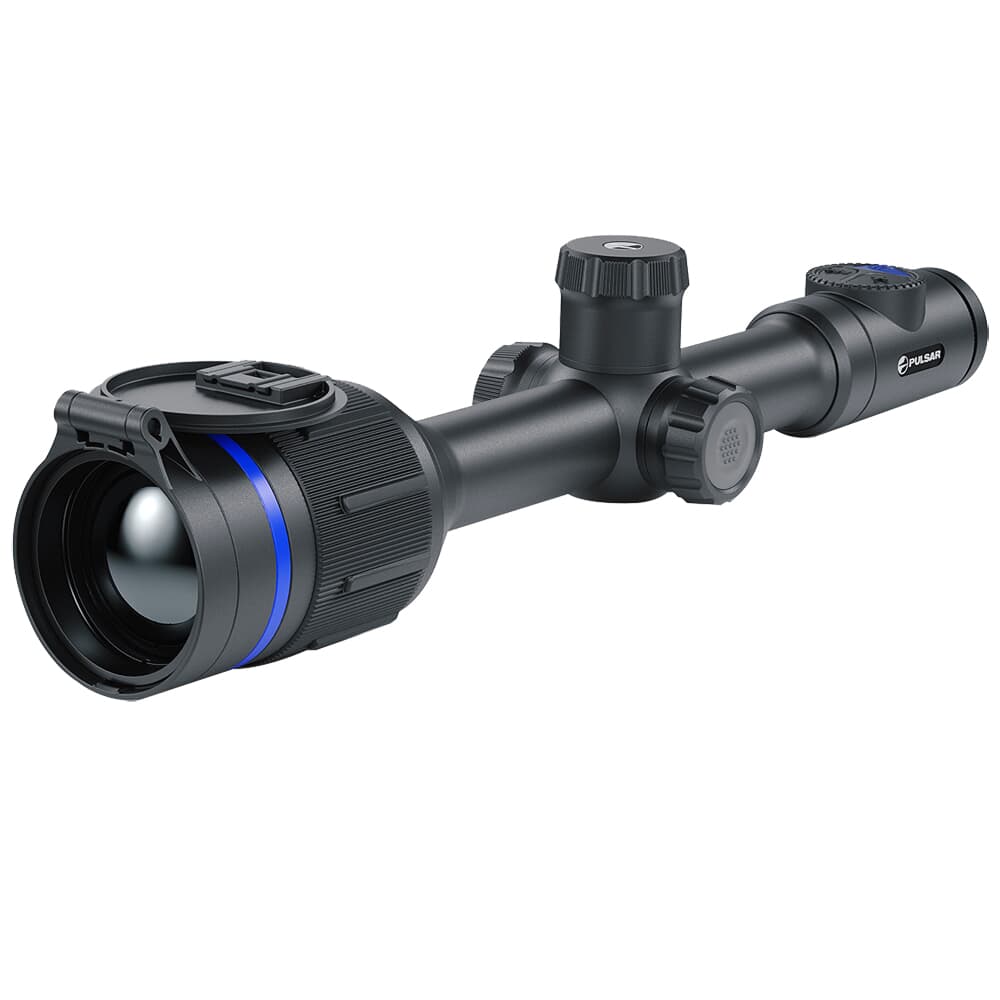
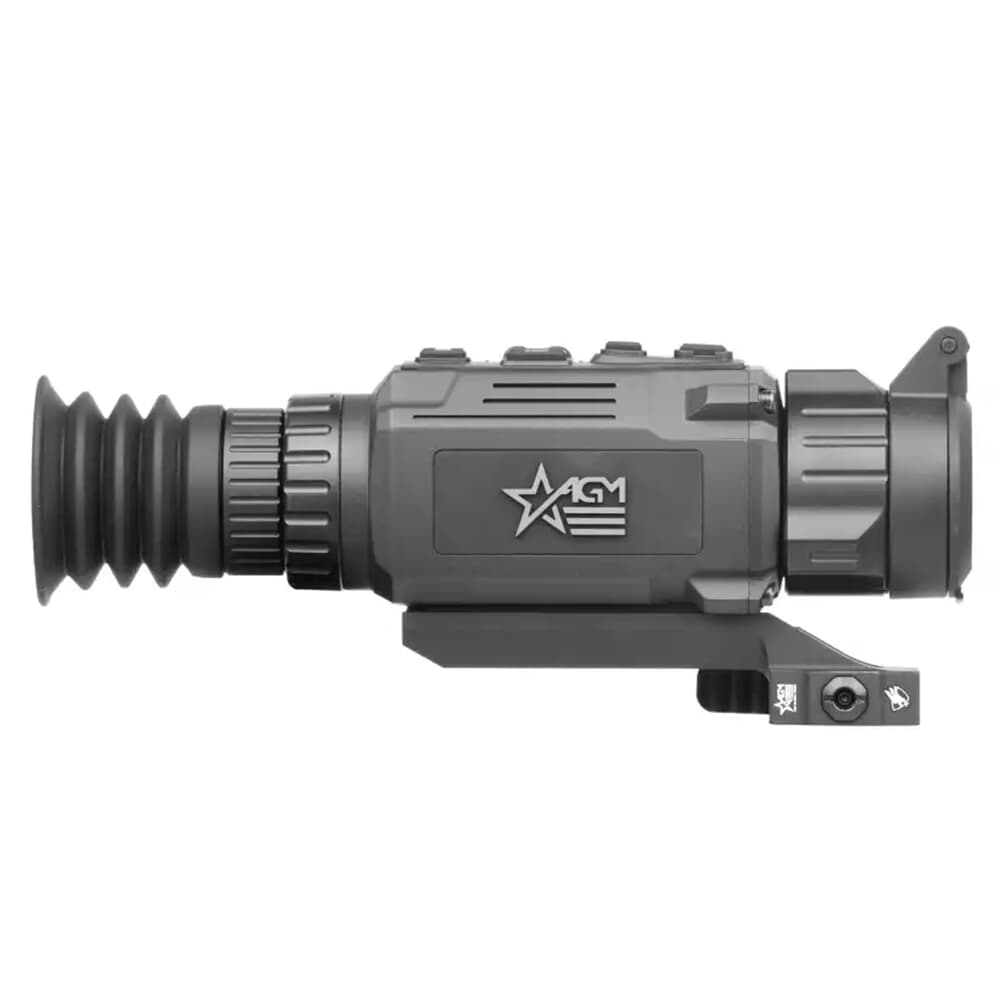
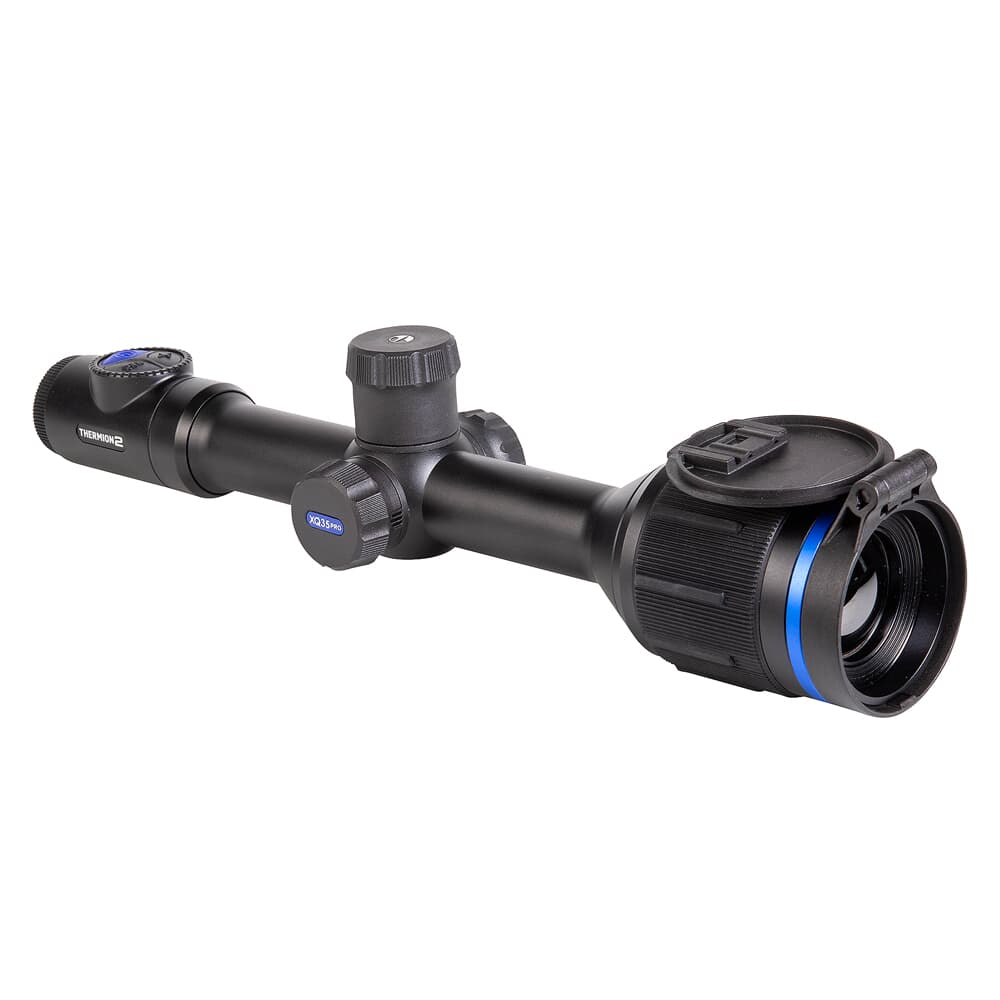
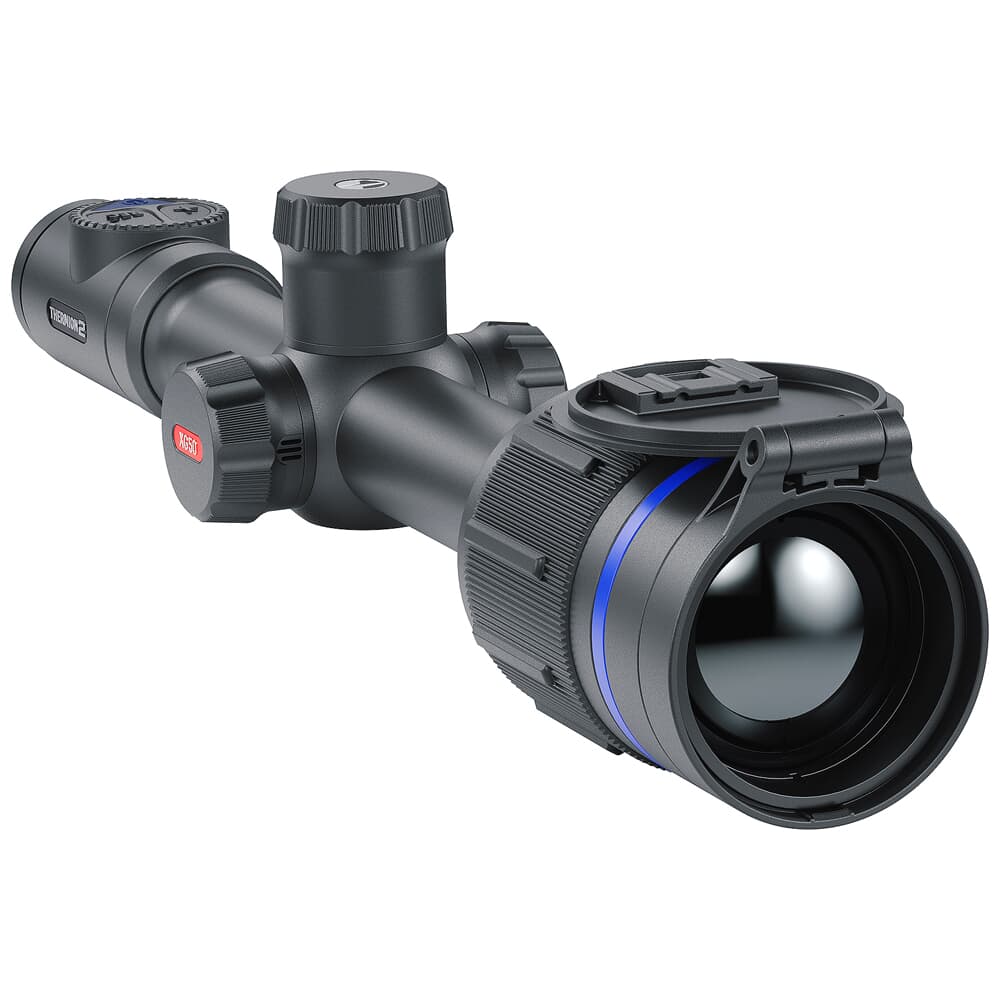
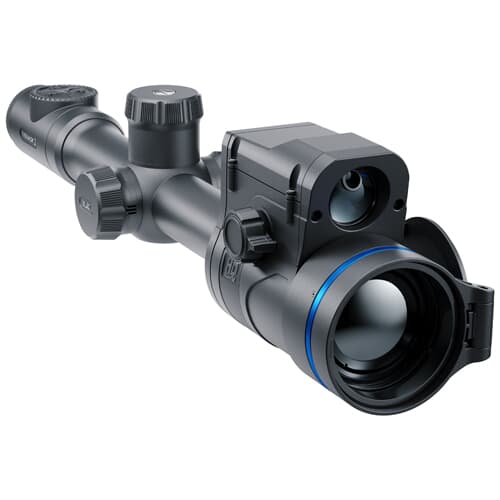
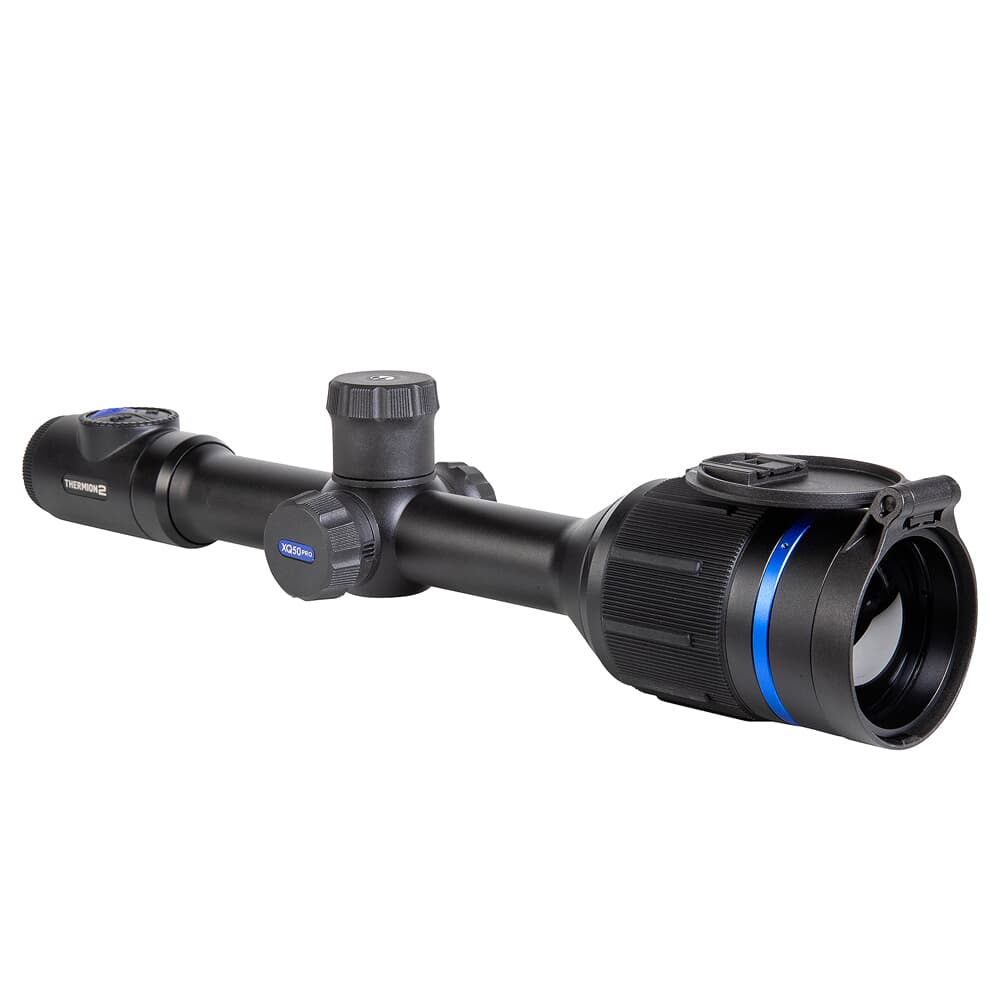
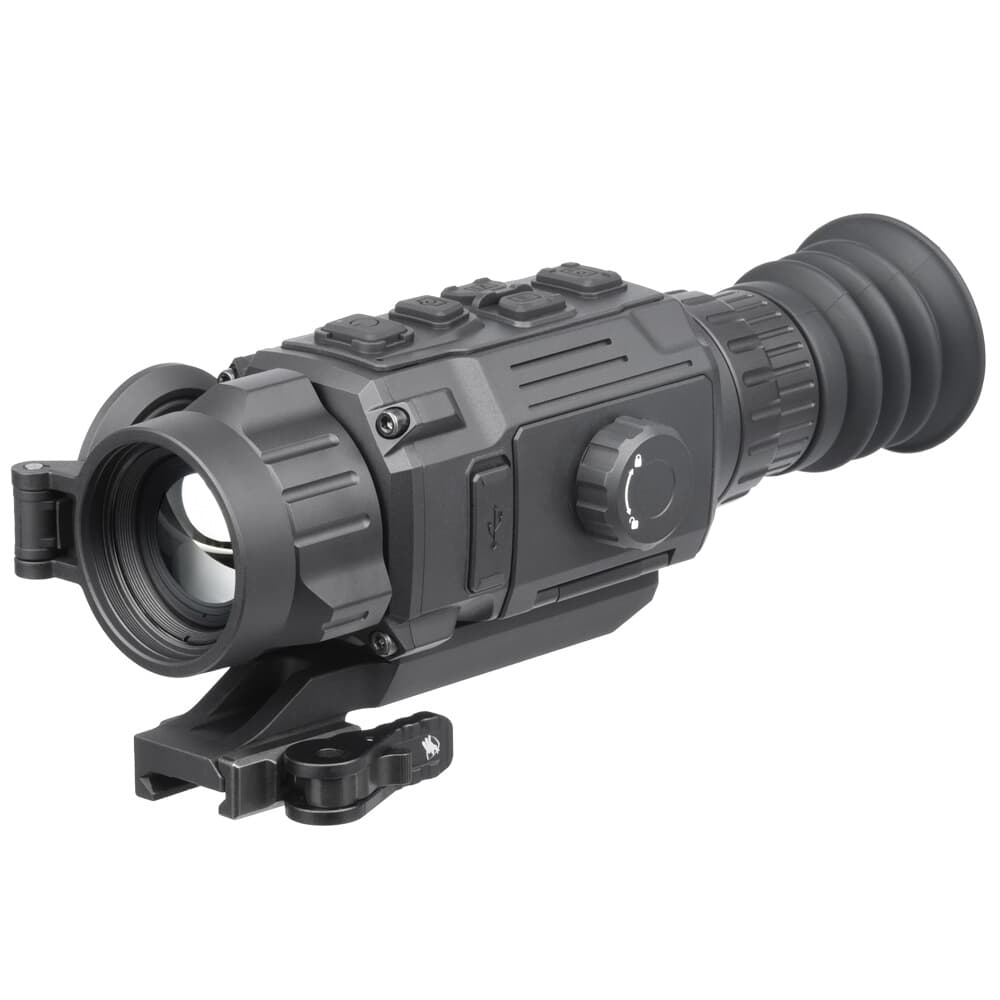
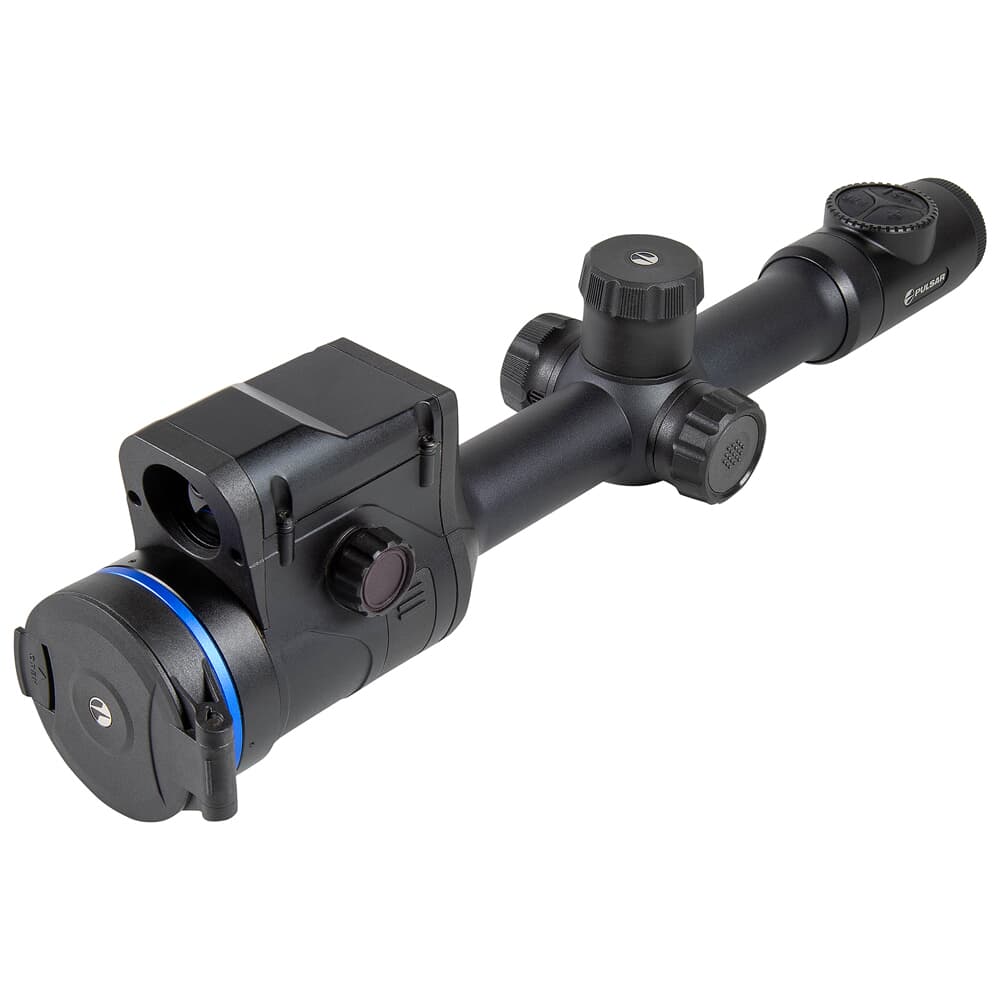
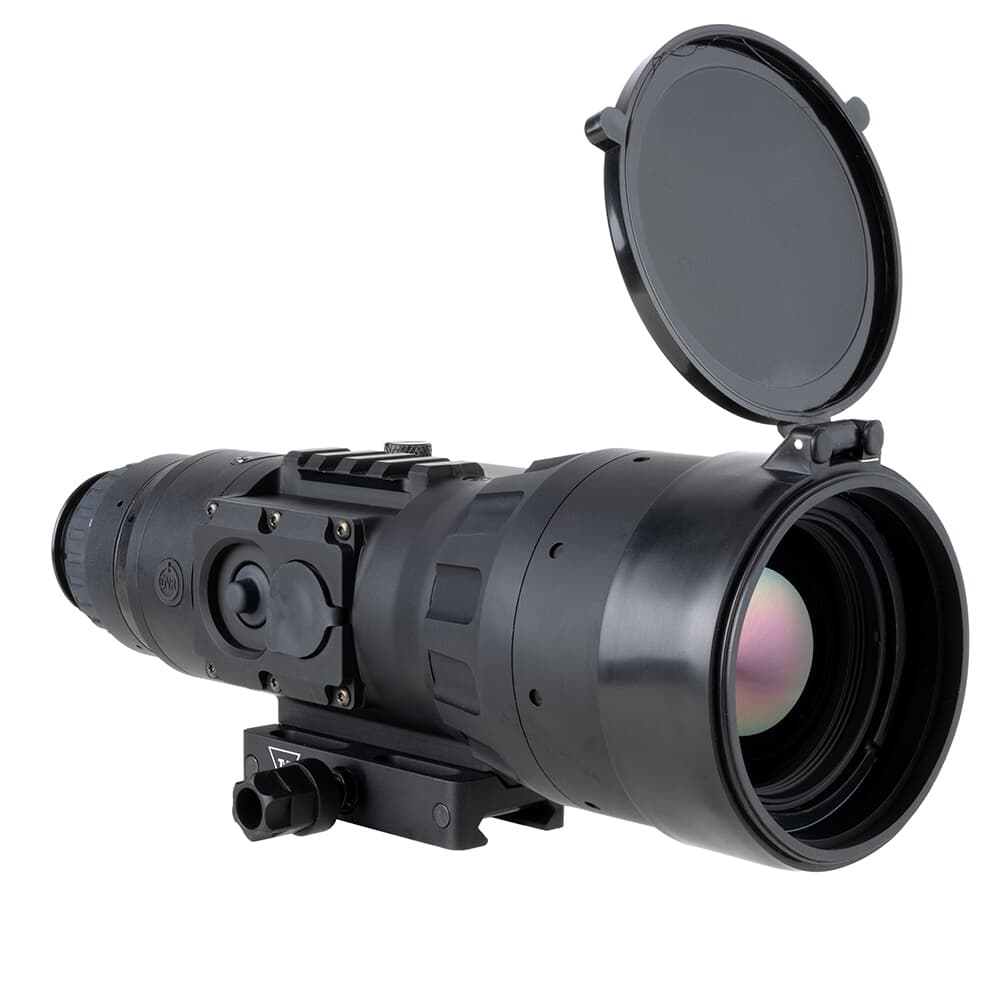
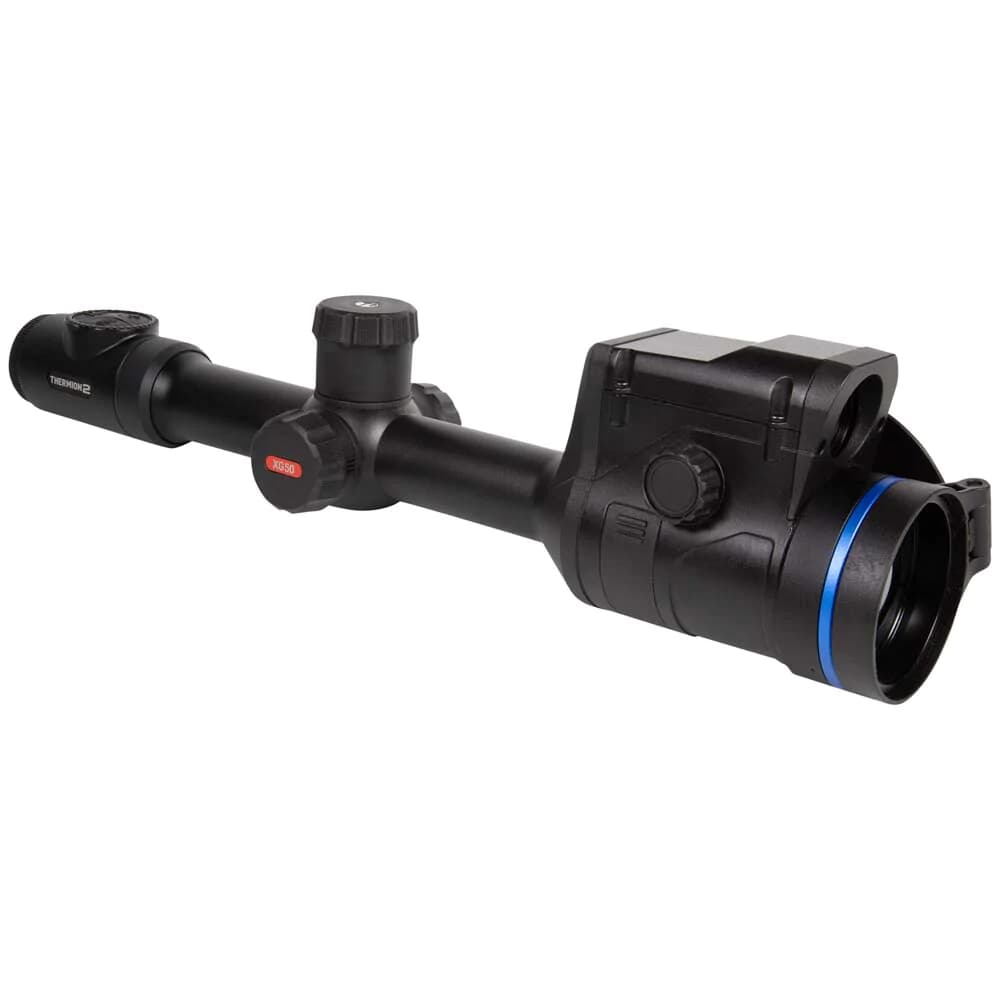
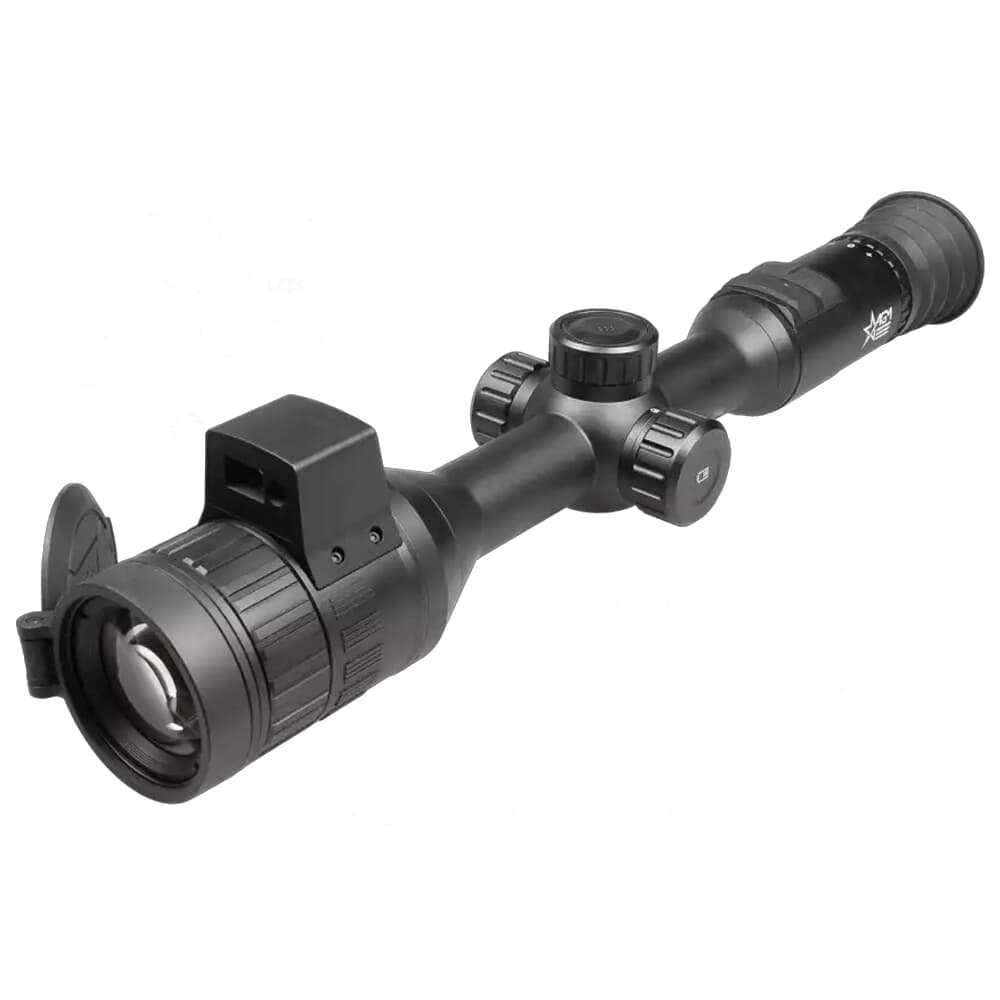
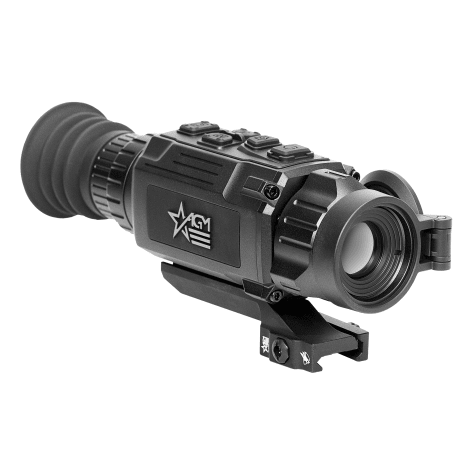
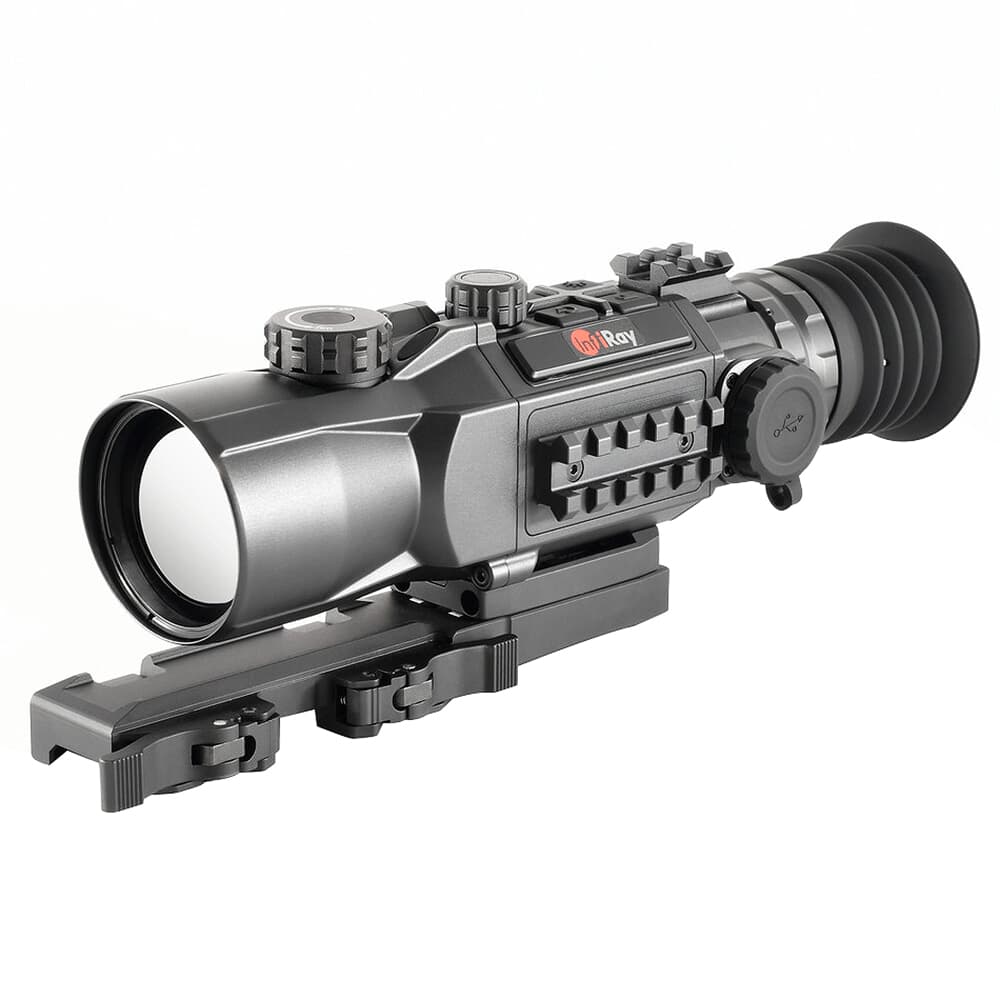
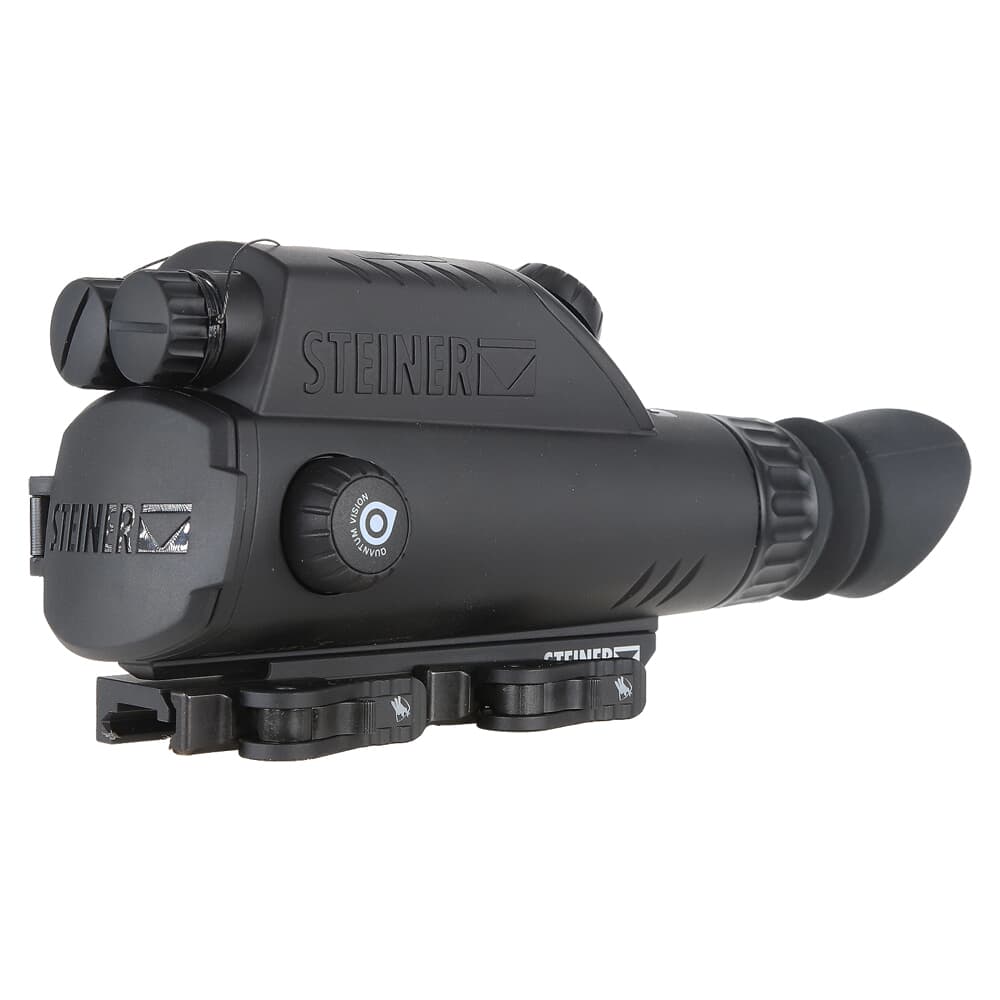
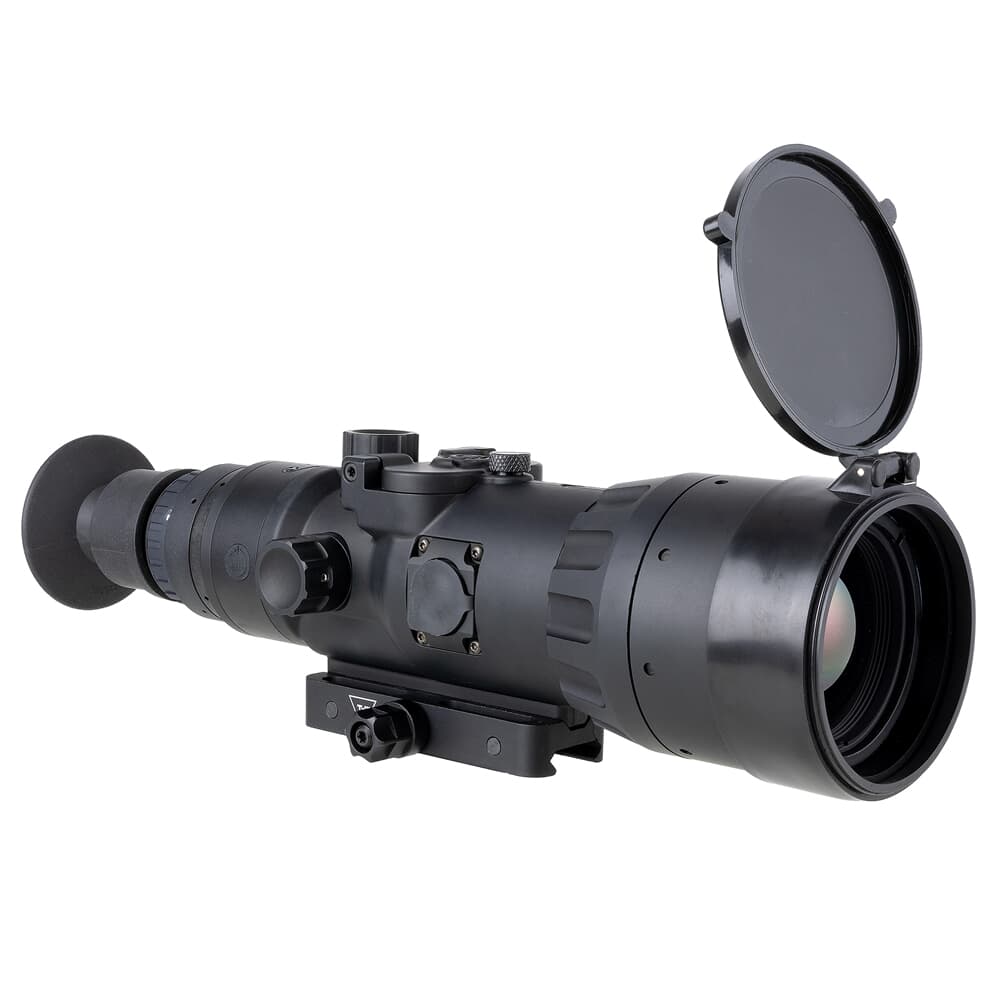
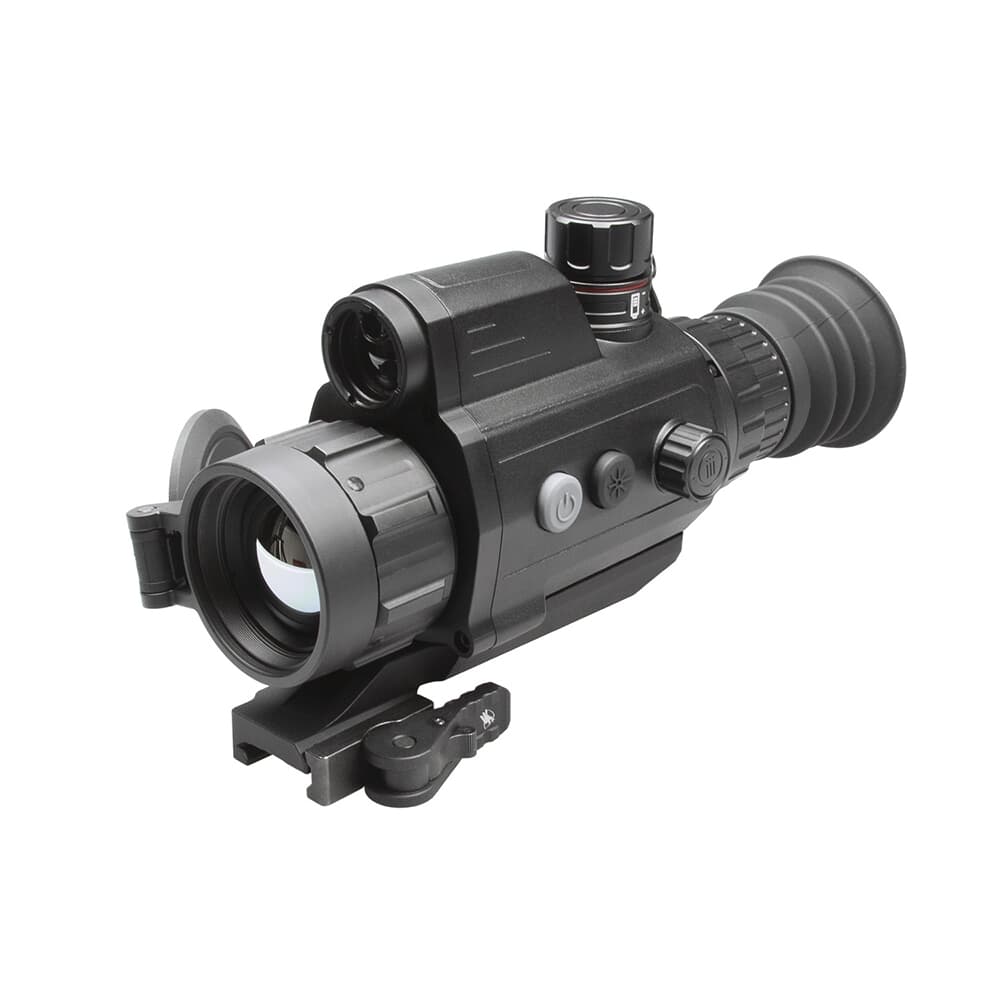
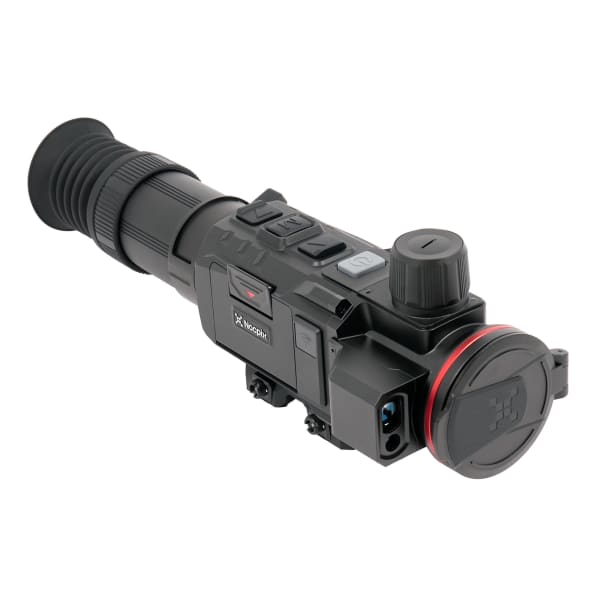
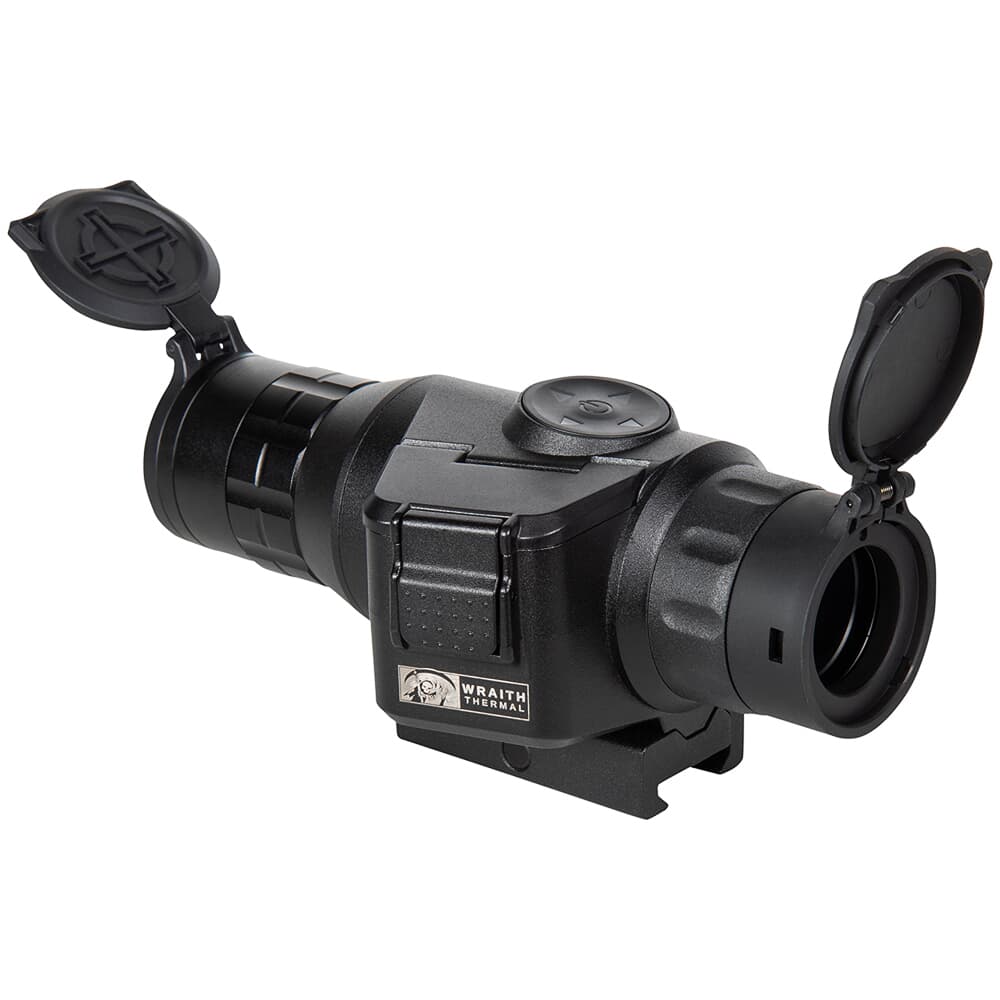
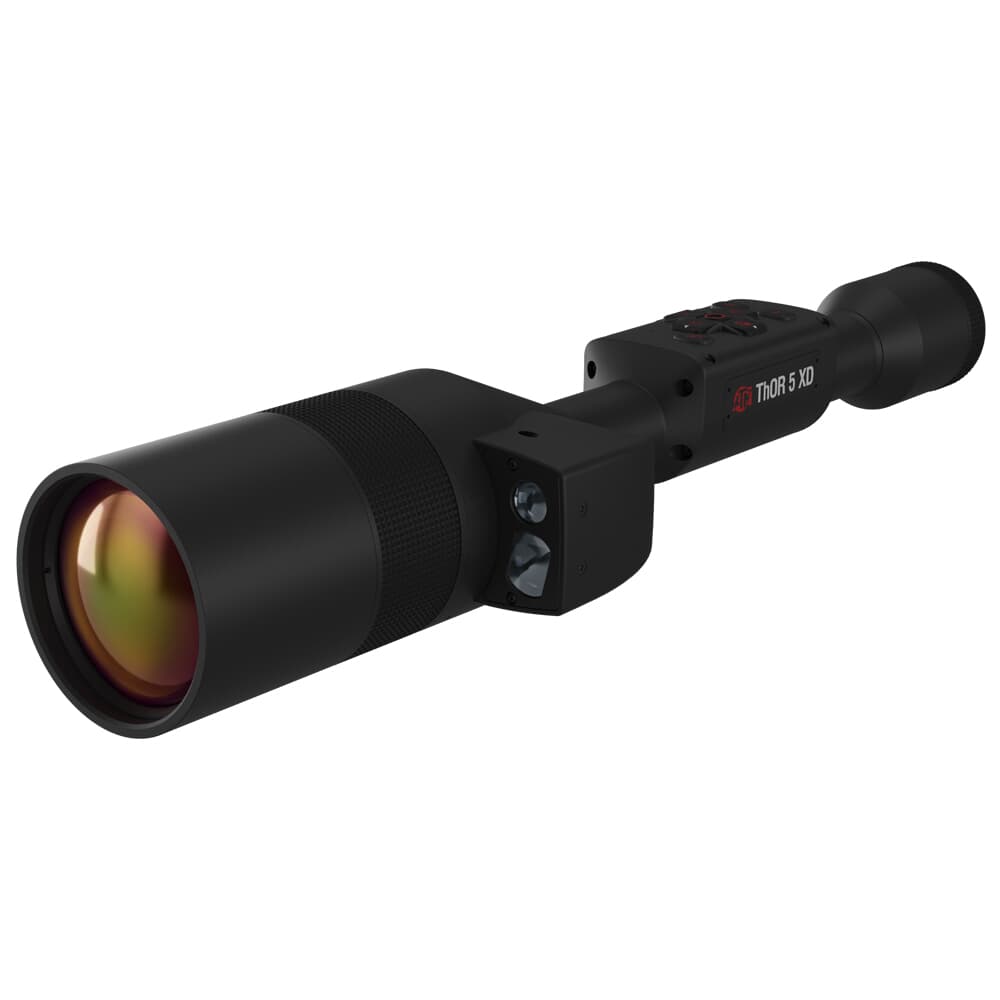
Thermal Rifle Scopes
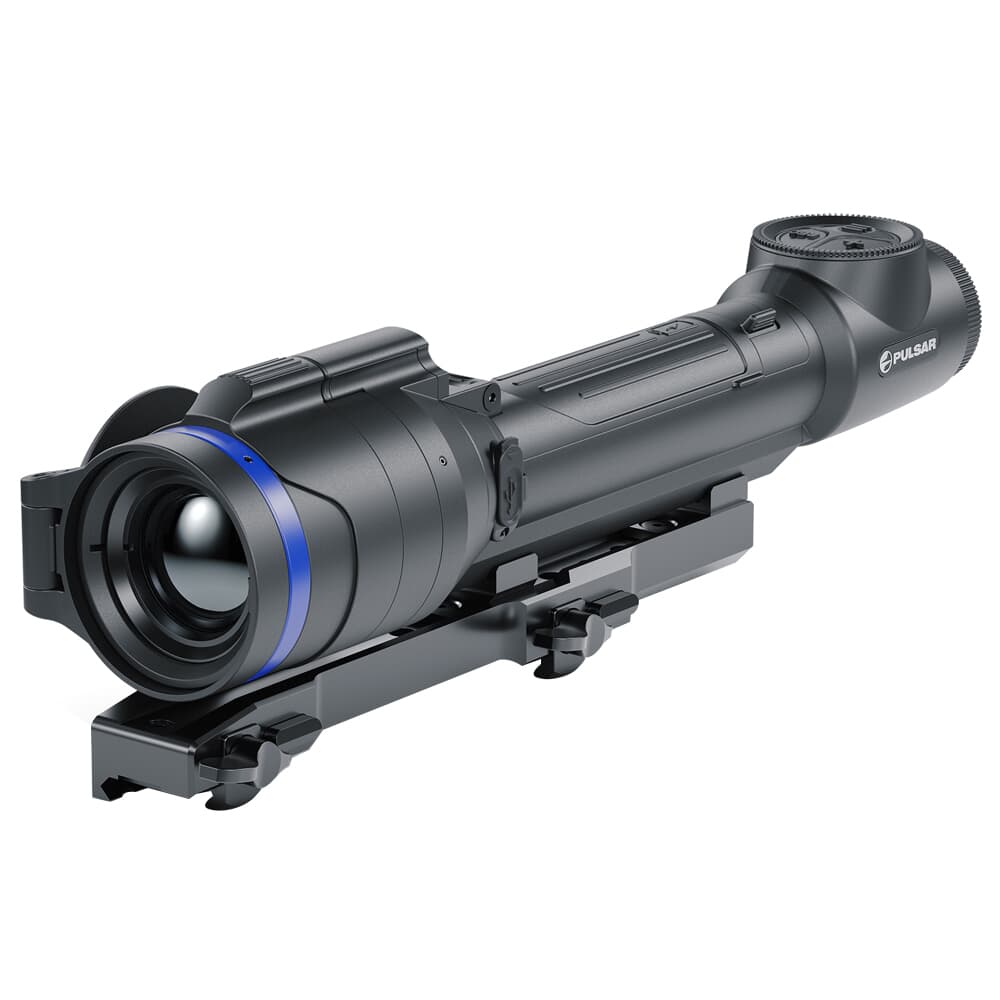
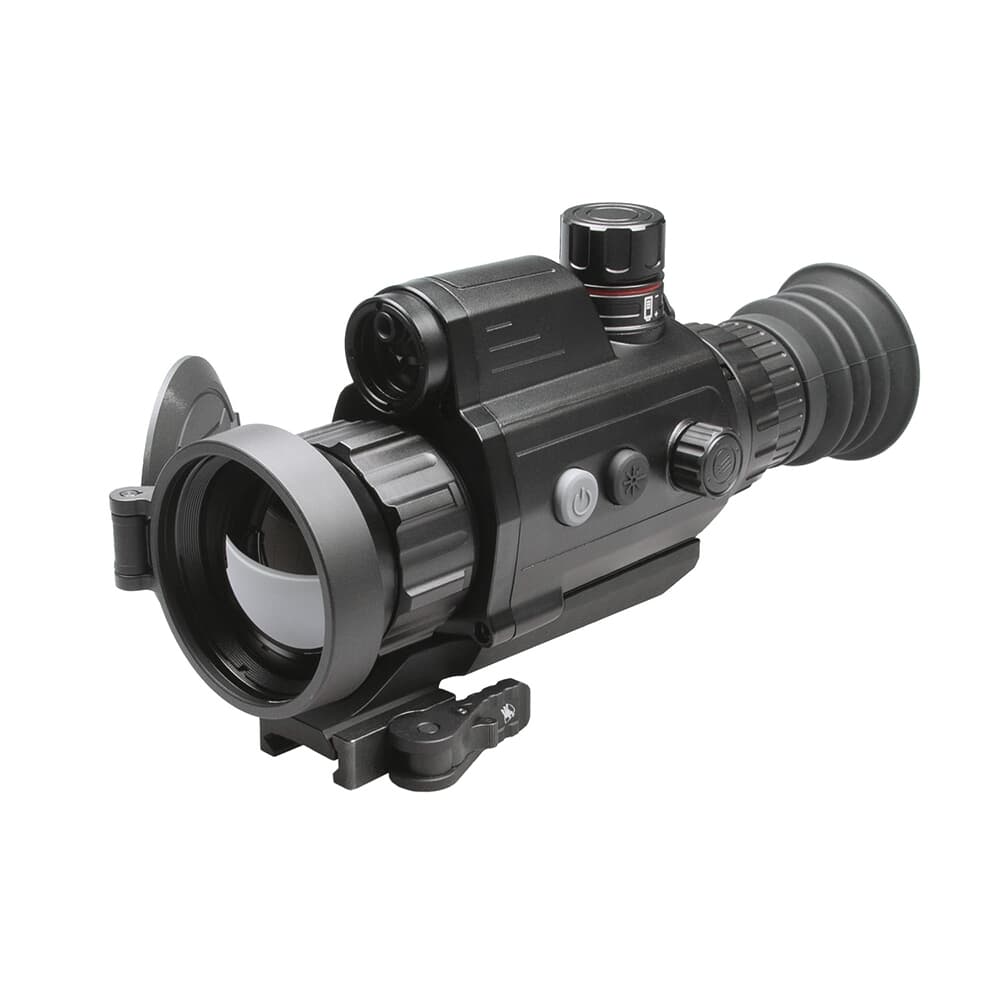
Thermal rifle scopes combine thermal imaging with an optic designed for use on a compatible rifle platform. When comparing these products, consider the following factors:
- Base magnification
- Field of view
- Objective lens specifications
- Display characteristics
- Refresh rate
- Power system
Compatibility also matters. Confirm that the optic’s mounting style aligns with your rifle platform and configuration before ordering.
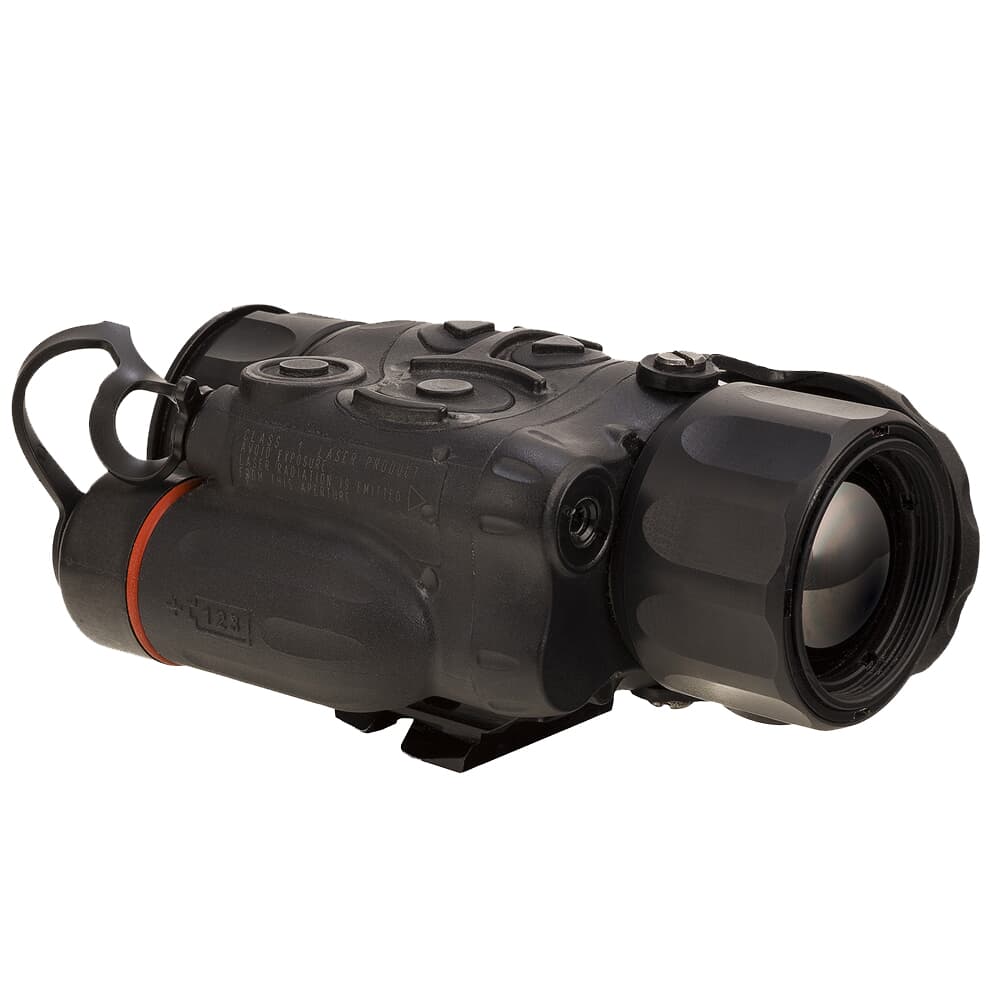
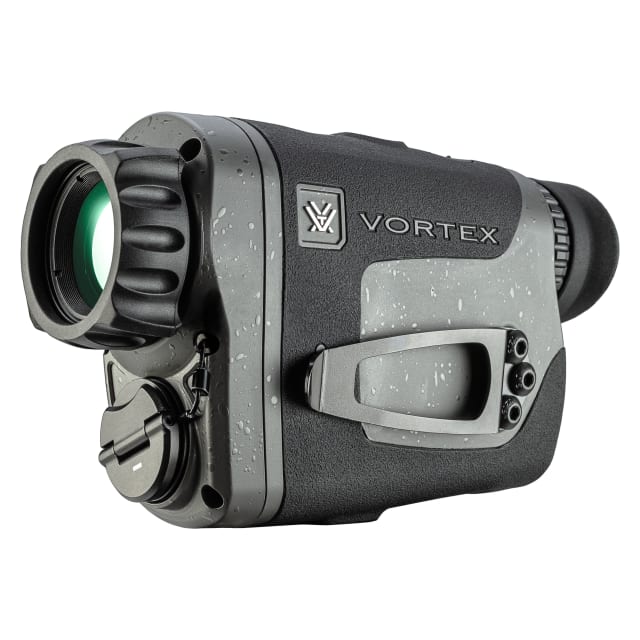
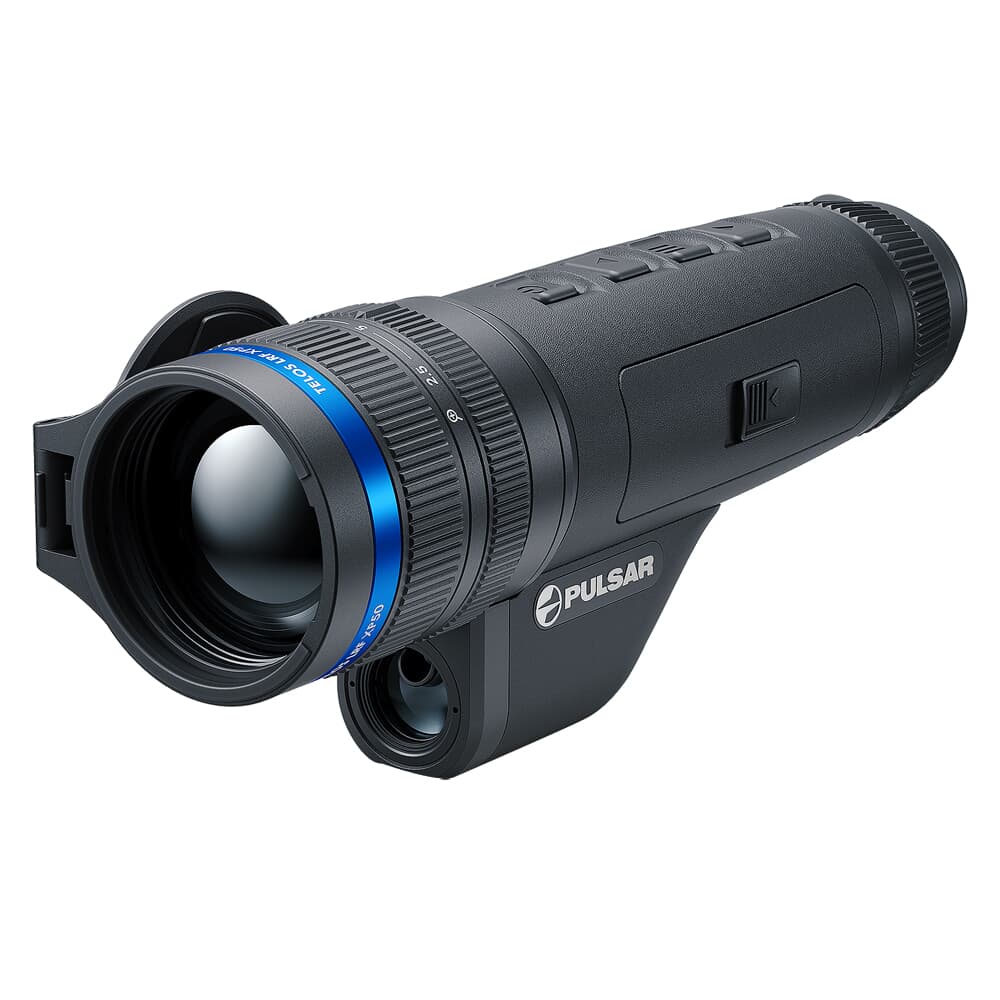
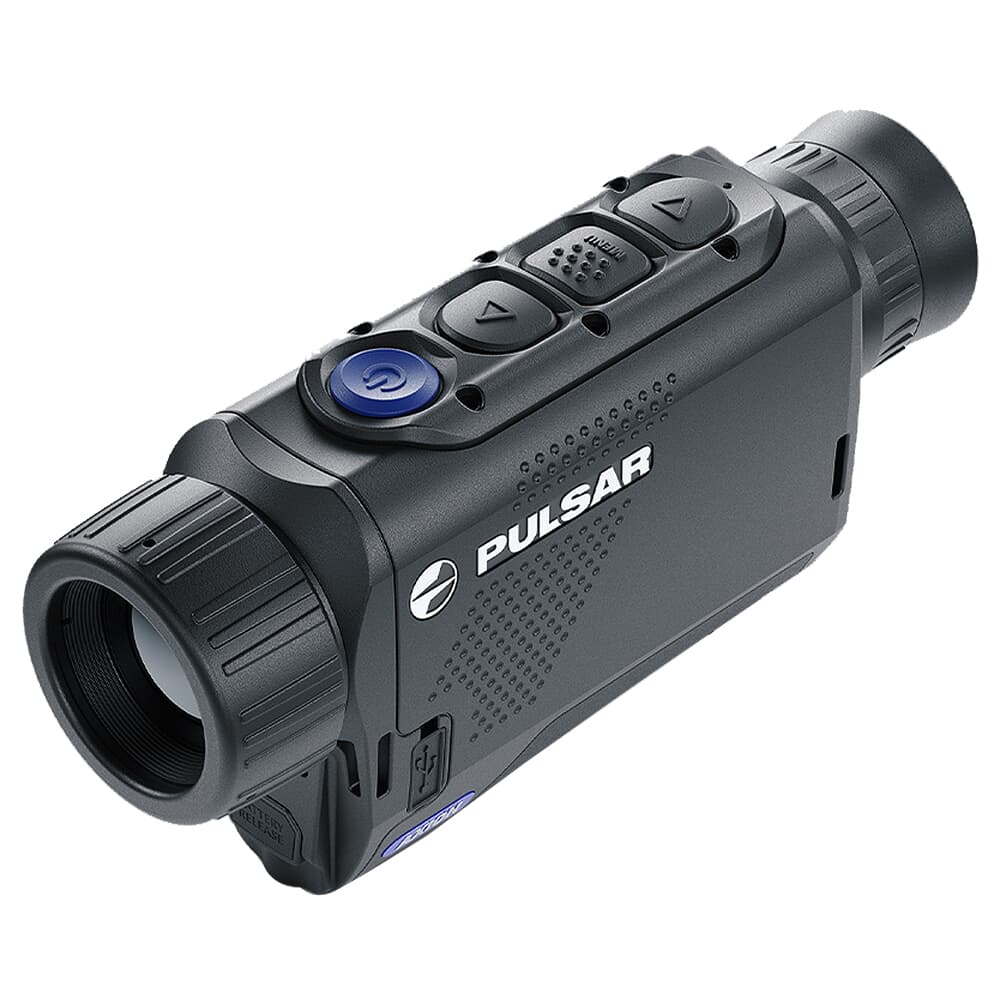
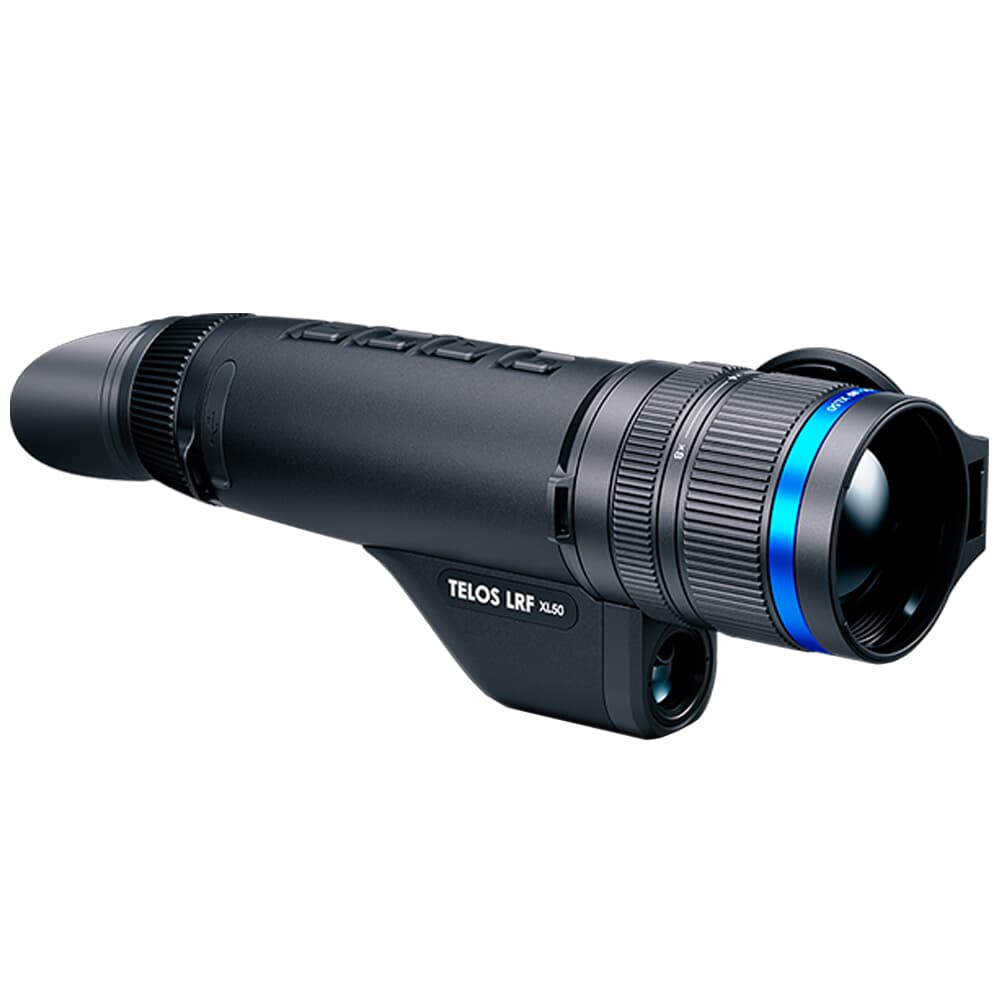
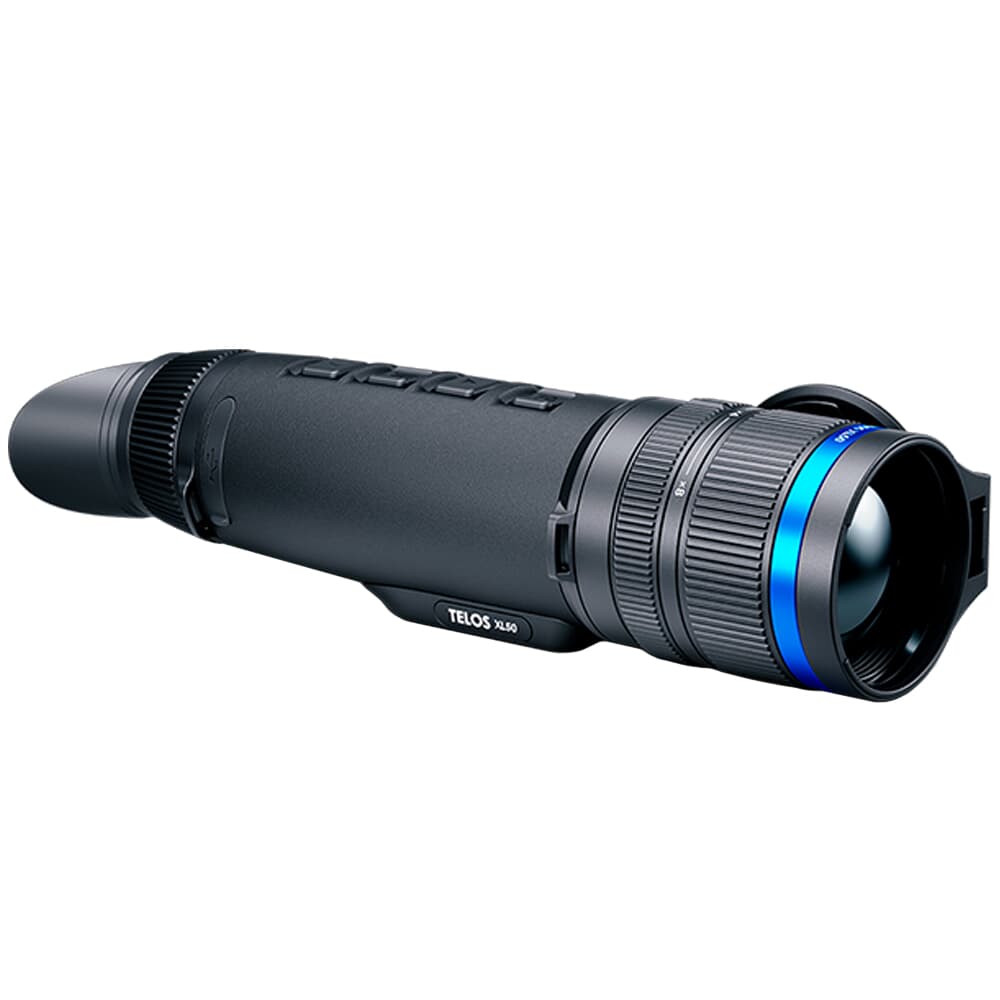
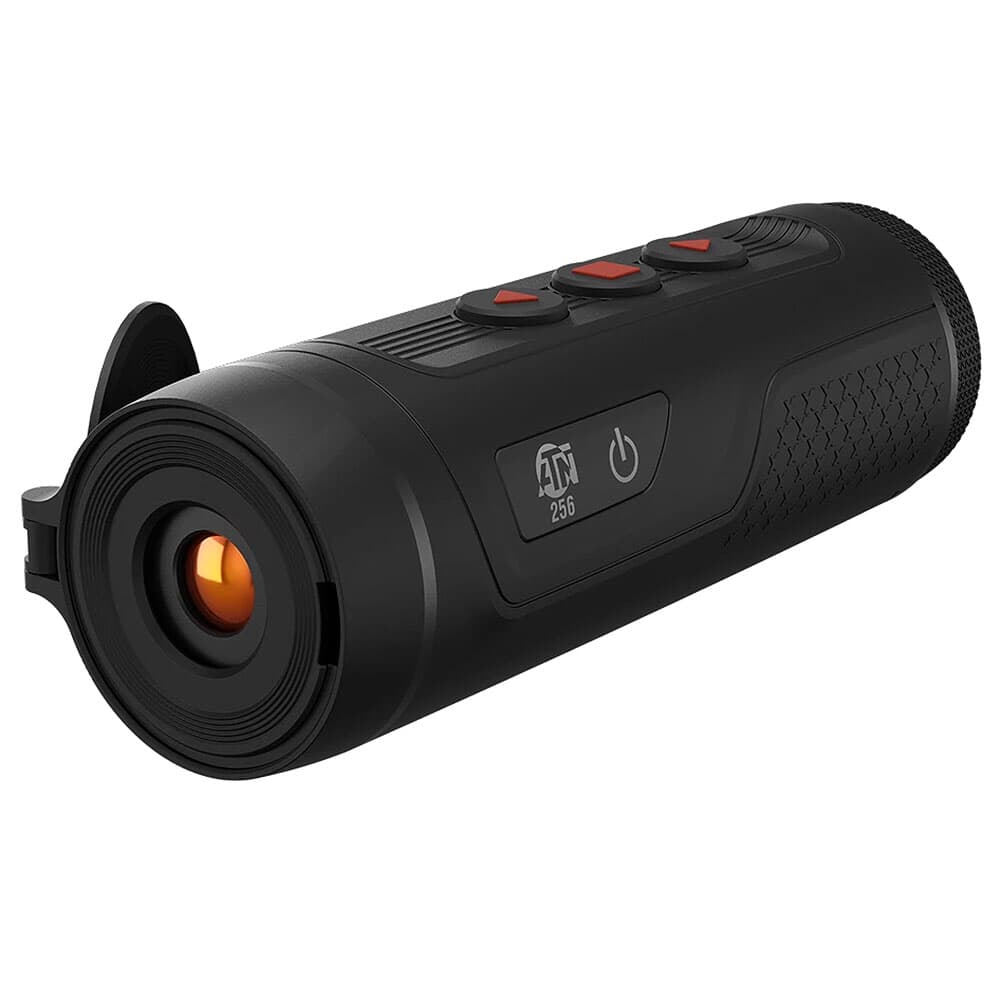
Thermal Monoculars
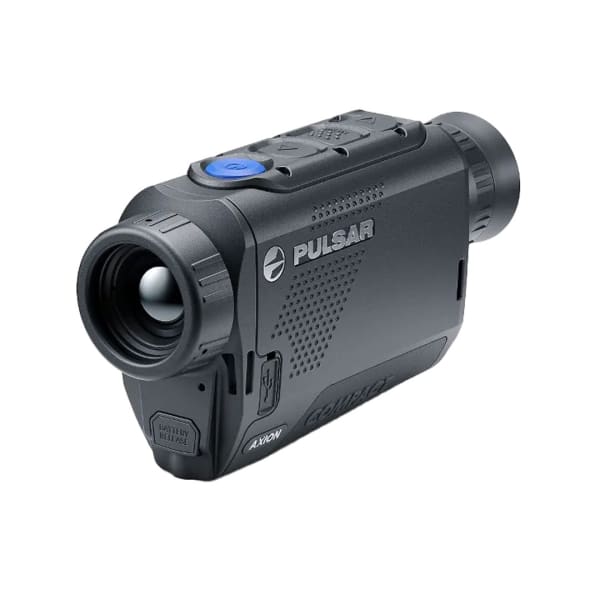
Thermal monoculars provide handheld viewing independently of a rifle-mounted optic. You may prefer this format for a compact field-viewing device. Compare monoculars by sensor resolution, pixel pitch, display, magnification, field of view, battery runtime, dimensions, weight, and other available features.
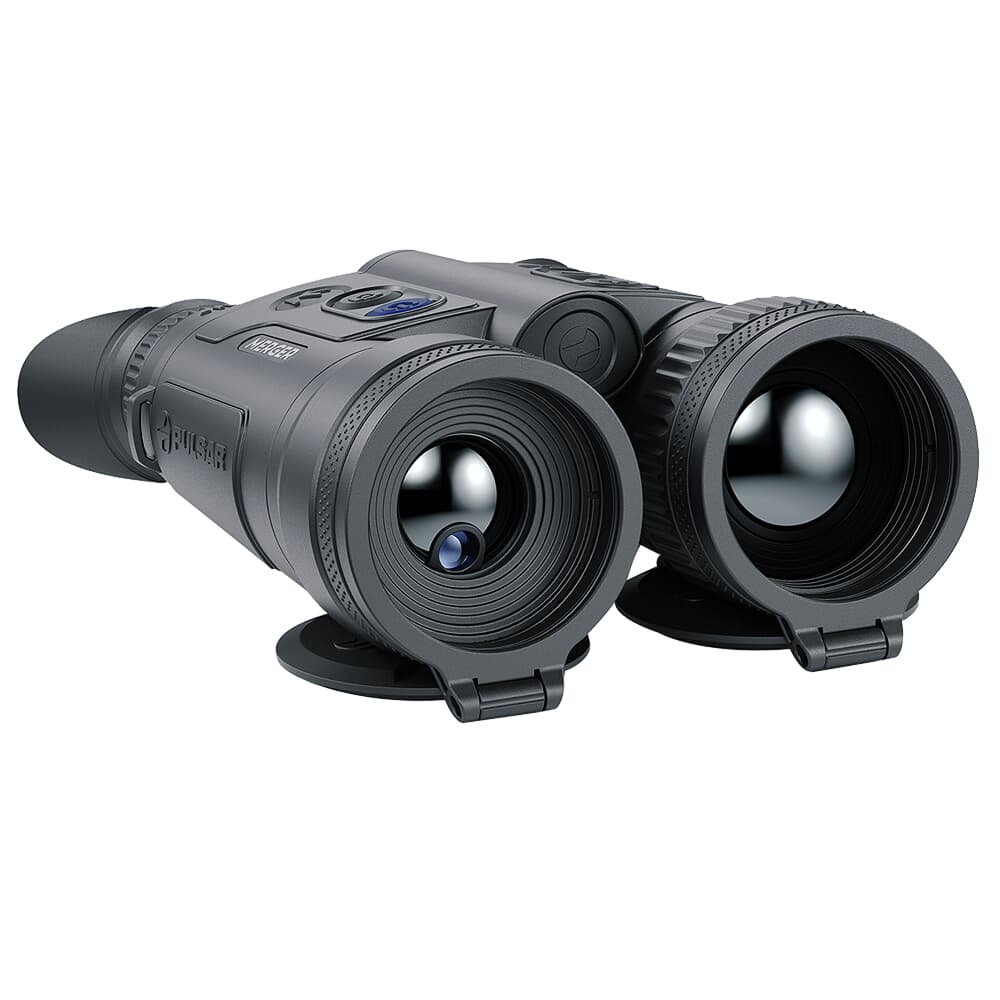
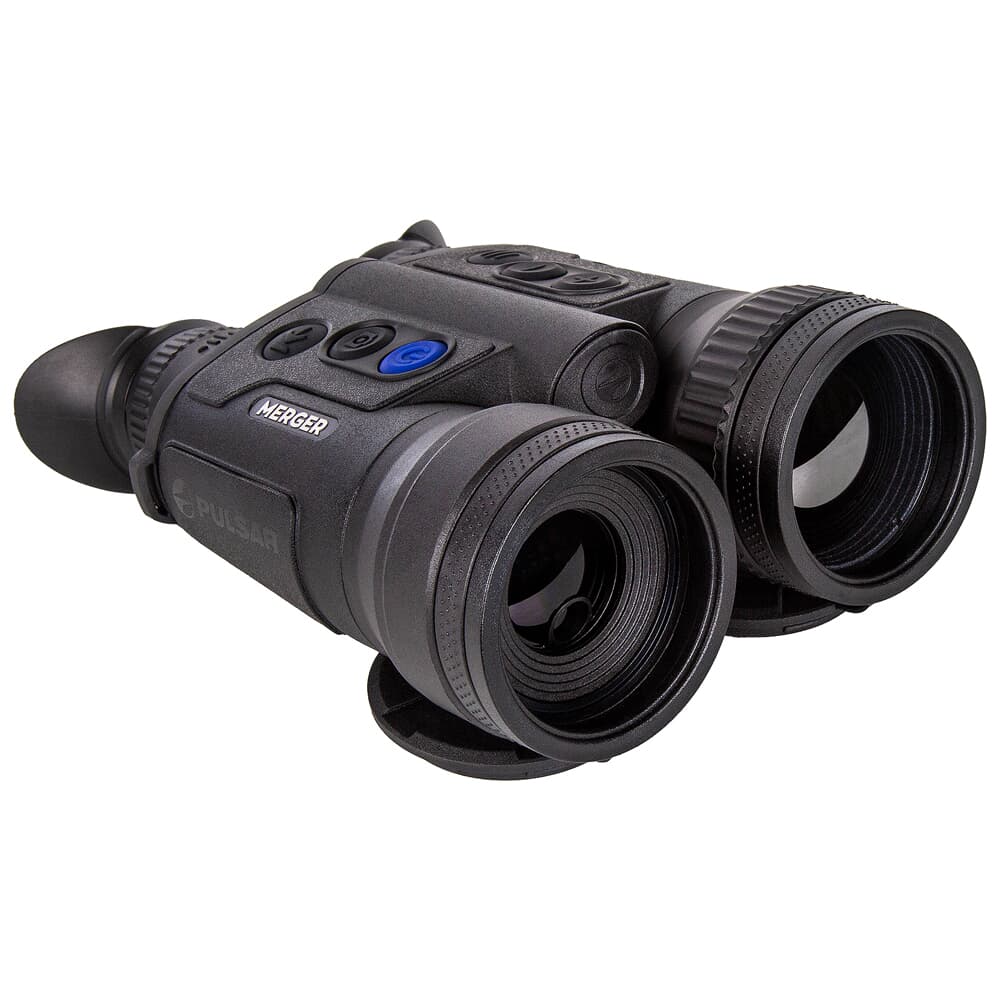
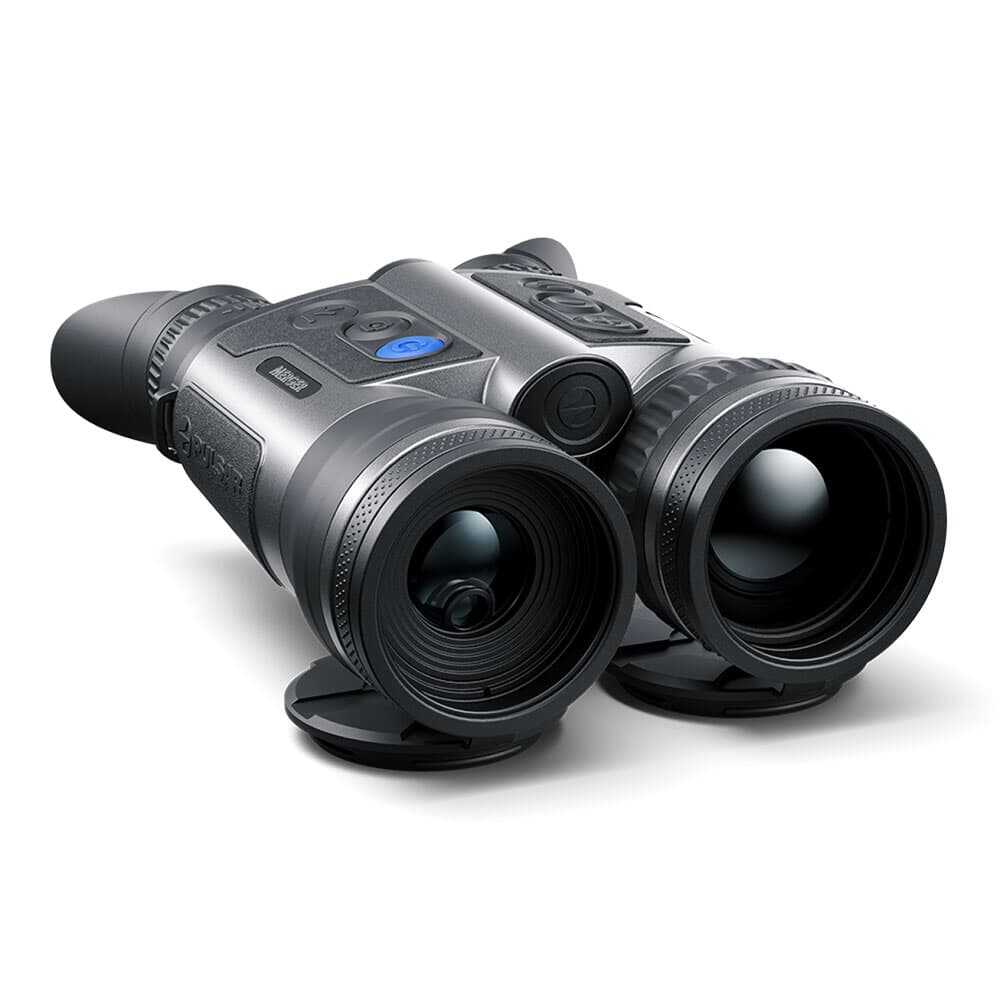
Thermal Binoculars
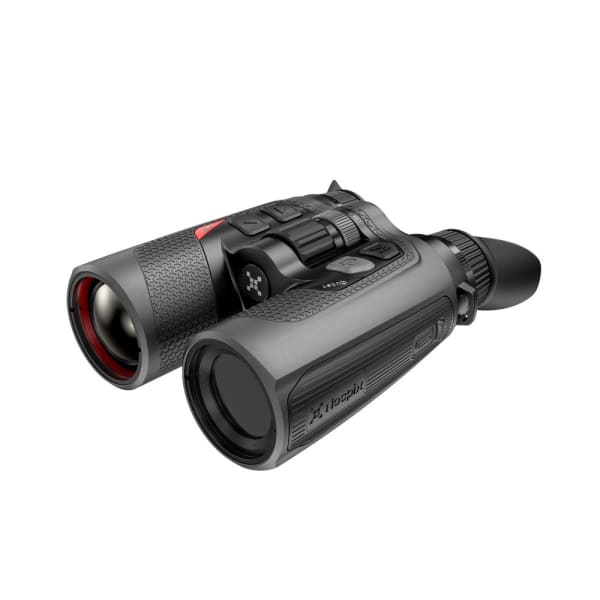
Thermal binoculars provide two-eyed viewing. Check the specific model’s dimensions and weight for carrying and extended viewing. Compare thermal binoculars using similar specifications as listed above.
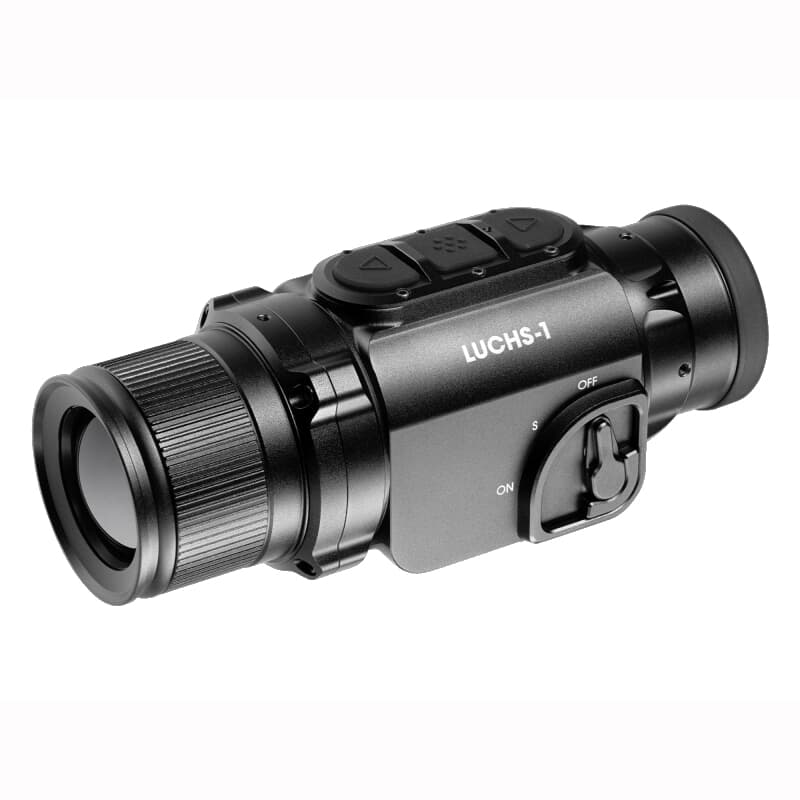
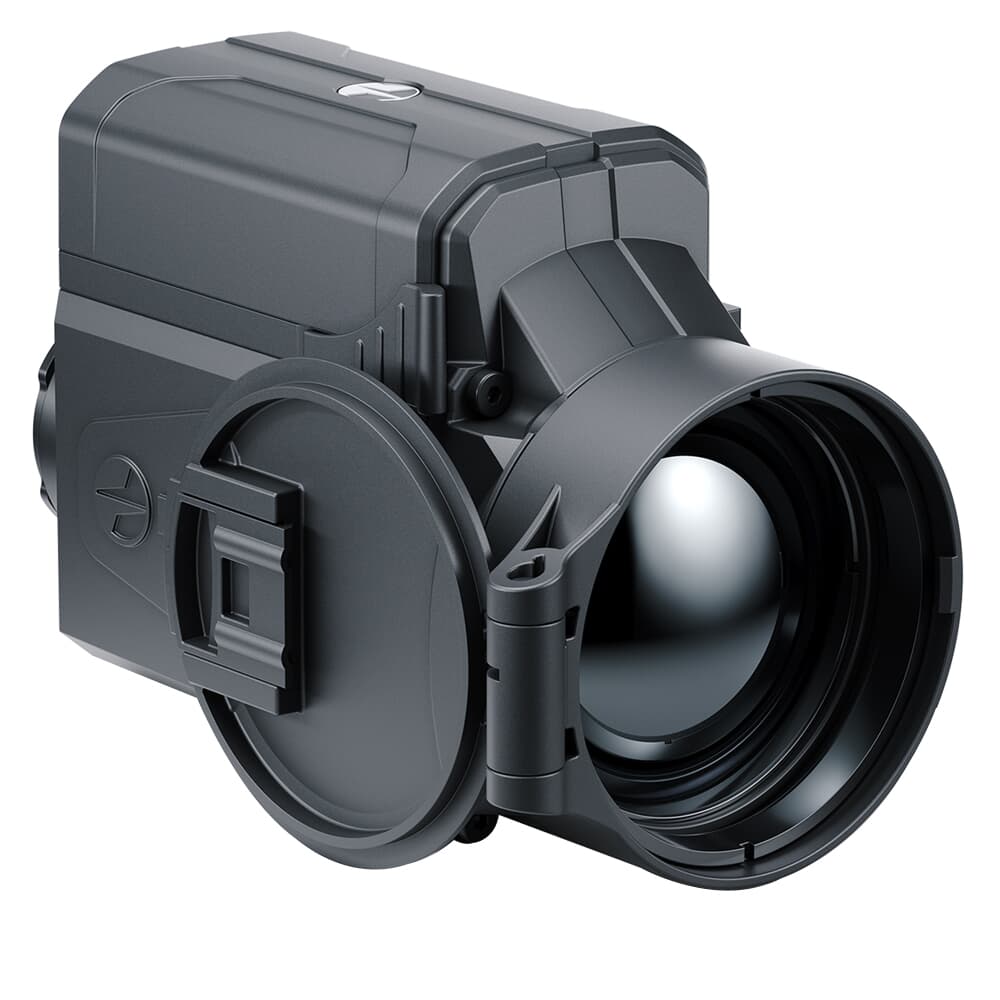
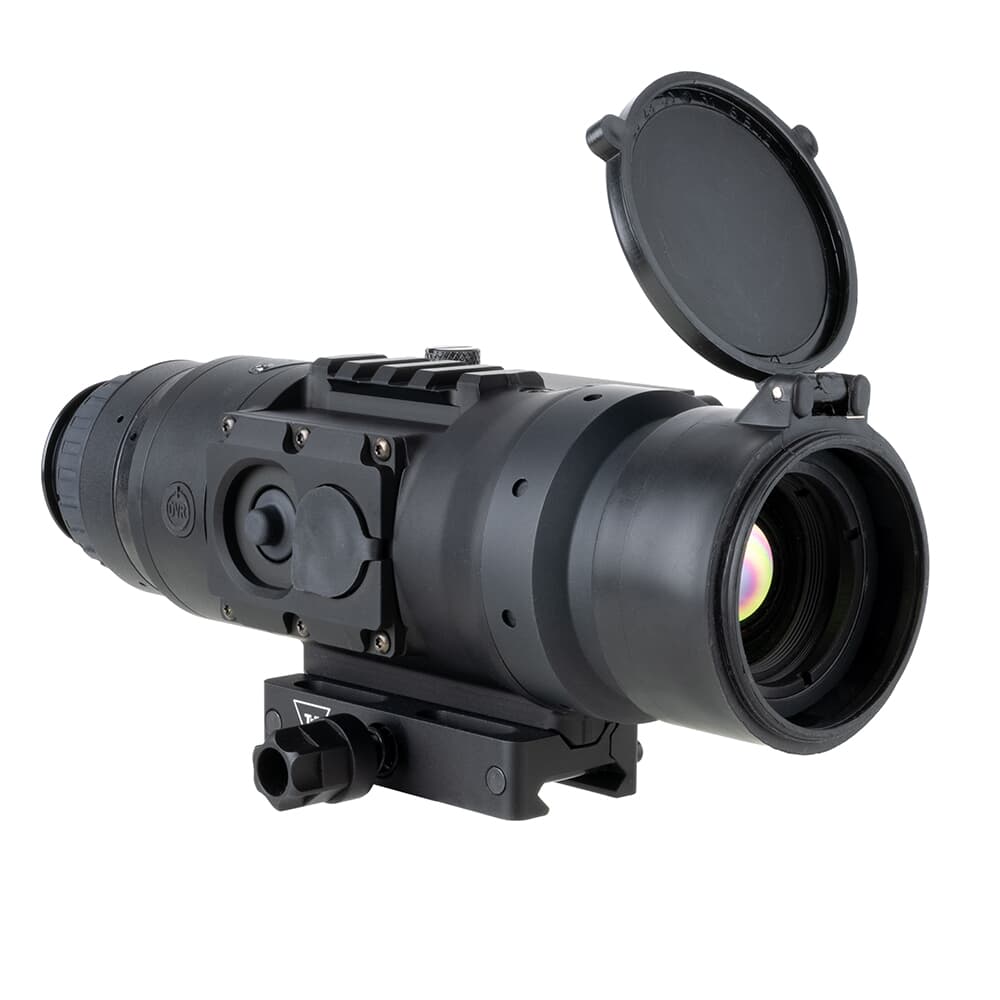
Thermal Clip-On Devices
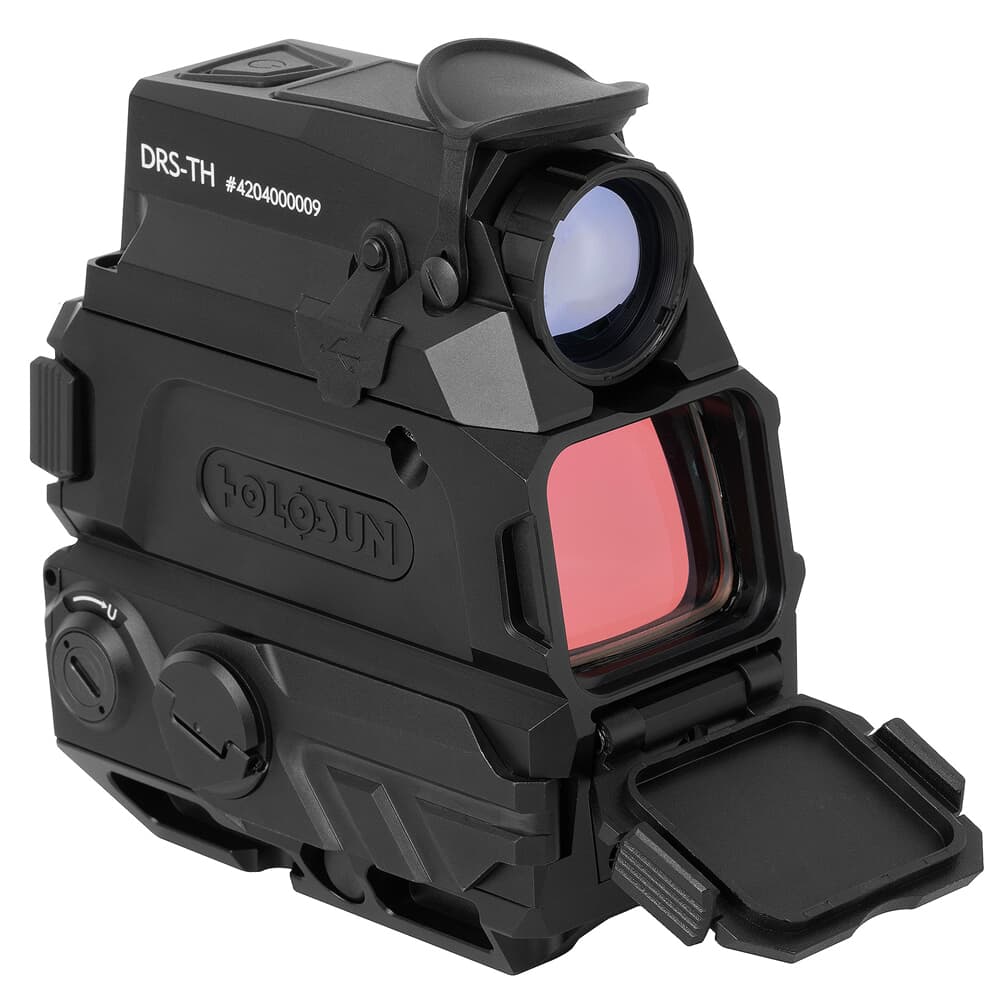
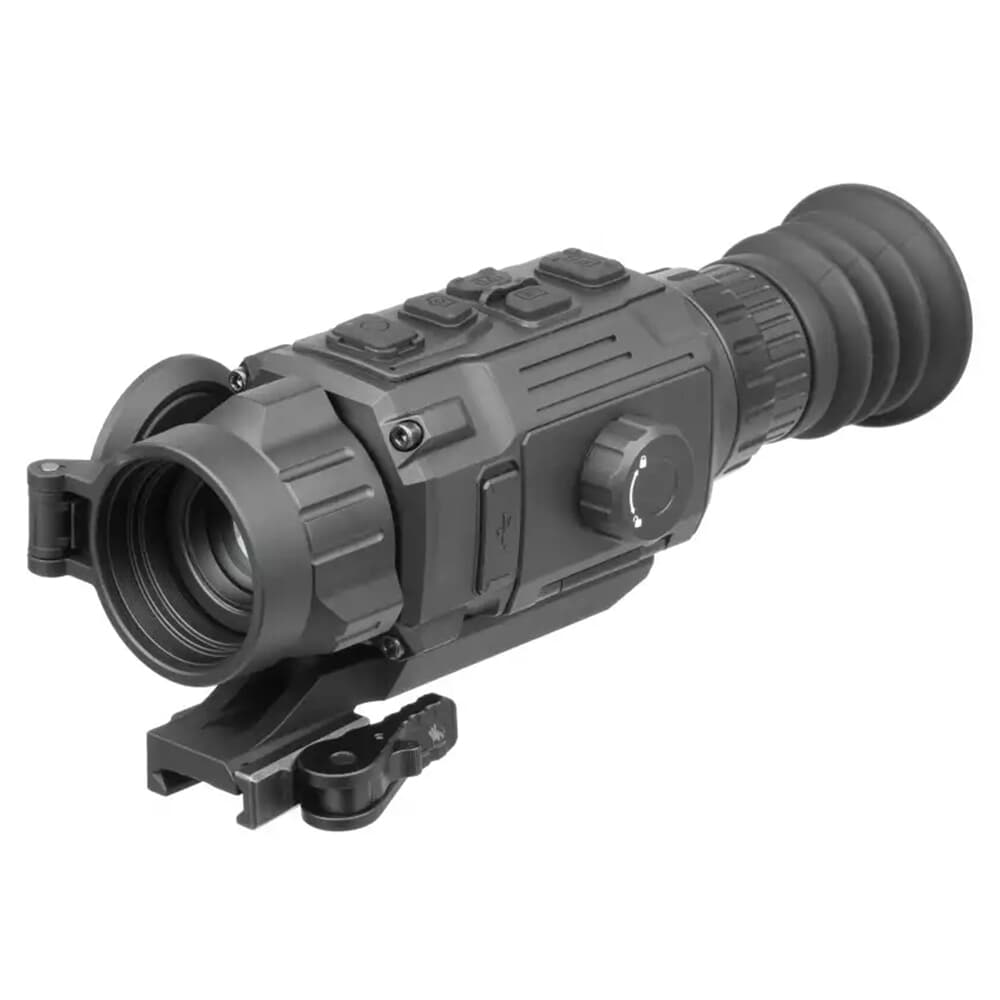
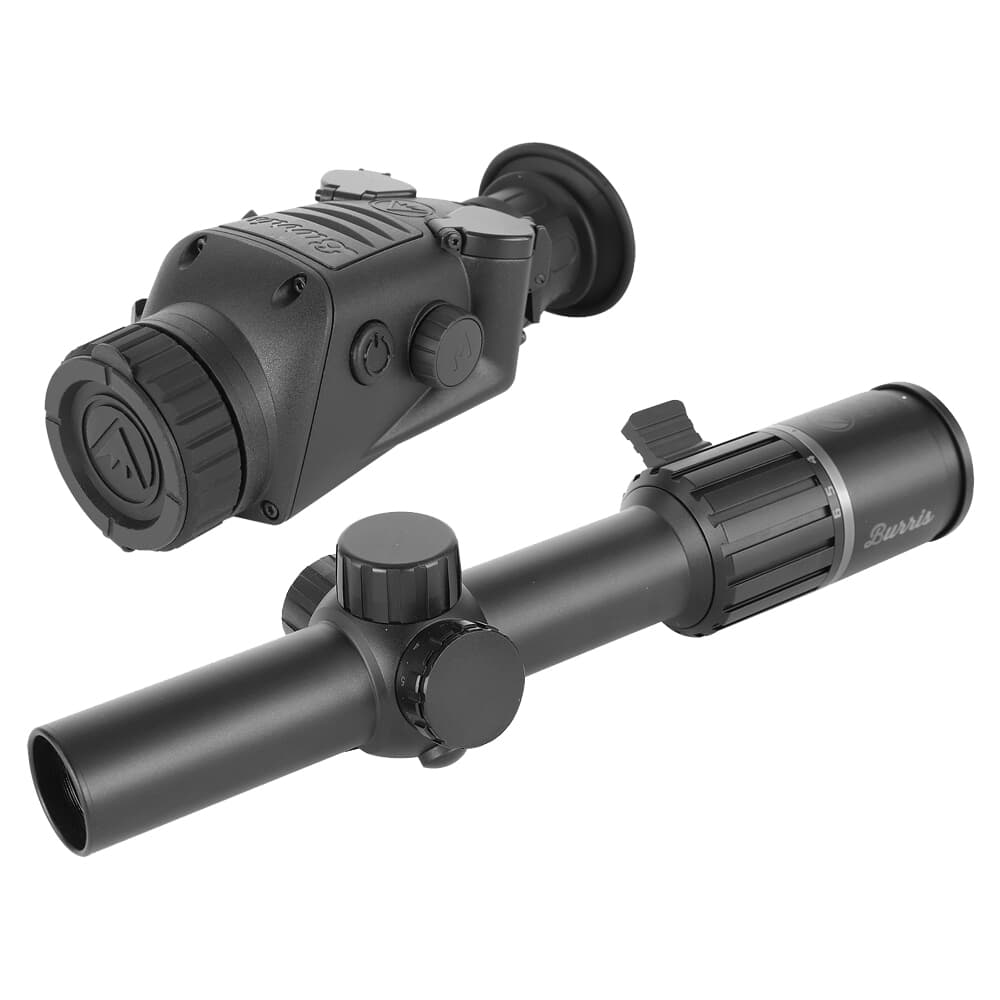
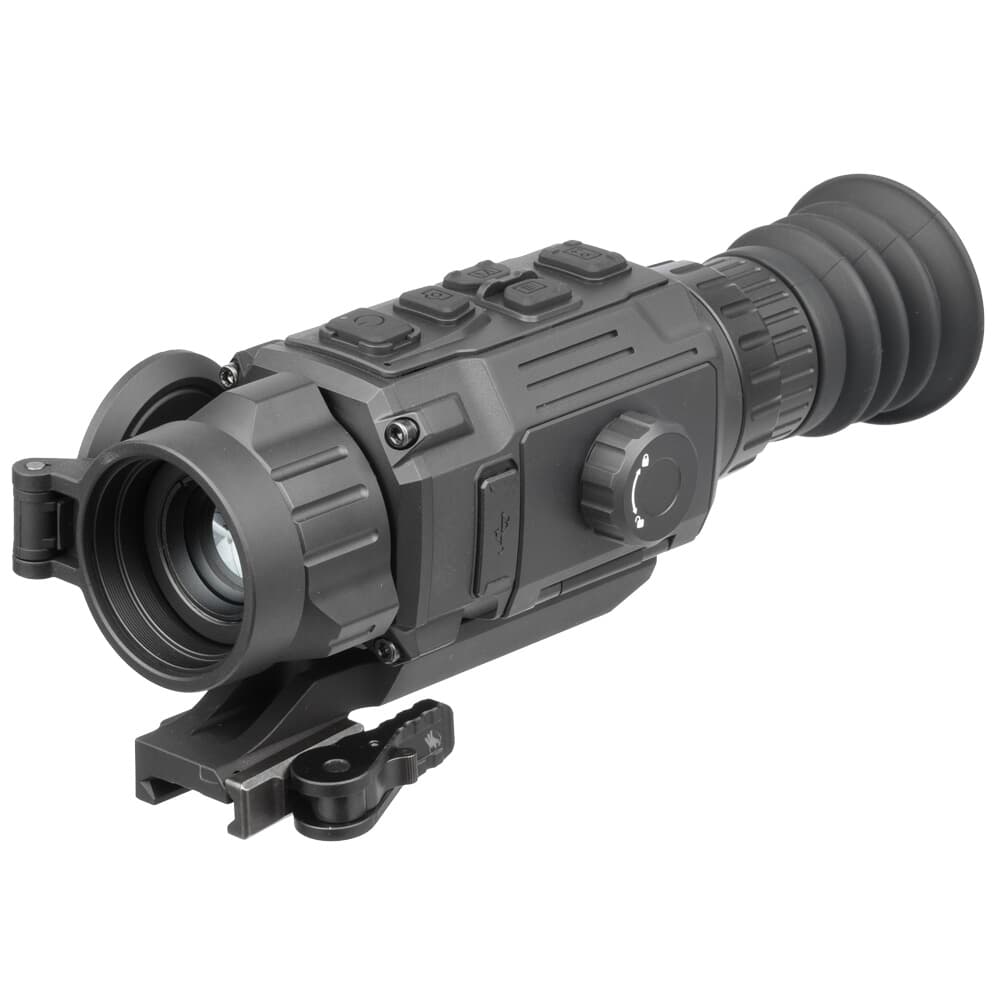
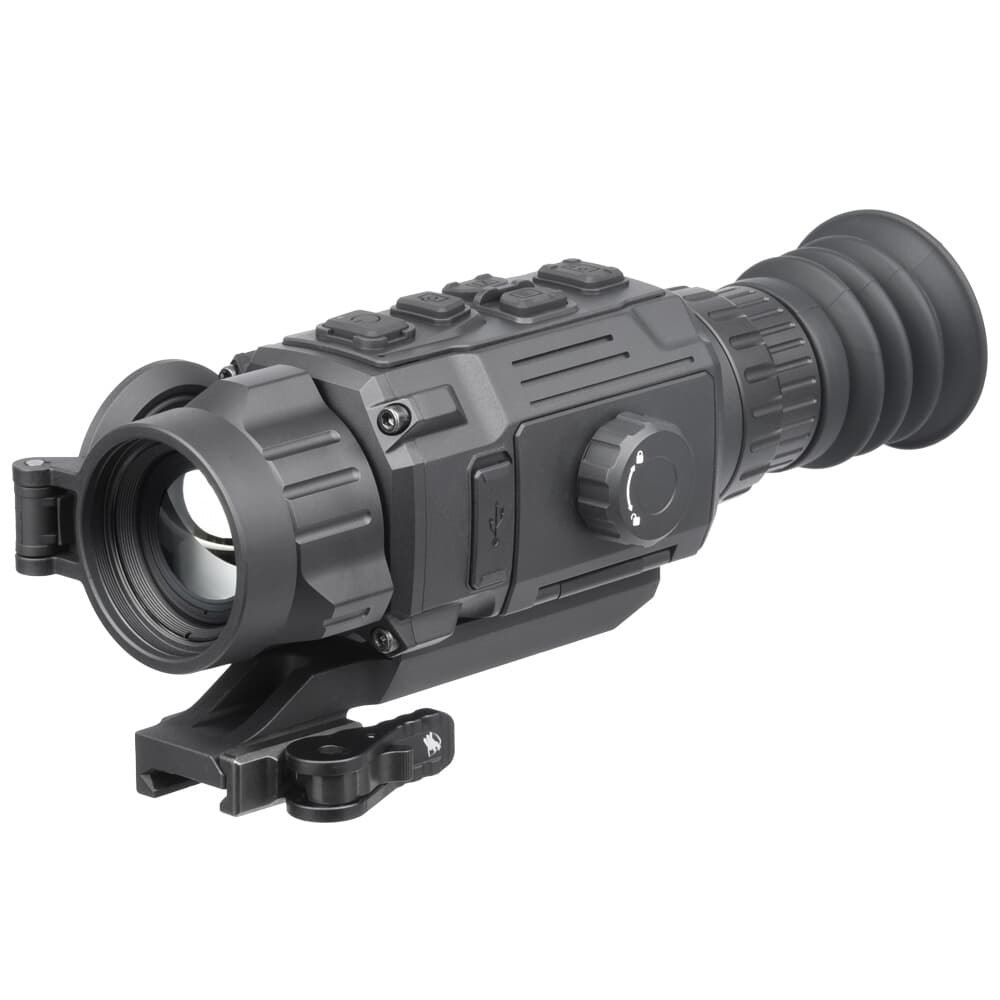
Thermal clip-on devices offer another format alongside standalone thermal rifle scopes. EuroOptic’s selection includes examples such as Liemke LUCHS, Pulsar Krypton 2, and AGM Rattler-C. These devices are intended for use with compatible daytime optics; check the exact device’s specifications, included components, and manufacturer-approved compatibility rather than assuming every clip-on works with every setup.
Accessories
EuroOptic also offers accessories, such as adapters, lenses, and Picatinny sets. You’ll also find quick-release adapters and thermal target packs.
Compare Thermal Specifications
Compare Pulsar thermal optics and AGM thermal optics by device type, then evaluate the exact models’ sensor, lens, display, and power specifications. Brand names alone don’t establish which configuration fits your requirements.
Sensor Resolution and Pixel Pitch
Sensor resolution describes the number of pixels in the thermal sensor. The higher the resolution, the easier it will be to discern details in the image. However, you shouldn’t use resolution as your primary selection criterion.
Pixel pitch describes the distance between pixels on the sensor. Compare both specs along with the other information provided by the manufacturer.
Display and Refresh Rate
The display determines how the image appears to you. Refresh rate also varies by model. It describes how frequently the thermal device updates the displayed image.
Base Magnification and Field of View
Thermal riflescopes have a base magnification. Compare the published field of view alongside base magnification, because sensor and lens design also affect how much of the scene each model displays. Field of view is especially important for hunting applications, as it describes how much of the scene the optic can display.
Objective Size
Compare the lens specifications with the device’s published field of view, base magnification, dimensions, and weight. A larger objective specification doesn’t automatically mean a wider view. Lens focal length and sensor dimensions both affect the image presented by the device.
Digital Zoom
Digital zoom enlarges the captured image; it doesn’t add detail the sensor didn’t record. Compare image detail at the magnification you expect to use rather than choosing a device only because it advertises a higher maximum zoom.
Battery and Runtime
Thermal scopes and optics consume a lot of power. You’ll notice that the power requirements and runtime can vary considerably among thermal products. Compare battery type, expected runtime, how long it takes to recharge, and whether the optic has replaceable or rechargeable batteries.
Keep in mind that runtime figures vary based on operating conditions and feature use. Treat published figures as estimates. Your battery may drain more quickly, especially if you are using the device in more demanding settings.
Recording, Rangefinding, and Additional Features
Some thermal products include recording and onboard storage. Some also include rangefinding capabilities. If you are interested in one or more of these features, you should carefully review product specs to identify the right fit for your use case.
Thermal Versus Night Vision
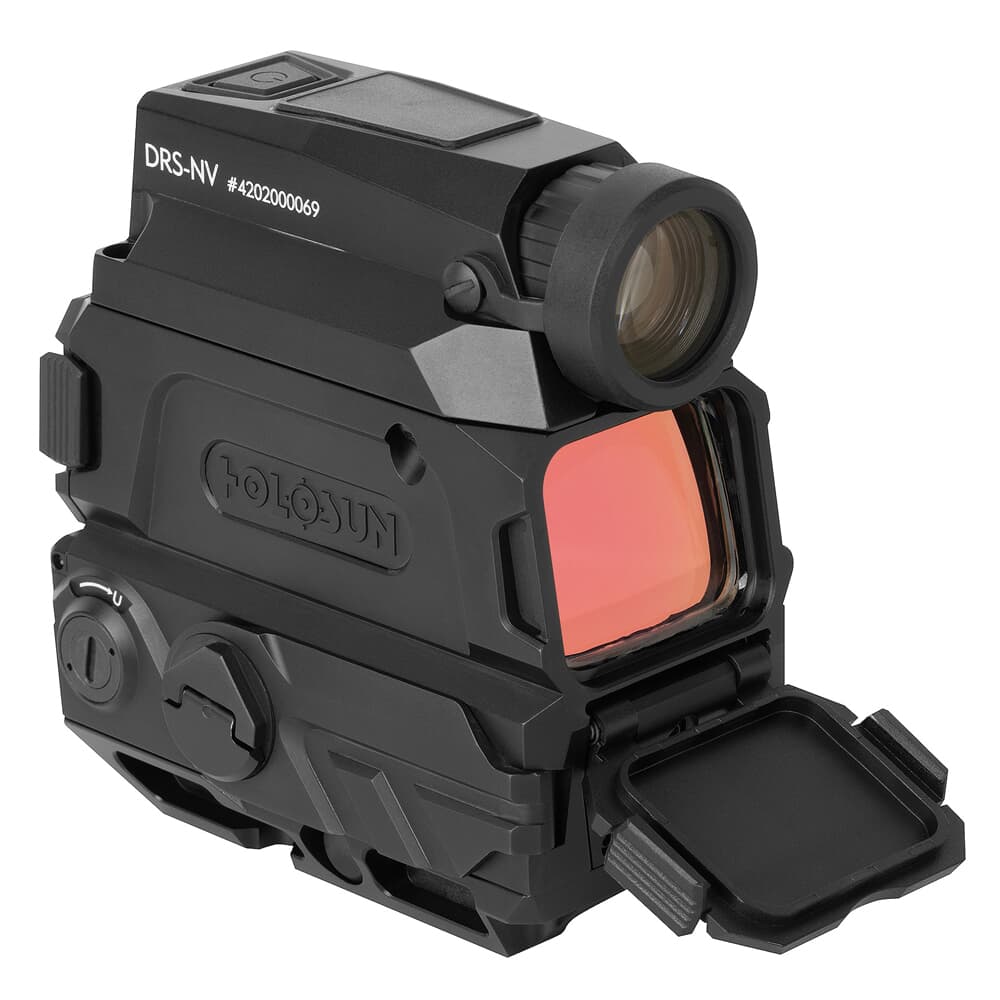
Thermal devices form images from differences in infrared radiation. Traditional image-intensified night vision amplifies available light, while digital day/night optics use electronic imaging and may support both daytime and nighttime viewing. Check the capabilities and approved lighting conditions of the specific model.
Compare night-vision optics for alternatives, or explore the broader thermal and night-vision optics selection. Don’t treat a general technology label or a quoted detection range as a guarantee of identification performance in every environment.
Contact the EuroOptic team for help comparing device types, specifications, and compatibility before ordering.